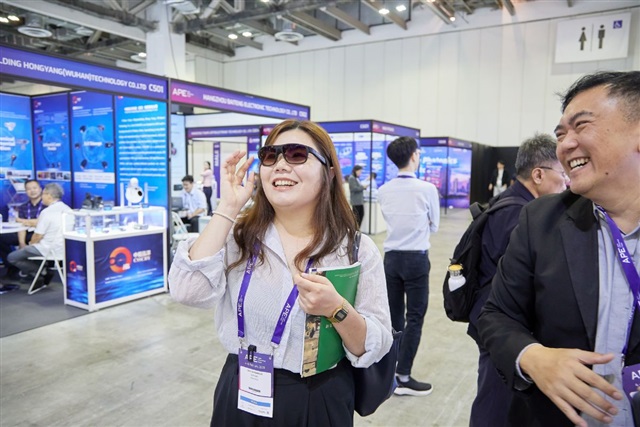
Smart glasses took a notable step forward at the third Asia Photonics Expo (APE 2026), where Singapore-based Opto Precision drew attention with new smart glass module solutions designed for the next wave of wearable tech. The company’s showcase focused on a timely mix of features: built-in artificial intelligence capabilities, practical optical benefits for everyday use, and a supply chain strategy closely aligned with Taiwan’s well-established manufacturing ecosystem.
At the center of Opto Precision’s presentation were smart glasses modules built to help brands and device makers speed up development while keeping performance and usability in focus. These modules are positioned as ready-to-integrate components that can support AI-driven functions, an area that continues to define the direction of the smart glasses market as consumers look for hands-free assistance, smarter notifications, and contextual tools that feel natural in daily life.
What made the exhibit especially relevant is the emphasis on real-world vision needs, including myopia. Nearsightedness remains one of the most common vision challenges worldwide, and Opto Precision’s approach suggests a growing trend in the wearable industry: moving beyond novelty features and leaning into practical optical solutions that people can benefit from every day. By combining AI features with modules that address common eyesight issues, the company is signaling that smart glasses can be more than a tech accessory—they can also serve as functional eyewear.
Opto Precision also spotlighted its connection to Taiwan’s supply chain, a point that matters as hardware companies navigate scaling, component sourcing, and production reliability. Taiwan is widely recognized for its depth in electronics manufacturing and precision components, and leveraging that network can be a key advantage for companies aiming to bring smart glasses products to market efficiently.
With AI-powered wearables gaining momentum, Opto Precision’s APE 2026 appearance underscores how the smart glasses category is evolving: stronger integration-ready modules, more attention to optical comfort and vision support, and a supply chain focus that can help move from concept to mass production.