Taiwan’s AI Supply Chain Surges as Semiconductor and Electronics Revenue Accelerates in May 2026
Taiwan’s semiconductor and electronics sector delivered another strong performance in May 2026, as listed companies across the island reported solid revenue growth driven by rising global demand for artificial intelligence infrastructure. The latest monthly figures show that AI-related suppliers are pulling further ahead, while companies tied more closely to traditional consumer electronics continue to face a slower recovery.
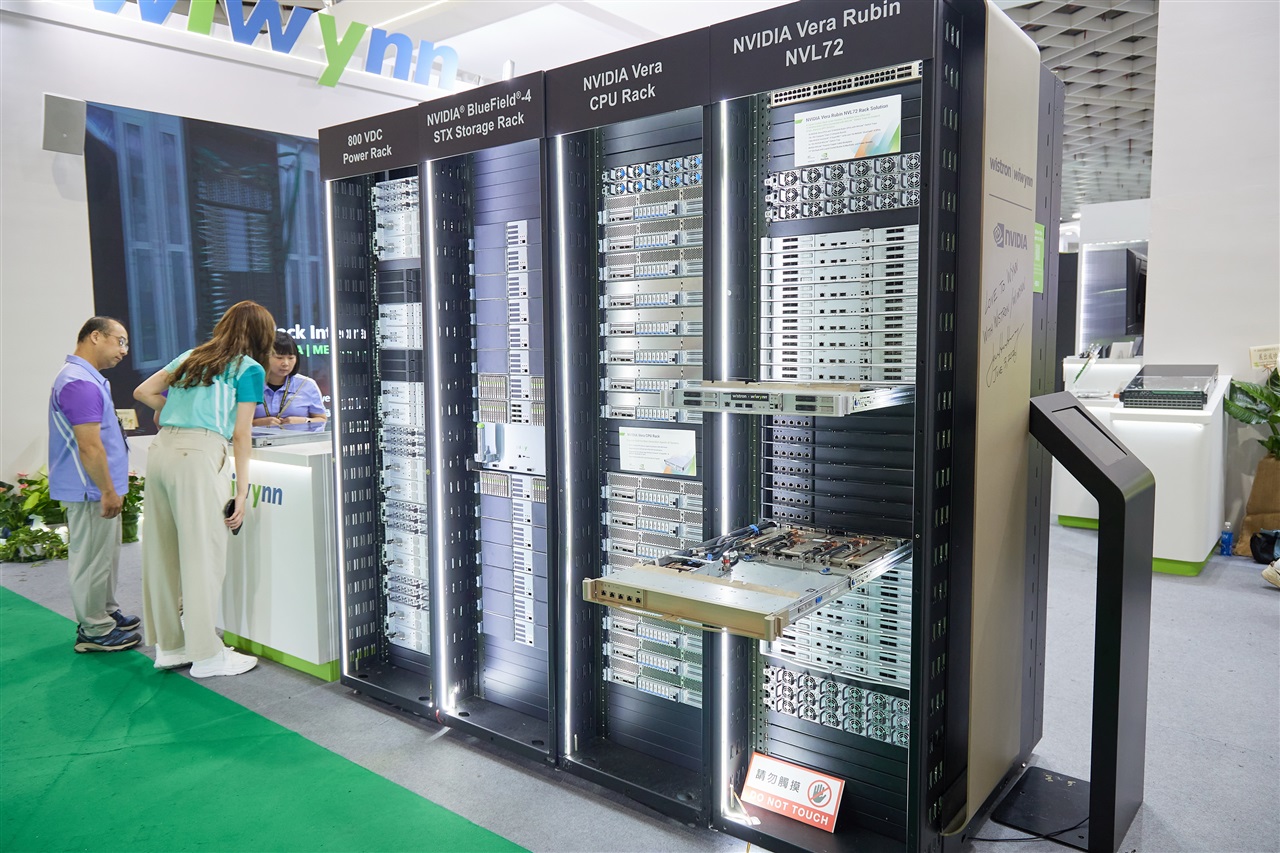
The biggest momentum came from businesses connected to AI servers, advanced chips, networking equipment, power systems, thermal solutions, and other key components used in data centers. As major technology companies continue expanding AI computing capacity, Taiwan’s supply chain remains one of the main beneficiaries.
This trend has created a clear divide in the market. Companies positioned around AI infrastructure are seeing rapid growth, in some cases posting triple-digit gains, while legacy hardware segments such as PCs, smartphones, and other consumer devices are growing at a more modest pace. The contrast highlights how artificial intelligence is reshaping the electronics industry and redirecting investment toward high-performance computing.
The first five months of 2026 suggest that AI demand is not a short-term spike. Instead, it appears to be a structural growth driver for Taiwan’s technology sector. Orders linked to AI servers and data center expansion have continued to support revenue across multiple parts of the supply chain, from chip packaging and testing to printed circuit boards, server assembly, cooling systems, connectors, and power management components.
Taiwan’s role in the global AI boom has become increasingly important because many of the world’s leading chip and hardware suppliers rely on its manufacturing ecosystem. The island’s companies provide the technical expertise, production capacity, and component integration needed to support the fast rollout of AI data centers.
At the same time, the uneven recovery in consumer electronics shows that not every part of the industry is benefiting equally. While AI infrastructure demand remains strong, household electronics and mobile device markets are still dealing with cautious consumer spending, longer upgrade cycles, and inventory adjustments in some product categories.
For investors and industry watchers, May’s revenue data reinforces a major theme for 2026: AI is becoming the primary growth engine for Taiwan’s technology sector. Companies with strong exposure to AI servers, cloud computing, and high-performance components are likely to remain in focus as global demand for computing power continues to rise.
If current trends continue, Taiwan’s AI supply chain could remain one of the strongest areas in the global semiconductor and electronics market throughout the year. The widening gap between AI-focused companies and traditional consumer electronics players also suggests that the next phase of growth will favor firms that can adapt quickly to the needs of data centers, machine learning workloads, and advanced computing infrastructure.