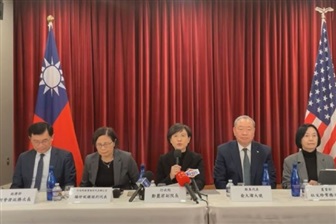
Taiwan and the United States have taken a major step toward deeper economic cooperation. On February 12, the two sides officially signed the Agreement on Reciprocal Trade (ART) in Washington, D.C., signaling a stronger push to expand bilateral trade, reduce barriers, and build more resilient supply chains at a time when global commerce is facing renewed uncertainty.
A key takeaway from the agreement is that tariff reductions on the US side for Taiwan are on the way, but they won’t happen instantly. The lower tariffs will take effect after the United States completes its domestic approval process and formally publishes the changes in the US Federal Register. In practical terms, that means businesses and exporters should watch for the official publication that confirms when the new rates start.
The agreement is widely viewed as a strategic move aimed at securing critical supply chains and reinforcing economic ties. Taiwan plays an outsized role in global manufacturing networks, and closer trade coordination with the United States can help steady the flow of essential goods, components, and industrial inputs. For companies that rely on cross-border sourcing—especially those sensitive to shipping disruptions, sudden policy shifts, or geopolitical risk—this type of trade framework can improve predictability and reduce costs over time.
For Taiwan-based exporters, the ART could open the door to a more competitive position in the US market once tariff cuts are implemented. For US importers and manufacturers, reduced tariffs can translate into more affordable inputs and a broader range of sourcing options, which is particularly important for industries that depend on reliable, high-quality supply.
While the signing marks an important milestone, the next phase is all about execution. The timeline hinges on the US completing its internal procedures, so stakeholders on both sides will be paying close attention to official updates and the exact scope of products covered by reduced tariffs.
As global trade continues to evolve, the Taiwan-US Agreement on Reciprocal Trade stands out as a clear attempt to strengthen economic cooperation, support long-term supply chain security, and create a pathway for smoother trade between two major partners.