Taiwan is set to become a far more attractive destination for American-made cars after a new trade deal removed a major cost barrier for buyers.
On February 13, Taiwan’s Executive Yuan confirmed that Taiwan and the United States finalized an Agreement on Reciprocal Trade (ART). The headline change for drivers and the auto industry is clear: tariffs on US-manufactured passenger cars will be reduced to zero. That’s a significant shift for a market where import duties can heavily influence final sticker prices, and it signals a stronger push toward smoother cross-border trade between the two economies.
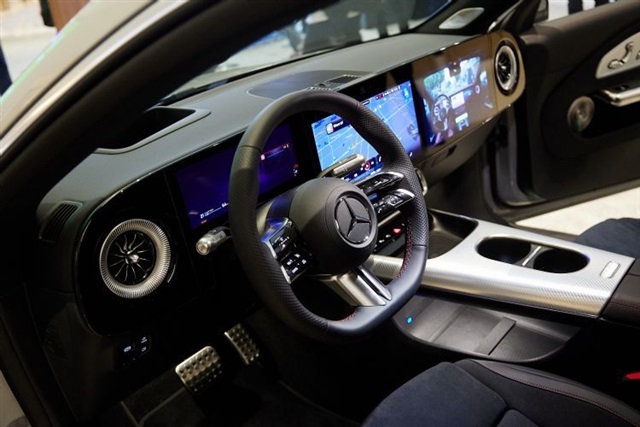
The impact is already showing up at dealerships. Mercedes-Benz Taiwan has announced immediate price reductions on five models built in the United States, aligning its pricing strategy with the newly lowered tariff environment. While the company hasn’t positioned the move as a limited-time promotion, the message is straightforward—cars coming out of US factories should now land in Taiwan at lower prices, and brands are beginning to reflect that in what customers pay.
For Taiwanese consumers, a zero-tariff structure could mean better value across a range of US-produced vehicles, especially in segments where American plants supply global markets. For the broader market, the ART may also intensify competition among imported brands, encouraging more aggressive pricing, improved trim offerings, and faster model rollouts to win buyers.
With tariffs now removed for US-manufactured passenger cars, shoppers can expect more announcements from automakers and local distributors as they reassess pricing, inventory plans, and future import strategies in Taiwan’s evolving automotive landscape.