Taiwan’s investment push into the United States is accelerating faster than many expected, and the numbers are turning heads.
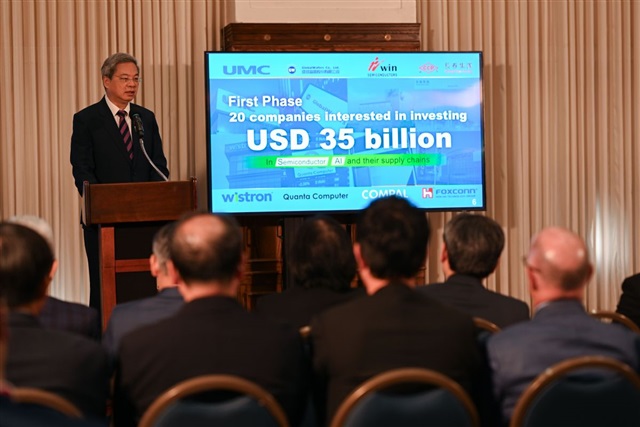
On May 6, Taiwan’s Ministry of Economic Affairs (MOEA) said that around 20 Taiwanese companies are preparing to invest a combined US$35 billion in the US. Notably, the figure excludes TSMC, meaning this is a separate wave of corporate expansion coming from other major players across Taiwan’s business landscape.
The announcement follows a major shift in the trade environment after US President Donald Trump introduced reciprocal tariffs in April 2025. Those measures appear to have changed how many companies think about production sites, supply chains, and long-term access to the US market. While tariffs are designed to reshape trade flows, they often trigger a second effect: companies look for ways to reduce uncertainty by moving more operations closer to customers.
That’s where Taiwan’s current strategy comes in. By increasing investment in US facilities and operations, Taiwanese firms can potentially reduce exposure to tariff risks, strengthen relationships with US partners, and improve delivery times for American customers. For industries tied to manufacturing, components, advanced technology, and industrial supply chains, having a stronger US footprint can also make bidding on contracts and meeting local sourcing expectations easier.
The MOEA’s message also suggests Taiwan’s investment total is outpacing earlier forecasts, indicating the scale and speed of these plans may be larger than initially assumed. With roughly 20 companies involved, this is not a single-company headline but a broader trend that could reshape cross-Pacific business ties in the coming years.
As trade policy continues to evolve, Taiwan’s US investment story is likely to remain a key topic for anyone tracking global manufacturing shifts, supply chain realignment, and the economic relationship between Taiwan and the United States.