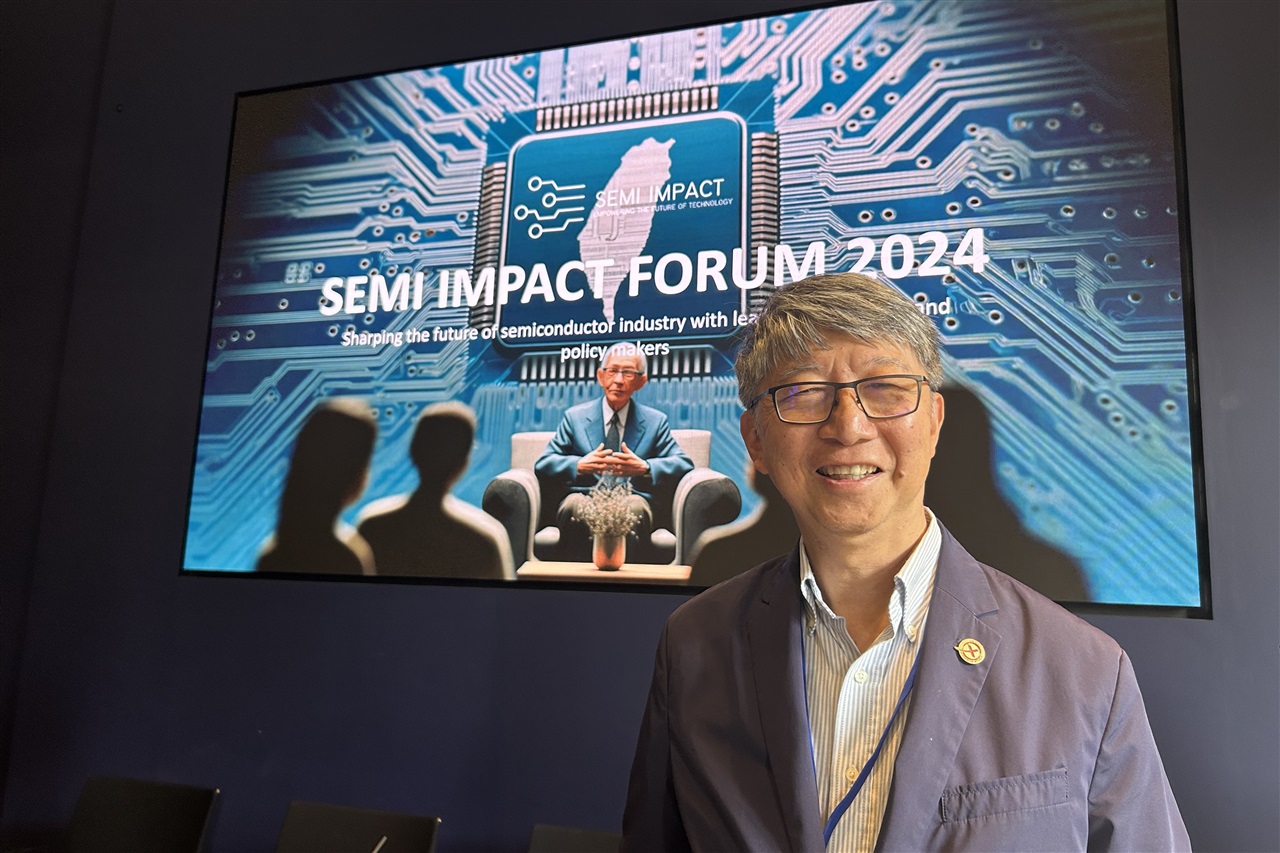
Konrad Young, well-known for his former role in semiconductor research and development at Taiwan’s leading semiconductor manufacturing company, TSMC, has recently spotlighted the potential for collaborative efforts between Taiwan and the United Kingdom in the field of quantum computing.
During a trip to the UK, Young spoke with DIGITIMES Asia, sharing his vision for the two nations to combine their respective strengths and work jointly in advancing quantum technology. He identified quantum computing as an area ripe for collaborative innovation.
Quantum computing represents a significant leap from traditional computing, harnessing the principles of quantum mechanics to process information at speeds unfathomable with today’s computers. The revolutionary potential of quantum computing spans various fields, including cryptography, drug discovery, financial modeling, and climate science.
The partnership between Taiwan, with its robust semiconductor industry, and the UK, known for its research prowess and technological advancements, could create a synergistic effect in pushing the boundaries of quantum computing. By integrating Taiwan’s manufacturing capabilities with the UK’s research infrastructure, both countries could accelerate the development of quantum technologies, carve a niche in the quantum race, and achieve substantial strides in this groundbreaking field.
Practical steps for such a collaboration could involve joint research programs, exchange of experts, sharing of intellectual resources, and co-funding of quantum computing startups and initiatives.
In the broader scope, staying up-to-date with the latest developments and trends in quantum computing is crucial for any stakeholder in the technology sector. The possibilities of quantum computing could reshape industries, and understanding its trajectory will be critical for forward-thinking businesses and researchers.
Those interested in the confluence of technology sectors, especially in regions where collaborative dynamics are emerging, can look to this potential Taiwan-UK partnership as an example. It reflects the increasing globalization of technological innovation and the strategic partnerships that nations are forging to maintain competitiveness and leadership in the future of tech.
Incorporating insights from such pioneering thoughts into one’s work or research can provide a competitive edge. For example, academicians and industry leaders could advocate for policies that support international collaborations, while businesses could explore partnerships with entities in countries leading in complementary aspects of technology.
This potential collaboration also serves as a reminder of the benefits of global cooperation in tackling complex and resource-intensive endeavors like quantum computing. By combining resources and expertise from different corners of the world, the pace of innovation can accelerate, leading to technological breakthroughs that might otherwise take decades to achieve.