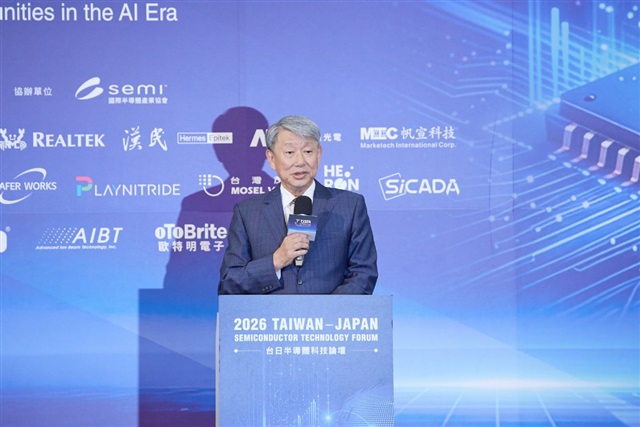
Taiwan and Japan are entering a new phase of semiconductor cooperation, one that reaches far beyond traditional supply-chain partnerships. According to former Taiwan Minister of Economic Affairs Kuo Jyh-huei, the relationship between the two technology powerhouses is evolving into a deeper alliance focused on joint innovation, advanced research, and long-term talent development.
For years, Taiwan and Japan have played complementary roles in the global semiconductor industry. Taiwan is widely recognized for its leadership in chip manufacturing and foundry services, while Japan has strong expertise in semiconductor materials, precision equipment, components, and engineering. Together, the two economies hold key strengths that are essential to the future of advanced chips.
Kuo’s comments highlight a growing shift in how both sides view semiconductor collaboration. Instead of simply connecting suppliers, manufacturers, and customers, Taiwan and Japan are expected to build a broader technology ecosystem. This could include deeper cooperation in research and development, next-generation chip technologies, production processes, and specialized workforce training.
Talent development is becoming especially important as global demand for semiconductors continues to rise. Advanced chipmaking requires highly skilled engineers, researchers, technicians, and materials experts. By working together, Taiwan and Japan can strengthen education, training programs, and industry-academic cooperation to prepare the next generation of semiconductor professionals.
The partnership also comes at a time when countries around the world are working to secure more resilient chip supply chains. Semiconductors are essential for artificial intelligence, electric vehicles, smartphones, data centers, defense systems, industrial automation, and consumer electronics. Stronger Taiwan-Japan cooperation could help improve supply stability while accelerating innovation in critical technologies.
Rather than relying only on existing industrial roles, both sides appear to be moving toward a more strategic model. Taiwan’s manufacturing strength and Japan’s deep foundation in materials and equipment could create powerful opportunities for joint breakthroughs. This combination may help both economies stay competitive as the semiconductor industry moves toward more complex and advanced technologies.
Kuo’s remarks suggest that the future of Taiwan-Japan semiconductor ties will be built not only on business cooperation, but also on shared technological ambitions. By combining resources, expertise, and talent, Taiwan and Japan could play an even larger role in shaping the next era of the global chip industry.