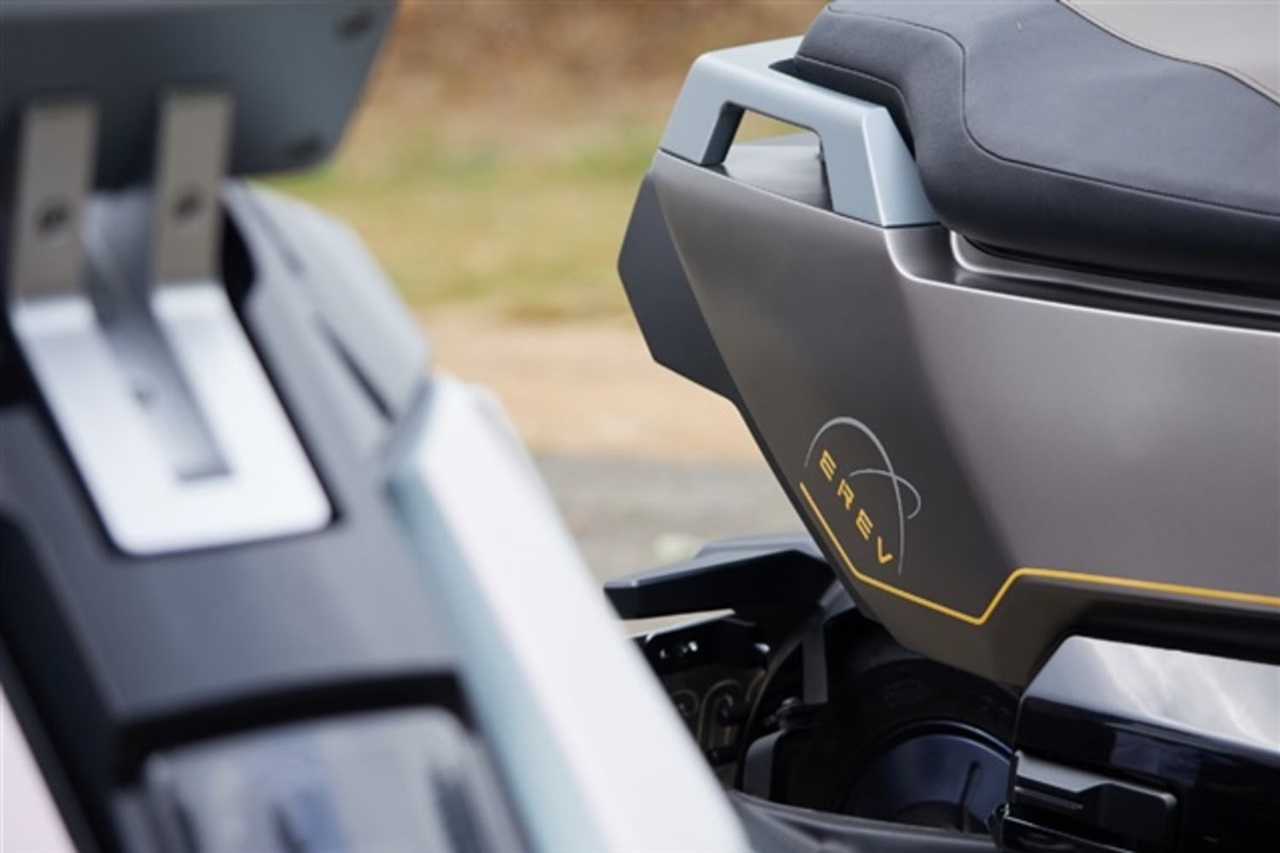
Hybrid scooters, not pure electric, may drive Taiwan’s next two-wheeler wave
Taiwan’s electric scooter boom has hit a tricky stretch. Local makers are grappling with domestic supply chain constraints, lingering questions about battery reliability, shifting government subsidy policies, and cautious consumer sentiment. At the center of all these challenges is one stubborn variable: battery cost.
Why battery costs are the chokepoint
Batteries shape everything from sticker price and range to maintenance, resale value, and consumer trust. When packs are costly, manufacturers face higher build prices and tighter margins. Riders worry about long-term durability, replacement expenses, and the real total cost of ownership. Even policy support loses punch if battery prices remain elevated or volatile.
The subsidy puzzle and buyer confidence
Incentives can jump-start adoption, but uncertainty around subsidy size, duration, and eligibility can cause buyers to hold off. Consumers want predictable savings and clear support for the technology they’re betting on. Without that clarity, many sit on the fence, especially when reliability questions linger and battery costs keep the math tight.
Why hybrids could be the pragmatic bridge
Hybrid scooters—whether mild hybrid, assist-based, or range-extended—use smaller battery packs than pure electric models. That single design shift can ease multiple pain points at once:
– Smaller batteries can lower upfront prices and reduce exposure to raw material spikes.
– Reduced reliance on large packs can lessen supply chain strain and improve production flexibility.
– Familiar refueling eliminates range anxiety while still cutting fuel use and emissions.
– Shorter charging needs—or none for certain hybrid styles—help riders who lack convenient home or workplace charging.
A better fit for local manufacturing reality
By leaning on established combustion components while adding electric assist, hybrid platforms can be quicker to scale with existing tooling and supplier networks. They also create a runway for domestic battery and electronics suppliers to grow capacity and quality step by step, rather than all at once for large-pack, long-range EVs.
What riders get in the near term
For everyday commuters, hybrids promise fewer compromises. You get improved efficiency and quieter starts, with the peace of mind that comes from instant refueling for longer trips. Smaller batteries can also mean lighter vehicles, easier handling, and potentially lower maintenance related to high-capacity packs.
What still needs to improve
Hybrids are not a silver bullet. They still rely on batteries and electronics that must meet high reliability standards. Emissions regulations will keep tightening. Urban planners continue to push for cleaner, quieter streets. Over time, pure electric scooters will likely benefit from better batteries, maturing supply chains, and clearer policy frameworks. But right now, a hybrid transition could relieve pressure points that are stalling broader adoption.
Policy moves that could unlock the next surge
– Stable, multi-year incentives that reward real-world efficiency and durability
– Support for local battery testing, safety standards, and warranty frameworks that boost trust
– Targeted funding for smaller battery packs and hybrid drivetrains to reduce raw material risk
– Programs that encourage recycling and second-life use, lowering lifecycle costs and concerns
The road ahead
Taiwan’s scooter market is pragmatic and performance-driven. With battery costs shaping price, reliability, and confidence, hybrid scooters offer a practical way forward—bridging today’s limits while preserving momentum toward cleaner mobility. As costs come down and supply chains mature, pure electric models can retake center stage. Until then, hybrids may be the catalyst that powers Taiwan’s next scooter wave.