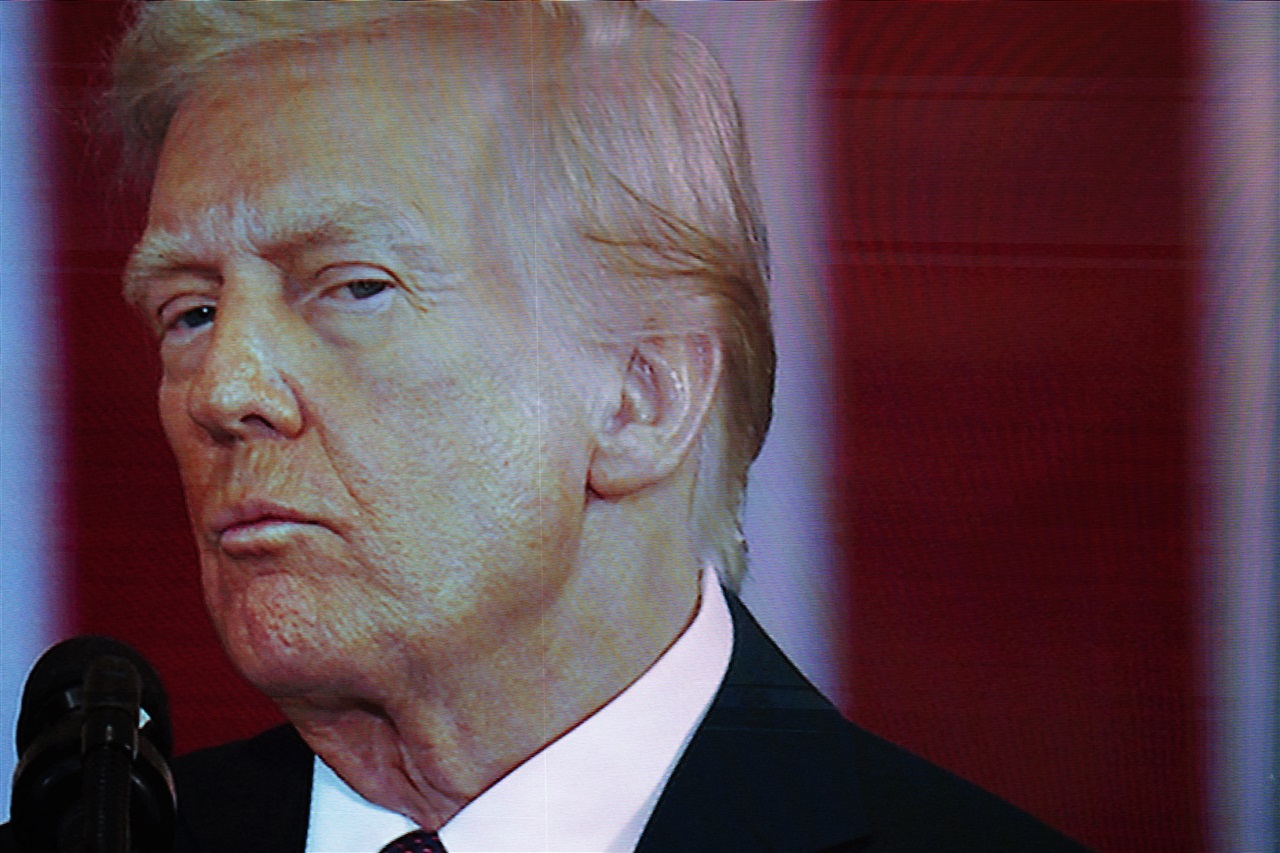
In a bold move reminiscent of a high-stakes chess game, US President Donald Trump has unleashed a series of tariffs that are reverberating throughout the global economy. The 25% tariffs on imports from neighboring Canada and Mexico aim to reshape trade dynamics but have sparked intense debates and forced companies worldwide to reassess their supply chain strategies.
The impact of these tariffs is akin to a strategic economic barrage, challenging businesses to navigate the complexities of international trade under this new regime. With the US-Mexico-Canada Agreement (USMCA) hanging in a state of uncertainty, stakeholders are left contemplating the future of North American trade relations.
This aggressive approach by the Trump administration signifies not just a policy measure but a paradigm shift in how global commerce is conducted. The tariffs serve as both a statement and a test—gauging the resilience and adaptability of supply chains that have become accustomed to decades of relative stability and growth.
Industries are now compelled to rethink their sourcing strategies, production locations, and distribution networks, striving to mitigate the financial impacts of these import taxes. As the international community watches closely, the long-term effects of this economic recalibration on global markets remain to be seen, setting the stage for both challenge and opportunity.
In an interconnected world where the flutter of a butterfly’s wings can cause a storm halfway across the globe, Trump’s trade tactics are proving to be a formidable force, reshaping economies beyond borders. How companies adapt to these changes will likely define the next chapter of international trade.