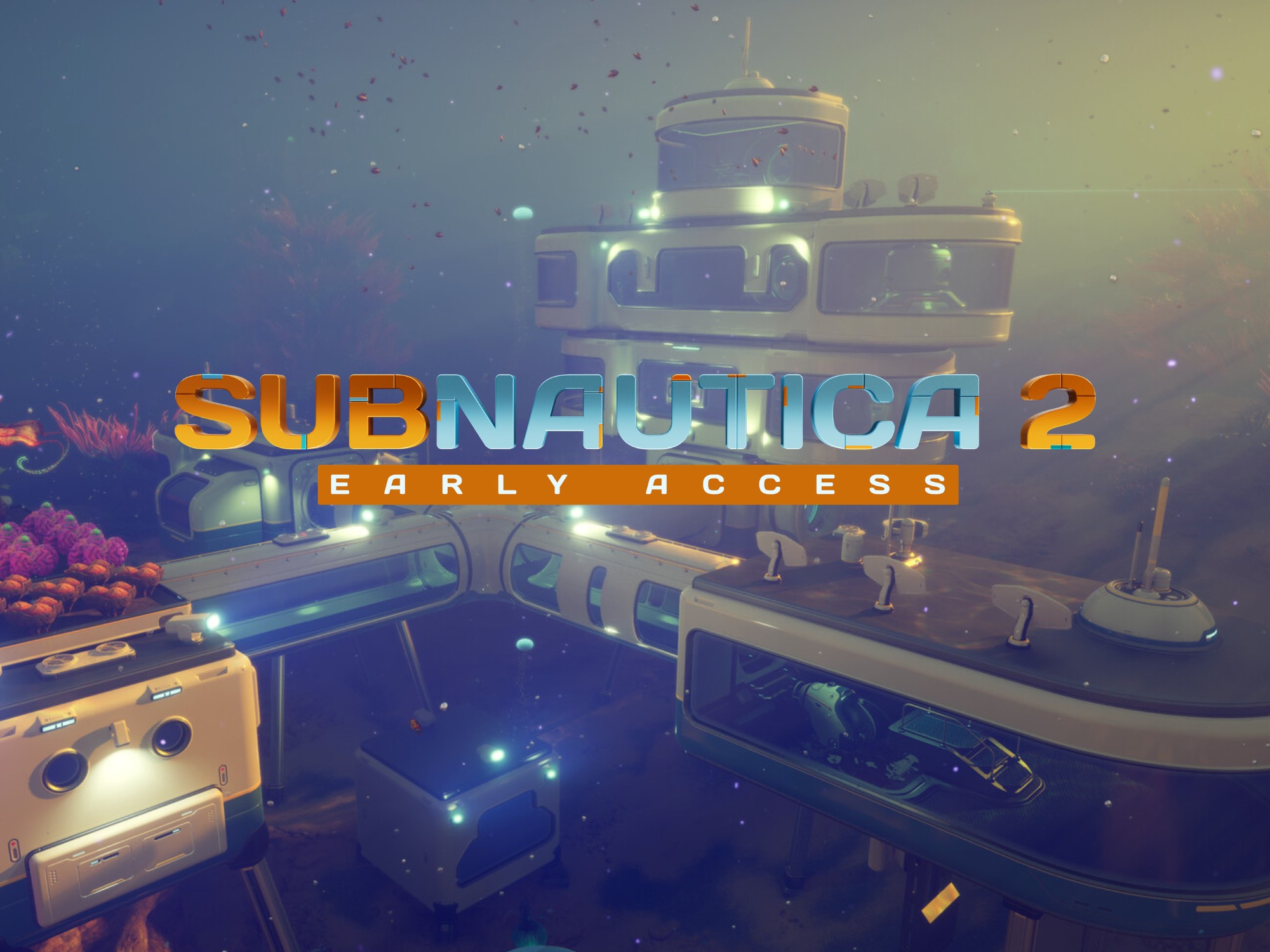
Subnautica 2 entered early access with strong momentum, drawing impressive player numbers and plenty of attention from survival game fans eager to dive into the ocean world of Proteus. But just days after launch, a growing number of players are pushing back against the game’s End-User License Agreement, with negative Steam reviews raising concerns about ownership rights, privacy, and content creation restrictions.
While Subnautica 2 still holds a largely positive reception overall, the discussion around its terms of service has become one of the biggest talking points surrounding the early access release.
At the center of the backlash is the claim that players do not truly “own” the game after purchase. Like many modern digital releases, Subnautica 2 is sold as a license to access and play rather than as a product owned outright. For some players, that distinction has become increasingly frustrating, especially as conversations around digital game preservation continue to grow.
The concern is especially strong because Subnautica 2 includes a solo campaign that, at least on the surface, does not appear to require constant online server authentication. Players questioning the EULA worry that restrictive licensing terms could make the game vulnerable to future access issues if support changes, servers are altered, or publishing policies shift.
Privacy is another major point of criticism in recent Subnautica 2 Steam reviews. Some players have pointed to language in the agreement that appears to restrict the use of VPNs, potentially preventing users from hiding or masking their IP addresses while playing. Others have raised concerns about clauses that may allow the publisher to remotely access the game without direct user approval.
The handling of personal data has also come under scrutiny. Players are questioning how information such as names, email addresses, and other account-related details may be collected, stored, or used. In an era where gaming accounts are often tied to online profiles, payment systems, cloud saves, and multiplayer services, these concerns are resonating with a wider audience.
Content creators are also watching the situation closely. Subnautica has long benefited from YouTube videos, livestreams, guides, screenshots, and community-made content. Streamers and creators played a major role in boosting visibility for the franchise, and Subnautica 2 is expected to attract even more attention as early access continues.
However, the terms of service reportedly place limits on how recordings, screenshots, and other game-related media can be used. Some players believe the wording could restrict creators from earning money through videos or livestreams featuring the game unless they receive permission from Krafton.
That has sparked concern among YouTubers, streamers, guide writers, and modders. Modding in particular could become a major part of the Subnautica 2 community over time, especially as the game expands through early access updates. If creators feel uncertain about whether their work is allowed or monetizable, it could impact the long-term growth of the game’s community.
Not everyone agrees that the outrage is justified. Some players argue that Subnautica 2’s EULA is not dramatically different from the terms attached to many other games on Steam. From that perspective, the backlash may be less about this specific title and more about growing frustration with the state of digital ownership across the gaming industry.
There is also debate over whether some of the terms would be enforceable in certain regions. In areas with stronger consumer protection laws, especially parts of Europe, companies have sometimes faced difficulty enforcing strict digital licensing conditions. That means the practical impact of the EULA may vary depending on where players live.
Still, perception matters. Subnautica 2 arrived with high expectations, and any controversy surrounding player rights can quickly affect public trust. The issue is made more sensitive by existing criticism of Krafton after reports involving changes to the development leadership. For skeptical players, the EULA controversy adds to concerns about how the game and its community may be managed going forward.
Despite the negative reviews, Subnautica 2 remains one of the most talked-about survival games in early access. Many players are still praising its underwater environments, exploration, base-building potential, and atmosphere. The core appeal of the series remains strong, and the launch has clearly attracted a large audience.
The question now is whether Krafton and Unknown Worlds will respond to the criticism. Clearer communication around ownership, privacy, VPN use, remote access, and creator permissions could help calm the situation. If the publisher clarifies or adjusts the terms, it may prevent the controversy from overshadowing the game itself.
For now, Subnautica 2 Steam reviews show a divided community. Many fans are excited to explore Proteus and support the next chapter of the beloved underwater survival series. Others are warning players to read the EULA carefully before jumping in.
As early access continues, Subnautica 2’s future may depend not only on new content and gameplay improvements, but also on whether players feel respected, protected, and free to participate in the community that helped make the franchise so popular.