The European Union is preparing to make a major push for manufacturing independence, with the European Commission expected to unveil a new “localization ratio” policy by late February 2026. The goal is clear: strengthen Europe’s industrial sovereignty by encouraging more of the value chain—from components to final production—to happen within EU borders.
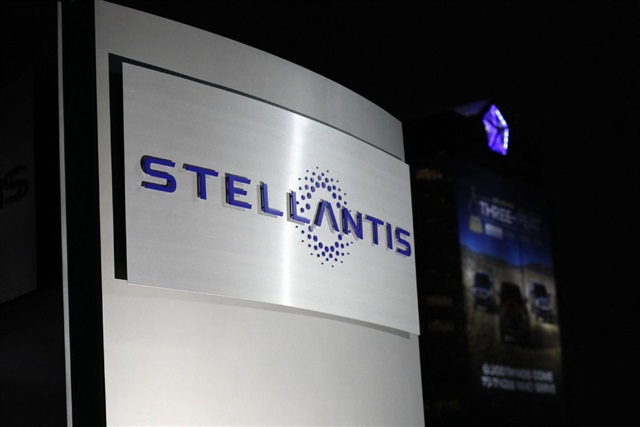
But just as this plan is coming into focus, a high-profile setback is raising fresh questions about how quickly Europe can build the domestic capacity it’s aiming for. Stellantis has abruptly paused construction work tied to ACC’s lithium battery gigafactories in Germany and Italy, a move that adds uncertainty to Europe’s broader battery manufacturing ambitions.
The timing matters. Batteries sit at the center of Europe’s electric vehicle future, and gigafactories are often treated as the backbone of that transition. When a major automaker-backed project slows down, it doesn’t just affect one company’s schedule—it can ripple across supply planning, investment confidence, and policy momentum.
The upcoming localization ratio policy is positioned as a tool to steer industry toward producing more locally, reducing reliance on external suppliers, and keeping strategic manufacturing capabilities inside Europe. In practice, this could influence where companies source materials, where they build facilities, and how they structure partnerships. However, Stellantis’s decision to pause ACC’s gigafactory build-out underscores a core challenge: industrial policy can set targets and incentives, but real-world construction and scaling depend on business conditions, cost pressures, demand forecasts, and the pace of the EV market.
For Europe, the bigger issue is whether new policy measures will be enough to keep large-scale battery projects moving forward—or whether manufacturers will continue to slow, delay, or rethink investments as the market evolves. With the Commission’s late-February 2026 announcement approaching, the pause in Germany and Italy is likely to intensify debate about how the EU can turn its manufacturing sovereignty ambitions into dependable, on-the-ground production capacity.
If you share the rest of the post content (the full paragraph after “has injected…”), I can rewrite the complete article with more context, stronger SEO phrasing, and a smoother narrative flow while keeping the original intent.