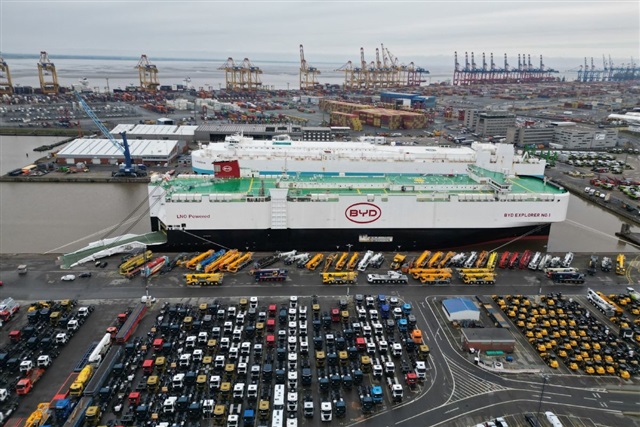
Europe’s electric-car market is undergoing a rapid reset. As the European Union rolls out steep anti-subsidy tariffs on Chinese-made battery electric vehicles, Chinese automakers are pivoting from shipping finished cars to building them on European soil. That shift is unlocking a fresh wave of cross-border collaboration, with established contract manufacturers stepping in to bridge the gap between new entrants and Europe’s strict regulatory, quality, and localization demands.
One standout example is the move by XPeng to work with Magna on European production. The strategy is straightforward: assemble vehicles closer to customers to blunt tariff impacts, accelerate delivery times, and tailor models to local preferences. It’s a pragmatic answer to a fast-changing trade environment, and it signals how the EV race is becoming as much about smarter supply chains and partnerships as it is about battery capacity and range.
Why localization is the new competitive edge
– Tariffs change the math. Import duties can squeeze margins or force price hikes. Producing in Europe helps keep sticker prices competitive while protecting profitability.
– Faster, more flexible logistics. Building closer to the end market shrinks shipping times, smooths inventory planning, and supports just-in-time production.
– Made-for-Europe engineering. On-the-ground manufacturing enables quicker adaptation to European regulations, safety standards, and driver expectations, from chassis tuning to software features.
– Stronger brand trust. European assembly can boost perception of quality and service, while training local technicians and building a broader service network.
What Magna brings to the table
Magna is one of the world’s most experienced automotive manufacturing partners, with a long track record of building vehicles for multiple global brands. For EV newcomers, that means instant access to proven production expertise, robust quality control, and the ability to ramp volumes without waiting years for a greenfield plant. It’s a plug-and-play pathway into Europe’s mature auto ecosystem, with the flexibility to scale as demand grows.
Benefits for European jobs and supply chains
Localization isn’t just a defensive move against tariffs. It feeds into a broader industrial strategy:
– Jobs and training. New assembly lines support skilled employment across manufacturing, logistics, and aftersales service.
– Supplier integration. European plants pull more local suppliers into the EV value chain, from electronics to interiors.
– Battery ecosystem momentum. As more EVs are built in the EU, demand grows for regional battery cells, packs, and recycling—key to long-term resilience.
Hurdles still ahead
Turning plans into production is not trivial. Automakers must qualify local suppliers, secure battery sourcing that meets rules of origin, and pass rigorous certification. Cost structures in Europe are higher than in China, making manufacturing efficiency and smart platform design essential. Software localization, charging-network integration, and aftersales readiness also require careful execution to deliver a seamless customer experience from day one.
What this means for car buyers
For consumers, the shift should translate to more choice, faster deliveries, and sharper pricing as competition heats up. Local production often comes with tighter quality loops and quicker updates. Over time, expect models tuned specifically for European roads and climates, alongside better availability of parts and service.
The bigger picture
Europe’s EV transition is entering a more collaborative phase. Instead of a simple exporter–importer dynamic, cross-border partnerships are weaving together Chinese innovation, European manufacturing know-how, and a region-wide push for clean mobility. As tariffs push companies to rethink where and how they build, Europe could see a broader mix of contract manufacturing, joint ventures, and localized R&D that strengthens the continent’s role in the global EV industry.
Bottom line
EU tariffs are accelerating a strategic realignment. By partnering with manufacturing specialists like Magna, brands such as XPeng are positioning to compete on price, quality, and speed—inside Europe, for Europe. The result is a more resilient EV supply chain, a richer market for drivers, and a new template for how automakers navigate trade headwinds while scaling the next generation of electric mobility.