Europe’s push to build a homegrown electric vehicle battery industry is running into a hard stop, and the fallout could reshape the region’s clean-tech plans for years. After a wave of high-profile setbacks involving projects such as Northvolt, Cellforce, and ACC, the idea of a fast-rising European battery champion ecosystem is looking far less certain than it did just a short time ago.
At the center of the problem is an unforgiving global marketplace. Chinese battery manufacturers have surged ahead and now account for close to 70% of worldwide lithium battery installations. That dominance isn’t spread evenly, either. CATL alone holds an outsized lead, with a roughly 39.2% global share, underscoring just how concentrated power has become in the battery supply chain.
For Europe, this is more than an uncomfortable statistic. Batteries are the most critical and expensive component in most electric vehicles, and whoever controls battery production often controls pricing leverage, supply availability, and innovation pace. When the majority of installations are coming from abroad—especially from a highly competitive manufacturing base—European automakers and policymakers face tougher choices about long-term sourcing, industrial strategy, and energy security.
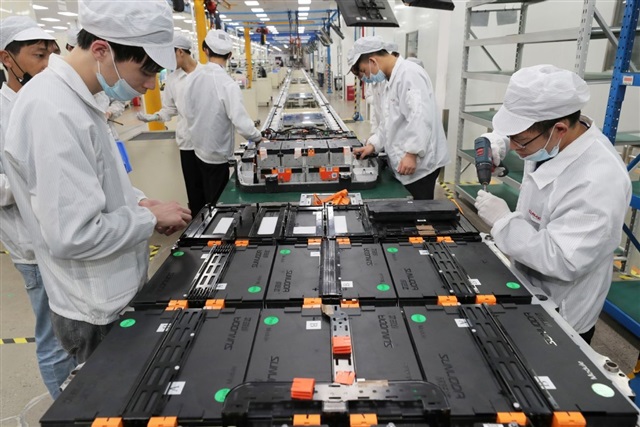
The collapse of multiple European battery initiatives highlights how difficult it is to compete at scale. Building a “gigafactory” isn’t simply about constructing a large facility; it requires steady access to raw materials, cost-efficient refining, mature production know-how, competitive labor and energy costs, and the ability to ramp quickly without quality issues. In a market where leading producers are already delivering huge volumes and driving costs down, new entrants can struggle to survive long enough to reach profitability.
This stalled gigafactory momentum also threatens Europe’s broader goal of battery autonomy—reducing dependence on external suppliers while strengthening domestic manufacturing. Without successful local production, Europe risks staying tied to overseas supply chains just as EV adoption accelerates and battery demand continues to climb.
In the near term, Europe’s setback may translate into continued reliance on imported battery cells and technology partnerships to keep vehicle production on track. Over the long term, it raises bigger questions: Can Europe reboot its battery strategy in a way that attracts sustained investment, scales competitively, and withstands price pressure from dominant global players? With China’s grip on installations and CATL’s commanding lead, the path forward is getting narrower—and more urgent—by the month.