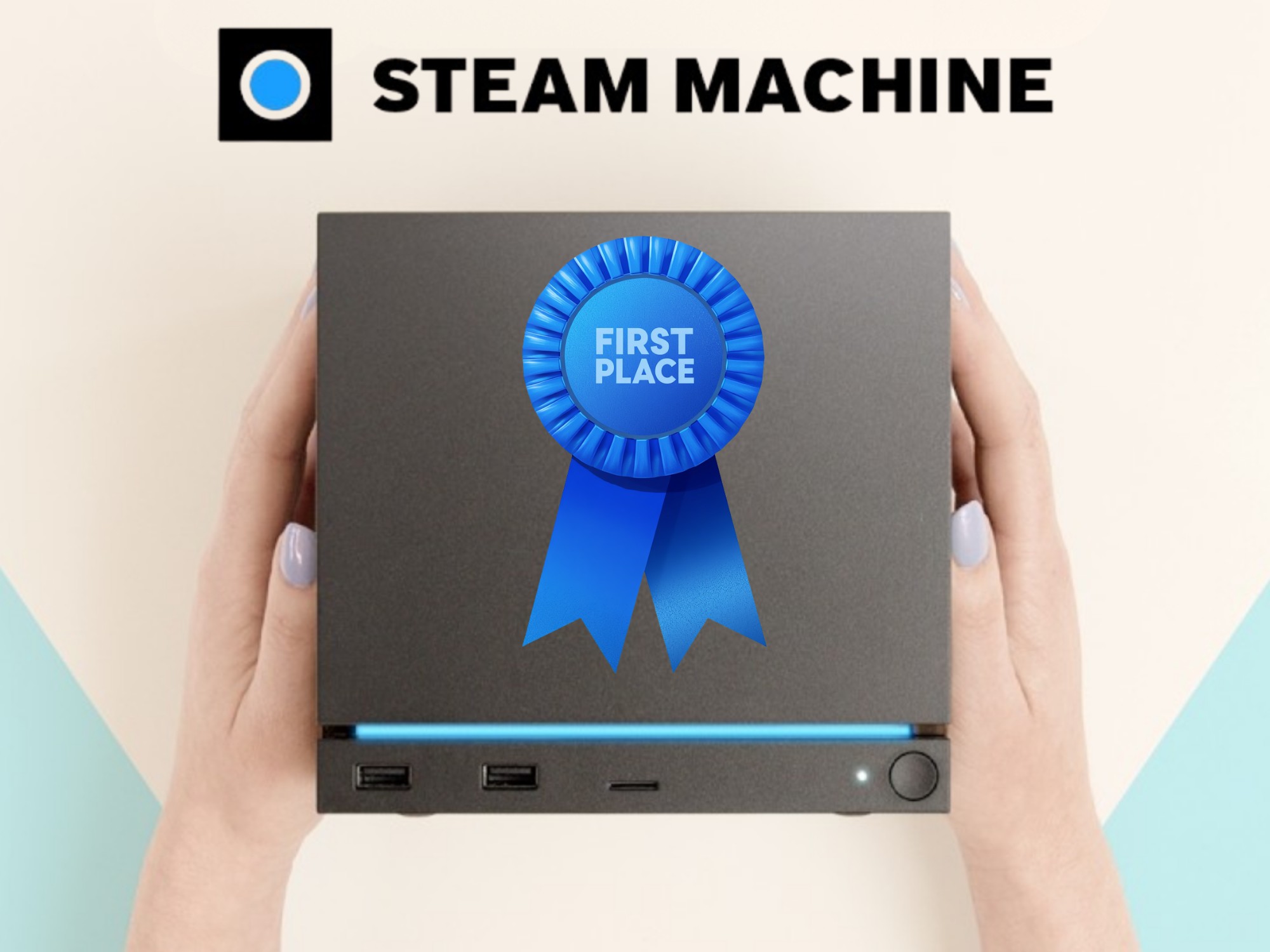
Valve Steam Machine tops Steam sales chart despite mixed reviews and high price
Valve’s new Steam Machine may not be winning over every reviewer, but it is already making a major impact on Steam’s best-selling products list. The compact SteamOS gaming PC has debuted at No. 1 on Valve’s top sellers chart, outperforming every game on the platform in total revenue.
That achievement comes with an important detail: Valve’s chart is based on revenue, not the number of units sold. Since the Steam Machine starts at over $1,049, it can generate far more revenue per sale than even the biggest PC games. That pricing advantage helps explain how the hardware managed to rise above popular titles such as Marvel Rivals and Counter-Strike 2, both of which rely heavily on in-game purchases despite being free to play.
The Steam Machine’s strong chart position is especially notable because early reactions to the device have been mixed. Some reviewers have questioned whether Valve’s mini gaming PC delivers enough performance to justify its premium price. While the system offers the appeal of a living-room-friendly SteamOS experience, its value compared with traditional gaming PCs, handhelds, and consoles remains a major talking point.
Valve has pointed to storage and memory supply shortages as one reason behind the Steam Machine’s higher-than-expected price. The same market pressure has affected other gaming hardware, with rising component costs making devices more expensive across the industry. Even so, premium pricing can work in a manufacturer’s favor when demand remains strong, since fewer sales can still produce impressive revenue.
The Steam Deck also continues to perform well on Valve’s sales chart. Despite a recent price increase, the handheld climbed to fifth place, showing that Valve’s hardware ecosystem still has plenty of momentum. The Steam Deck’s continued popularity may also help the Steam Machine, as both devices share the broader promise of PC gaming through SteamOS.
Demand for the Steam Machine appears to be strong, though it is difficult to know exactly how many units Valve has sold. The company introduced a reservation system that lets buyers choose a configuration and wait in a queue. Some customers have already started receiving purchase invitations, while many others are still waiting. That could mean supply is limited, demand is high, or both.
In parts of Asia, where a similar reservation process was not available, the Steam Machine reportedly sold out very quickly through Valve’s regional retail partner. The limited availability has also created an opportunity for resellers, with some scalpers listing the hardware at sharply inflated prices. That kind of resale activity often points to strong demand, even if it frustrates regular buyers.
The big question now is whether the Steam Machine can maintain its early momentum. A high position on the Steam top sellers list is impressive, but it does not automatically prove mass-market success. Because the ranking is based on revenue, the device can stay near the top even with relatively modest unit sales.
Still, Valve has reason to be optimistic. The Steam Machine is generating attention, selling through limited stock in some regions, and benefiting from the growing interest in SteamOS hardware. Even if some players decide to stick with cheaper gaming PCs, consoles, or handhelds, Valve’s compact gaming machine is likely to remain one of the most visible products on Steam for the near future.