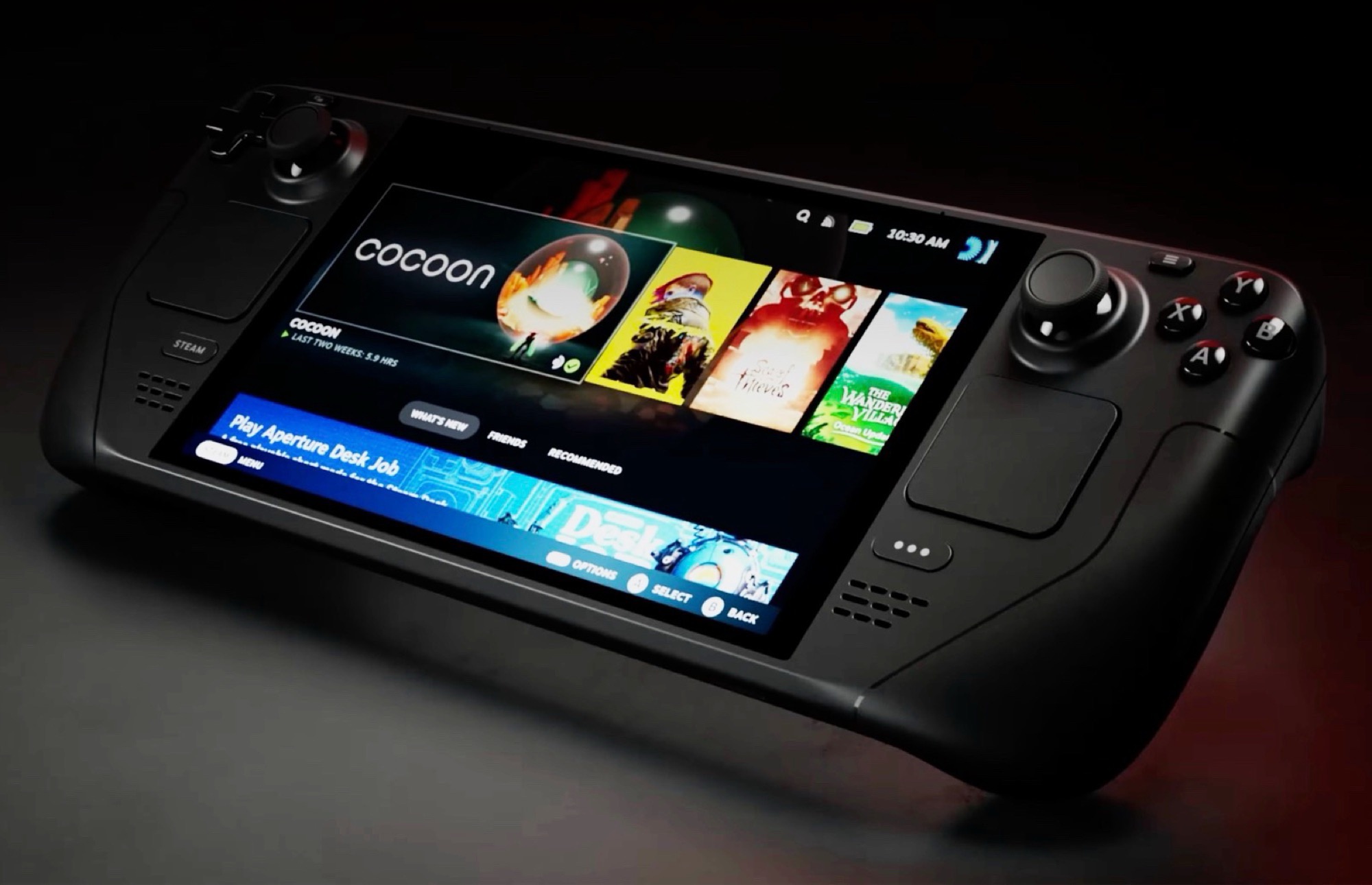
Steam Deck OLED returns to stock with a major price hike
Valve’s Steam Deck OLED is finally available again after months of limited supply, but buyers may be surprised by the new pricing. The popular handheld gaming PC has returned with a much higher cost, making it far less affordable than it was at launch.
The refreshed pricing now places the Steam Deck OLED in a different category than before. The 512 GB model is listed at $789, up from its previous $549 price. Meanwhile, the 1 TB version now costs $949, rising from $649. That means both versions have increased by more than 40 percent, a major jump for a device that once stood out as one of the best-value handheld gaming systems on the market.
Valve has also removed the cheaper Steam Deck LCD model with 256 GB of storage from its lineup. That version previously served as the entry-level option for gamers who wanted a more affordable way into PC handheld gaming. With the LCD model gone, the lowest available Steam Deck option now costs nearly twice as much as the original base model did when the device launched in 2022.
When the Steam Deck first arrived, it started at $399 and quickly gained attention for offering strong portable gaming performance at a competitive price. Four years later, the situation has changed. The cheapest available model is now $390 more expensive than the original entry-level version, even though the core performance has not seen a major generational upgrade.
That creates a tougher value argument for the Steam Deck OLED in 2026. While the OLED display, improved battery life, and larger storage options remain attractive, the hardware is no longer as fresh as it once was. Newer PC games are becoming more demanding, meaning the Steam Deck may struggle with some modern titles compared to how well it handled games at launch.
The main reason behind the price increase appears to be rising component costs. Memory and storage prices have climbed sharply due to heavy demand for RAM and SSDs, especially from companies building large-scale artificial intelligence infrastructure. Since the Steam Deck OLED includes 16 GB of RAM and either a 512 GB or 1 TB SSD, higher production costs are now being passed on to customers.
This price change also puts the Steam Deck OLED in a more difficult position against competing handheld gaming PCs. Some rival devices now offer similar or newer hardware at lower prices, including models with AMD Ryzen processors, 16 GB of RAM, and 512 GB of storage. That makes Valve’s handheld less of an obvious bargain than it once was.
For fans of SteamOS, the Steam Deck OLED still has clear strengths. It offers a polished handheld gaming experience, deep Steam library integration, a vibrant OLED screen, and a comfortable design that many players prefer. However, the new pricing means buyers will need to think more carefully before purchasing.
The Steam Deck helped define the modern handheld PC gaming market, but its latest price hike marks a turning point. What was once a budget-friendly powerhouse is now a premium-priced portable gaming device facing stronger competition than ever.