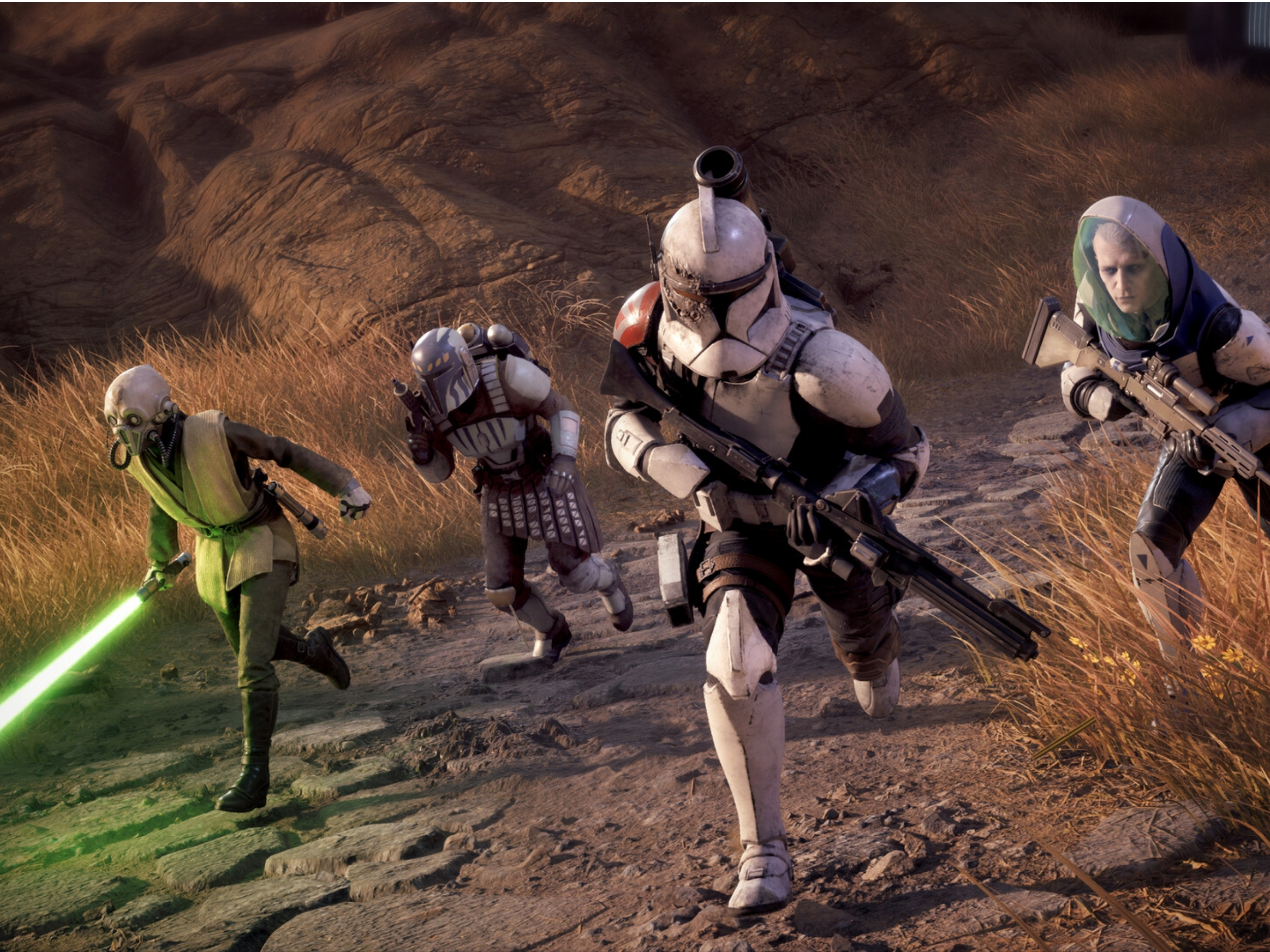
Star Wars Zero Company is off to a strong start, but the situation behind the game’s success appears far more complicated than its early momentum suggests.
The turn-based tactics game from Bit Reactor has earned positive attention from critics and players, quickly becoming one of the most successful Star Wars games in recent years. Based on player activity, it reportedly sits behind only LEGO Star Wars: The Skywalker Saga among the franchise’s strongest gaming launches.
However, while Star Wars Zero Company is performing well publicly, reports suggest that many of the people who helped create it are currently not being paid.
According to a report from Game File, Bit Reactor placed a large number of employees on unpaid furlough before the game was released. The studio reportedly confirmed that furloughs had taken place, though it did not share an exact number of affected workers. An anonymous source cited in the report claimed that roughly 80% of the team may have been impacted.
The issue does not appear to be tied to EA or Disney. Instead, the situation is reportedly financial, with Bit Reactor said to have run out of available funds before launch. As a result, only a smaller core group is believed to remain actively working at the studio.
That remaining team is reportedly focused on essential post-launch work, including addressing bugs and supporting Star Wars Zero Company after release. Bit Reactor has not indicated that it is abandoning its furloughed staff. The studio reportedly hopes to bring employees back once its financial position improves, and the strong performance of Star Wars Zero Company could play a major role in making that possible.
The news has sparked mixed reactions across the gaming community. Some players are frustrated that a game can perform well while most of its development team is left without pay. For them, the situation raises difficult questions about studio financing, employee protection, and the risks developers face even when a game looks successful from the outside.
Some fans have said they do not want to buy Star Wars Zero Company under these circumstances, arguing that unpaid furloughs should not be overlooked simply because the game is doing well.
Others see the situation differently. If Bit Reactor’s financial troubles are the main cause, they argue that boycotting the game could hurt the very workers people want to support. Stronger sales may give the studio the money it needs to bring furloughed developers back and stabilize operations.
That divide has created an uncomfortable debate: should players withhold support to protest unpaid furloughs, or buy the game in the hope that its success helps the team return to work?
For now, Star Wars Zero Company stands as both a commercial bright spot and a reminder of the uncertainty facing many game developers. Its early success shows that there is clear demand for a tactical Star Wars experience, but the reported furloughs reveal how fragile studio operations can be behind the scenes.
If the game continues to perform well, Bit Reactor may have a chance to recover financially and reunite more of its team. Until then, Star Wars Zero Company’s launch will likely remain defined by both impressive player interest and the troubling circumstances surrounding the people who built it.


