Japan’s gacha game scene is at a crossroads. Mobile gacha titles have long underpinned the country’s gaming economy, but developers are now grappling with shrinking margins, tougher competition, and a rapid shift in publisher priorities toward console-first experiences that demand a very different skill set.
The pressure is visible in recent service closures, including Square Enix shutting down titles such as Final Fantasy: Brave Exvius and Dragon Quest of the Stars. Inside the industry, unease is growing. A Japanese developer, Suemaru, shared a bleak outlook on social media, noting that roles like gacha game director are harder to find as the market reaches saturation. Publishers still value these free-to-play, live-service games for their steady revenue, but player attention is finite—there are only so many daily logins and battle passes a person can juggle.
Compounding the squeeze, the biggest new opportunities are on consoles, where teams need expertise in high-end 3D production, performance optimization, and cinematic presentation. That favors creators already versed in cutting-edge visuals and cross-platform pipelines. Many studios also lean toward younger hires, creating another barrier for mid-career mobile specialists who may now need to retrain in areas like advanced engine work, animation, environment art, and console certification.
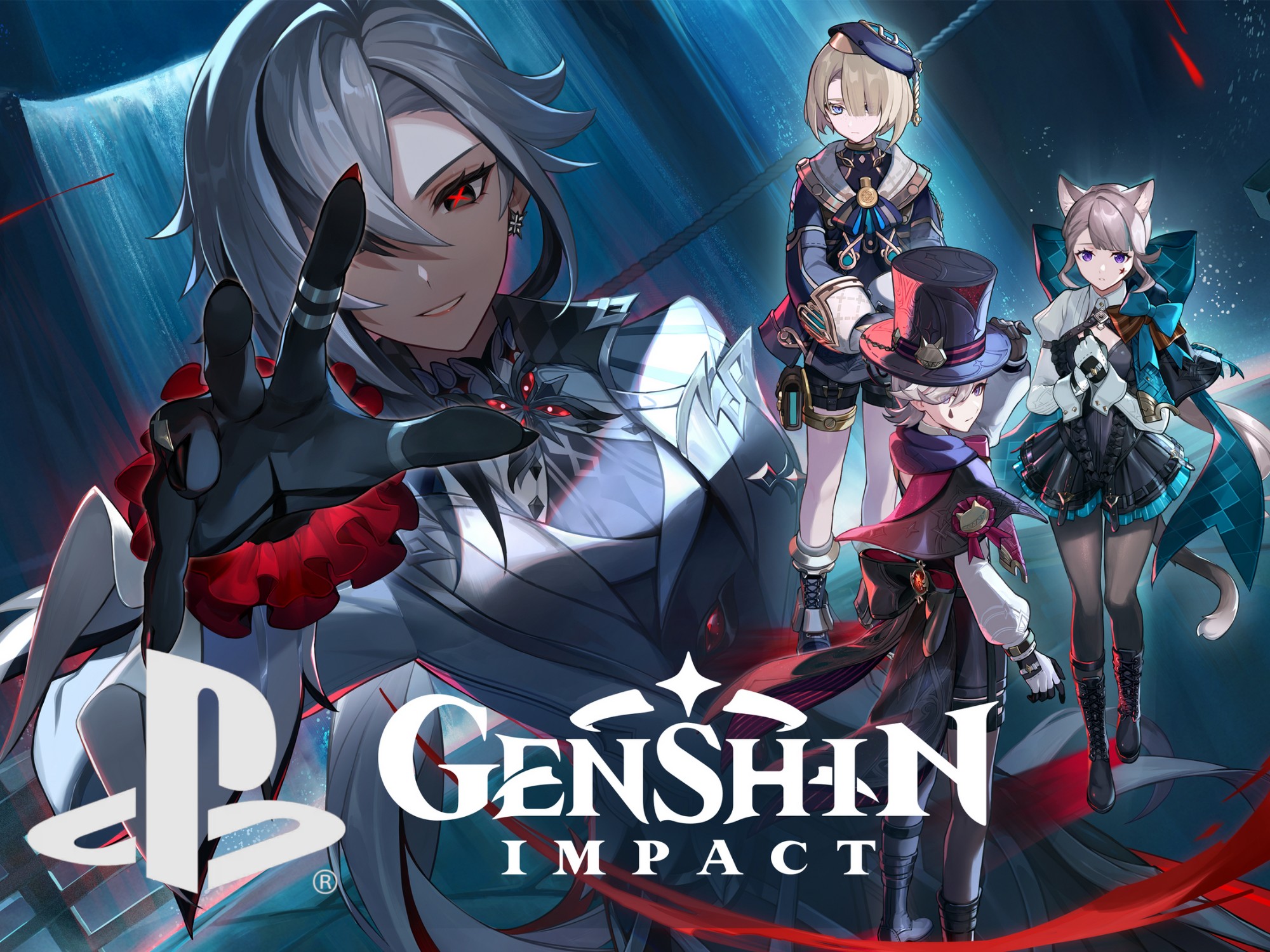
Then there’s the Genshin Impact effect. HoYoverse didn’t just make a hit; it reset expectations for what a gacha game can be. A sprawling 3D world that looks and feels like an AAA release, polished live operations, and seamless availability on platforms including PlayStation 5 set a high bar that rivals struggle to match. Developers from China and South Korea are competing aggressively in the same space, raising production values and marketing spend across the board.
Yet the model isn’t going away. Industry forecasts remain optimistic, with one research firm projecting the global gacha market to grow from about 0.53 billion dollars in 2025 to roughly 1.09 billion dollars by 2034. That implies opportunity—just not under yesterday’s rules.
What success is likely to require next:
– Cross-platform thinking from day one, including console-grade performance and controller-first UX alongside mobile touch design
– Investment in 3D content pipelines, worldbuilding, and cinematic craft to meet raised player expectations
– Ethical, transparent monetization that balances long-term retention with goodwill
– Talent development that upskills mobile veterans in areas like Unreal/Unity for high-end production, real-time VFX, and technical art
– Strategic partnerships to share risk on costly, content-hungry live services
For Japanese studios, the path forward is adaptation rather than retreat. The country’s strengths—beloved IP, character design, music, and event-driven storytelling—remain powerful. Teams that merge those strengths with modern production values and console-quality execution can thrive, whether on phones, PCs, or living room screens. For developers like Suemaru, the message is tough but clear: the audience for gacha games isn’t shrinking, but expectations are rising fast. Those who evolve their craft will be the ones still standing when the next wave hits.


