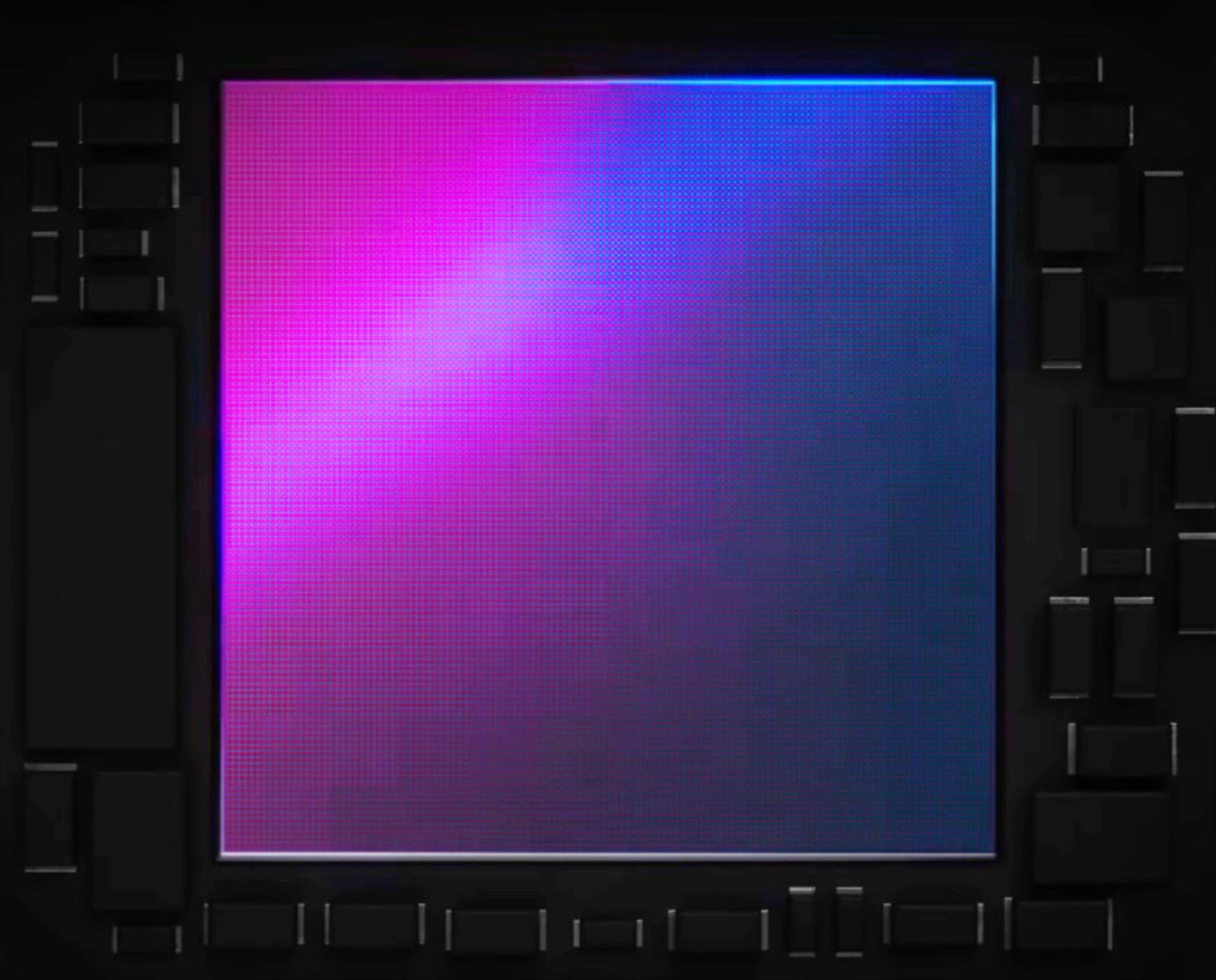
Square camera sensors could be the next big shift for Android phones, especially as brands look for smarter ways to capture content that works everywhere, from TikTok and Instagram Reels to YouTube and traditional widescreen viewing. The idea is simple: by moving away from the standard rectangular sensor format, phones could capture a more flexible image area that makes reframing and cropping far easier without sacrificing as much quality.
A major advantage is how well a square sensor pairs with AI-driven framing features. Instead of forcing users to choose the “right” aspect ratio before they hit record, an AI system can automatically adjust the aspect ratio on the fly so that everyone in front of the camera stays inside the frame. This is especially useful for group shots, quick clips, and casual filming where people move around and you don’t have time to recompose.
There’s also a content-creation benefit that’s hard to ignore. With a square sensor, it becomes much more practical to capture square video first and then crop later for different outputs. In theory, you could shoot once and export multiple versions: a vertical cut for social platforms and a horizontal version for YouTube or other landscape-first apps. That single-capture, multi-format workflow is increasingly valuable as creators try to post the same moment across several platforms without reshooting.
Apple already uses clever software to make framing easier in everyday use. During video calls, Center Stage on the iPhone 17 automatically adjusts framing to keep your face centered as you move. While Apple doesn’t currently allow Open Gate-style recording across the full sensor surface, the broader concept highlights where smartphone cameras are headed: more intelligent framing, less manual setup, and more flexible footage that can be repurposed after recording.
On the selfie side, iPhone performance remains a benchmark. Based on DxOMark’s rankings, the iPhone 17 Pro sits at the top for selfie camera quality among smartphones. Its newest sensor scored 154, which is a modest three-point improvement over the iPhone 16 Pro’s result, suggesting that recent upgrades are more about refinement than dramatic leaps.
If square sensors make their way into upcoming Android phones, they could play a key role in the next phase of mobile photography and video. Combined with AI framing and easier multi-aspect editing, this approach could help phones deliver more usable footage with less effort—exactly the kind of upgrade that matters to everyday users and creators alike.