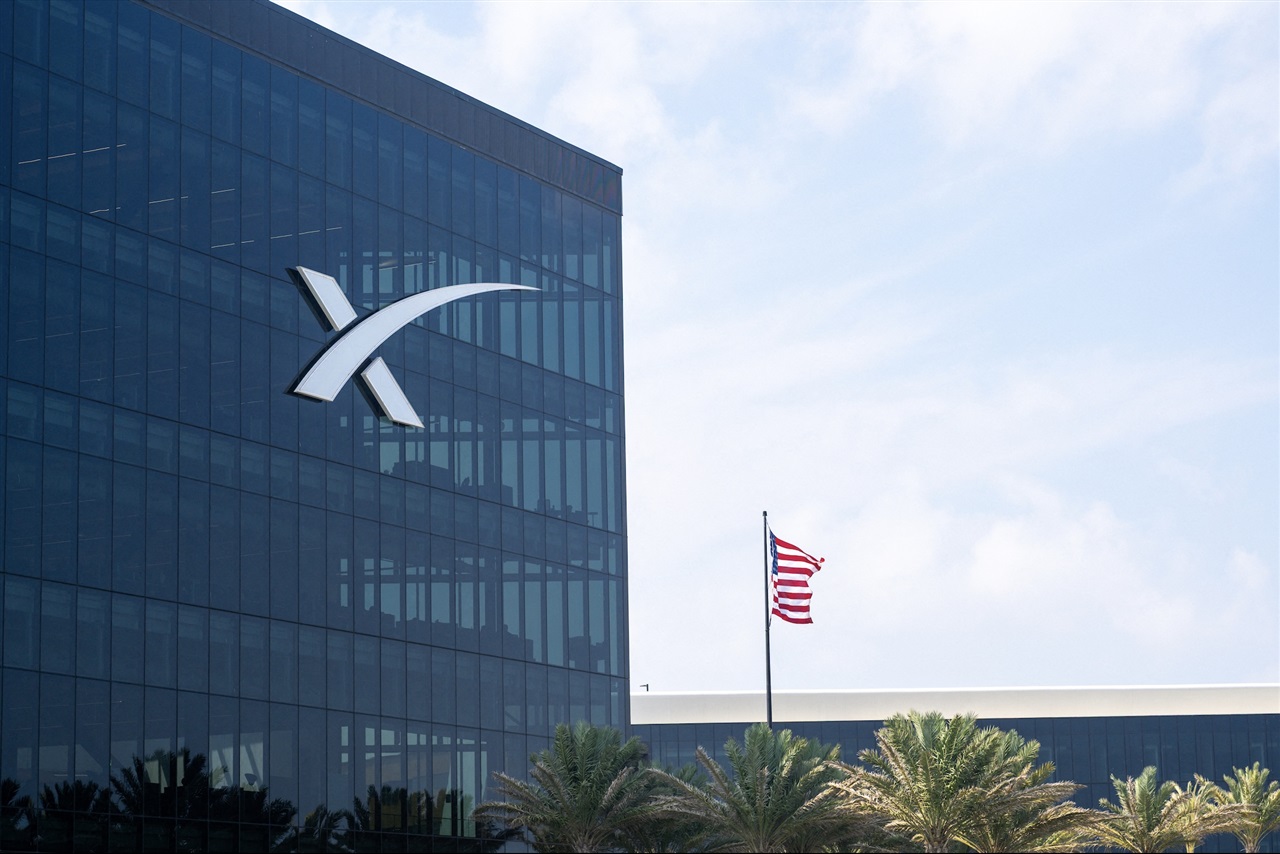
SpaceX Eyes Massive $40 Billion Financing Deal to Buy Nvidia AI Chips
SpaceX is reportedly looking to raise around $40 billion in financing to support major purchases of Nvidia AI chips, signaling just how critical artificial intelligence hardware has become for the future of high-performance technology companies.
The proposed financing effort is said to be led by Apollo Global Management and could become one of the biggest examples so far of AI compute hardware being treated like long-term infrastructure. Instead of viewing advanced chips as a typical technology purchase, the deal suggests that companies may increasingly finance AI systems in the same way they fund data centers, energy projects, satellites, or other large-scale industrial assets.
The move highlights the growing importance of Nvidia’s AI processors, which remain in extremely high demand as businesses race to expand machine learning, automation, cloud computing, and advanced data-processing capabilities. For SpaceX, access to powerful AI chips could support a wide range of operations, from satellite networks and autonomous systems to engineering simulations, logistics, and future space technologies.
A $40 billion financing package would be enormous even by the standards of the current artificial intelligence boom. It reflects a broader shift in the tech and finance industries: compute power is no longer just a back-office resource. It is becoming a strategic asset that can define how quickly a company can innovate, scale, and compete.
Apollo Global Management’s reported role in leading the deal also shows how major financial firms are becoming more involved in funding the AI infrastructure race. As demand for advanced processors grows, companies with massive compute needs may increasingly turn to structured financing rather than relying only on traditional capital spending.
The rise of AI chip financing could reshape how the next generation of technology infrastructure is built. Nvidia’s hardware is expensive, supply-constrained, and essential for training and running advanced AI models. For companies operating at global scale, securing enough compute capacity can be just as important as securing energy, manufacturing capacity, or transportation networks.
For SpaceX, the financing would come at a time when the company continues to expand across multiple ambitious areas, including space launches, satellite internet, and advanced aerospace development. Large-scale AI computing could play a key role in improving efficiency, accelerating research, and managing increasingly complex systems.
The reported deal also underscores the deep connection between artificial intelligence and physical infrastructure. AI is often discussed in terms of software, chatbots, and digital tools, but behind every major AI system is a vast amount of specialized hardware. Chips, servers, cooling systems, power supply, and data centers are now central to the global technology economy.
If completed, this financing effort could become a landmark moment for the AI industry. It would show that compute hardware is now valuable enough to attract infrastructure-style investment on a massive scale. It may also encourage other major companies to pursue similar financing models as they compete for access to Nvidia chips and other AI accelerators.
The message is clear: the AI race is not just about software breakthroughs. It is also about who can secure the computing power needed to build and deploy the next wave of intelligent systems. SpaceX’s reported $40 billion push for Nvidia AI chips could be one of the clearest signs yet that AI compute has become one of the most important assets in modern technology.