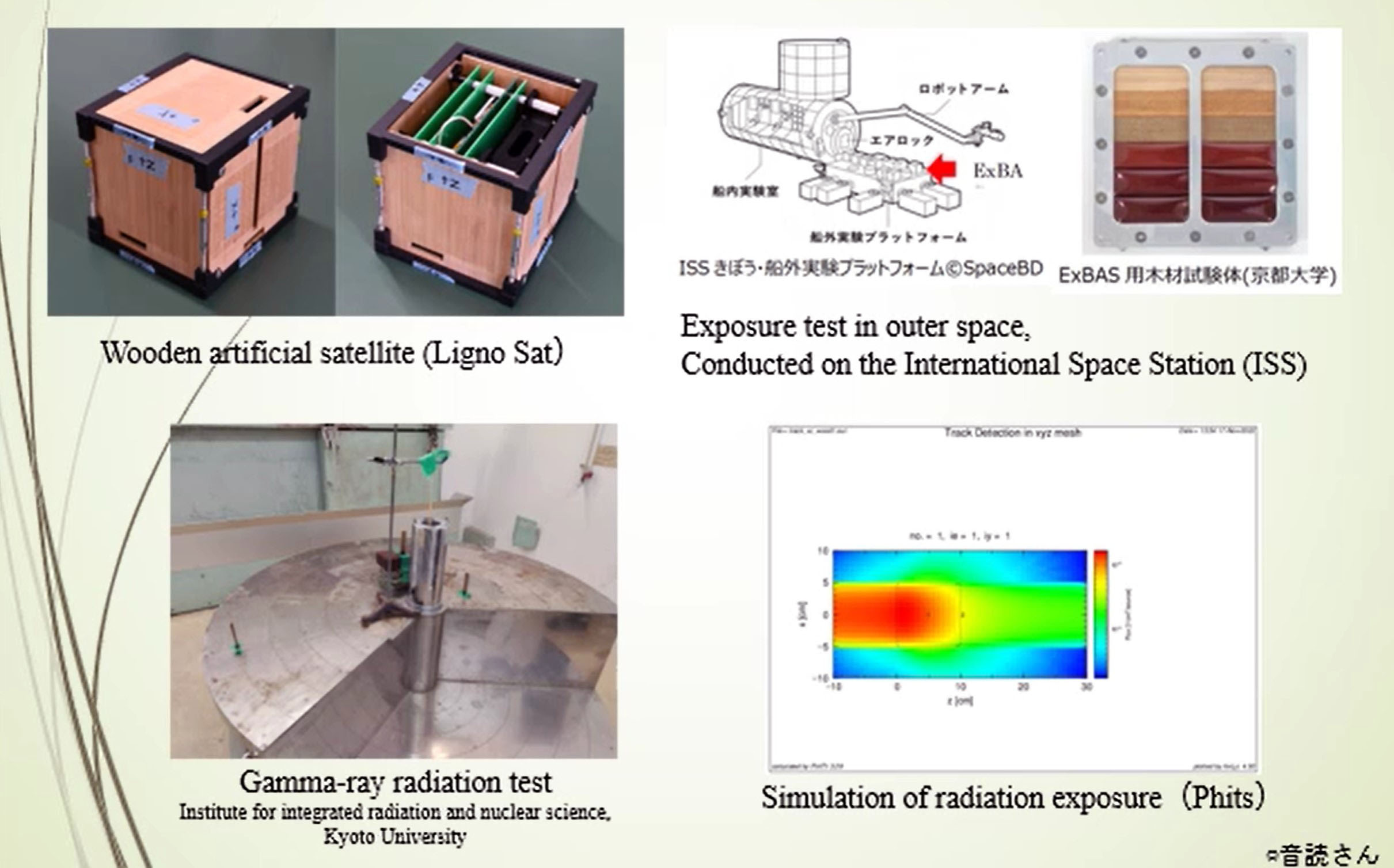
SpaceX is on the verge of revolutionizing space technology with plans to send the first biodegradable satellite, made from magnolia wood, into orbit. This wooden satellite, known as LignoSat, aims to be a sustainable alternative to the aluminum and rare metal particles typically left behind by current satellites during re-entry.
With an estimated 2,500 satellites expected to be launched every year, the satellite and rocket debris poses an imminent threat to the Earth’s ozone layer. At present, such debris comprises 10% of all stratospheric aerosol particles. This percentage could potentially soar to 50%, amplifying the risk to the crucial barrier that shields the planet from harmful ultraviolet radiation.
To combat this environmental issue, NASA, in collaboration with Kyoto University researchers and the Sumitomo Forestry company, embarked on a quest for eco-friendlier satellite materials. After conducting extensive testing at the International Space Station, magnolia wood emerged as the resilient material for the LignoSat 2’s structure. It demonstrated remarkable resistance against the harsh conditions of space, including drastic temperature shifts and intense cosmic and solar radiation exposure.
The wooden satellite, no larger than a coffee mug, will be launched aboard a future space mission from service providers like SpaceX or Orbital Sciences’ Cygnus spacecraft. As part of the project’s experimental phase, the LignoSat 2 will be closely monitored to evaluate its structural integrity and the environmental impact of its eventual return to Earth.
As SpaceX prepares for this groundbreaking mission, those interested in the ongoing advancements of satellite technology can look forward to observing a unique approach to sustainable space exploration. The deployment of such biodegradable satellites could represent a step forward in mitigating environmental harm while advancing our capabilities in space.
Preparations for The Launch of LignoSat
The LignoSat, a testament to human innovation in sustainability, will soon be part of a vital cargo mission into low Earth orbit. Researchers are eagerly anticipating the performance results of the satellite, which could potentially herald a new era of eco-conscious satellite design.
By embracing such pioneering efforts, the advancements in space technology take into account the long-term health of our planet’s atmosphere. The wooden satellite project underscores a commitment to sustainable exploration that not only strives for scientific achievement but also conscientiously addresses the ecological footprint of human activity in space.
As the world awaits the successful launch and operation of the LignoSat, the initiative may inspire further exploration of biodegradable materials in various industries, offering solutions that can reduce the environmental impact of human innovation.