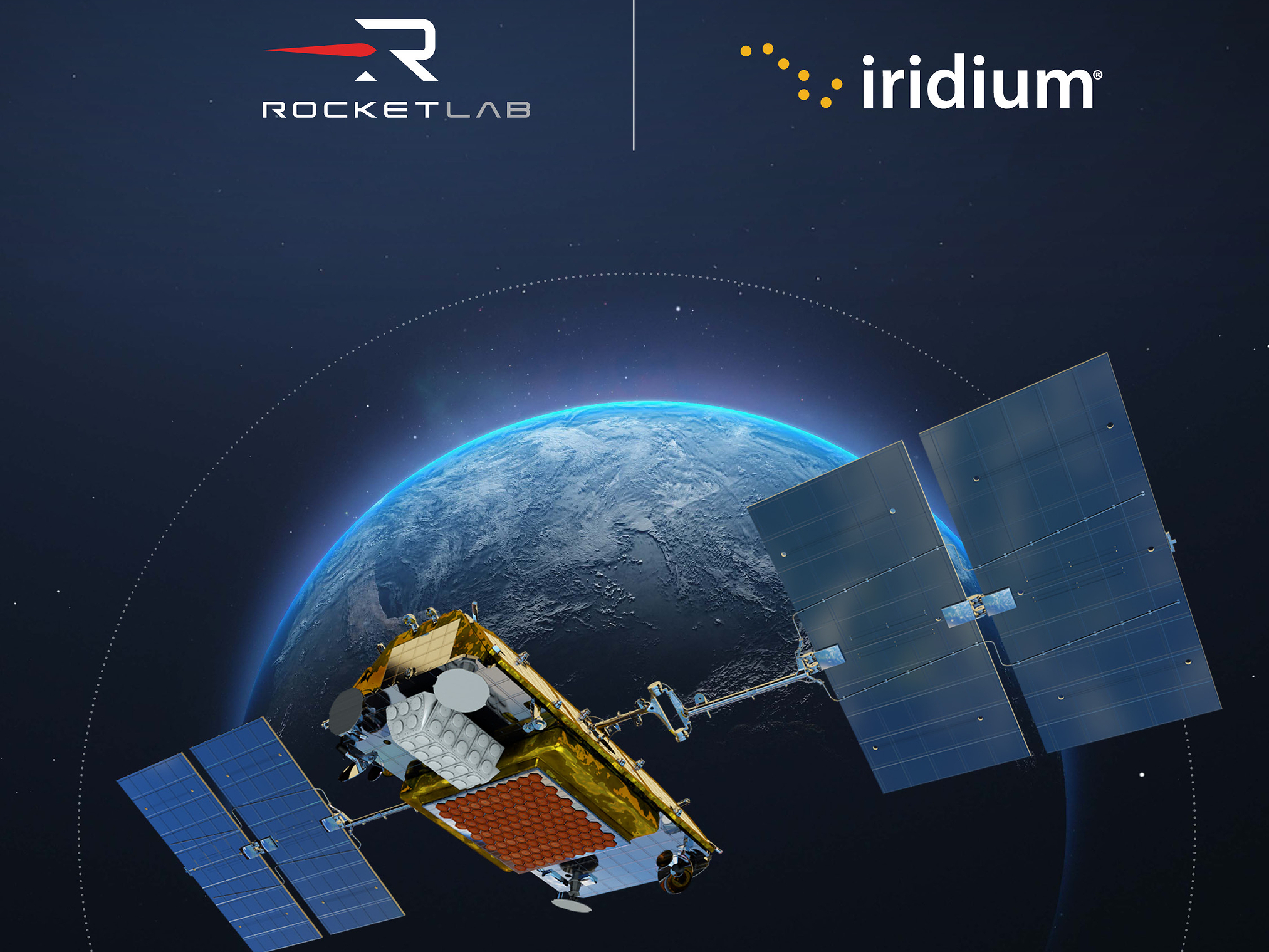
Rocket Lab to acquire Iridium in $8 billion satellite communications deal
Rocket Lab is making one of the biggest moves in the commercial space industry by agreeing to acquire Iridium Communications in a deal valued at about $8 billion. The acquisition would give Rocket Lab immediate control of a proven global satellite communications network instead of forcing the company to spend years building one from the ground up.
Rocket Lab is widely known for its Electron rocket and growing space systems business, but this deal pushes the company deeper into satellite services, recurring revenue, and global connectivity. By buying Iridium, Rocket Lab gains access to licensed L-band spectrum, an established customer base, strong government relationships, and a profitable satellite communications operation.
Iridium currently serves more than 2.55 million subscribers around the world through a constellation of 66 active low-Earth orbit satellites, supported by additional spare satellites already in orbit. Its network provides voice, data, and positioning services across the globe, including in oceans, polar regions, deserts, remote industrial sites, and other areas where traditional cellular networks are unavailable.
Unlike satellite broadband services such as SpaceX’s Starlink or Amazon’s Leo network, Iridium is not focused on high-speed consumer internet. Its strength is reliable, low-bandwidth connectivity for users who need communication access almost anywhere on Earth. That makes Iridium especially important for governments, defense agencies, aviation, maritime operators, emergency responders, logistics companies, and businesses working in remote environments.
Rocket Lab founder and CEO Sir Peter Beck has described the acquisition as a faster route to owning a global satellite network. Instead of investing in an uncertain long-term buildout, Rocket Lab is buying a company that already has satellites in orbit, valuable spectrum rights, paying customers, and strong revenue. Iridium reported $871.7 million in revenue for 2025, making it a well-established business rather than a speculative expansion.
Rocket Lab does not plan to simply preserve Iridium’s existing network. The company intends to help develop and deploy Iridium’s next-generation satellite constellation, which could include direct-to-device services. These services would allow smartphones and other devices to connect through satellites when terrestrial cellular coverage is unavailable, a feature that is becoming increasingly important for emergency communications, remote work, and national security applications.
The deal could also significantly strengthen Rocket Lab’s position in government and defense markets. Secure, resilient satellite communications are becoming more valuable as countries and companies look for systems that can operate during natural disasters, military conflicts, cyberattacks, and infrastructure outages. Iridium’s long history of serving government and enterprise customers gives Rocket Lab a major advantage in that sector.
The acquisition highlights a larger shift in the space industry. Launch companies are no longer focused only on sending payloads into orbit. They increasingly want to own the satellite networks, services, and data businesses that generate long-term income after launch. SpaceX has already demonstrated this model with Starlink, while Amazon continues to invest heavily in its own satellite broadband constellation. Rocket Lab’s purchase of Iridium would give it a major recurring-revenue business and a much larger role in global satellite communications.
Under the terms of the agreement, Iridium shareholders will receive $54 per share through a mix of cash and Rocket Lab stock. The boards of both companies have unanimously approved the transaction. The deal is expected to close in mid-2027, pending approval from Iridium shareholders and regulatory authorities.
If completed, the acquisition would transform Rocket Lab from a launch and space systems company into a major satellite communications provider with global reach. It would also give the company a stronger foundation in one of the most competitive and strategically important areas of the modern space economy: reliable connectivity from orbit.


