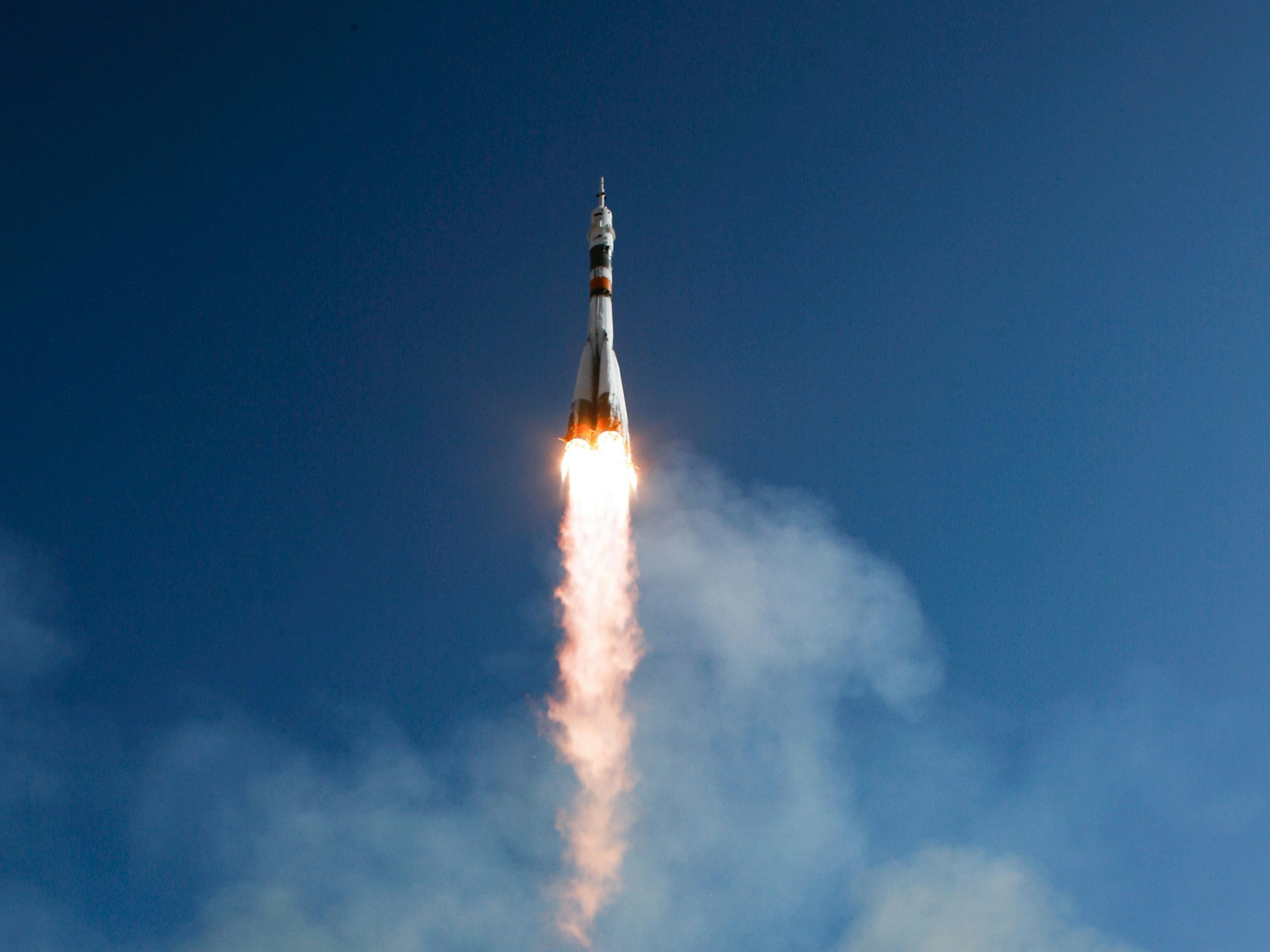
Satellite launches are accelerating at a pace the space industry has never seen before. In just the past few years, the rise of mega-constellations, massive networks of satellites designed to work together, has transformed Earth’s orbit into essential infrastructure for global internet access, communications, navigation services, and Earth observation.
With hundreds of rocket launches happening every year, thousands of satellites now circle the planet. Most of these spacecraft are built to last roughly 5 to 15 years. After that, they’re intentionally guided back down in a controlled descent. What happens next sounds clean on paper but is becoming a serious environmental question: the satellite reenters Earth’s atmosphere, heats to thousands of degrees Celsius, burns up, and breaks apart. This fiery end-of-life stage is known as atmospheric reentry.
New scientific research warns that this “burning up” doesn’t mean “disappearing without a trace.” Instead, the vaporized hardware becomes a form of atmospheric pollution. As satellites and rocket stages incinerate, they release metal particles and chemical compounds into the middle atmosphere, an area of the sky that plays a major role in regulating climate processes and protecting life on Earth.
One of the biggest concerns involves aluminum. Many satellites contain significant amounts of it, and when aluminum burns it can form alumina particles. These particles can remain suspended in the middle atmosphere for long periods rather than quickly settling out. At the same time, rocket engines that rely on hydrocarbon fuels can generate black carbon soot, another pollutant known for influencing atmospheric heating. Researchers have also detected traces of less common materials, including metals such as copper and lithium, highlighting that reentry emissions are not limited to a single substance.
Why does this matter? Because once these particles and compounds enter the atmosphere, they can trigger knock-on effects. Scientists are concerned about potential ozone layer damage, heating in the stratosphere, and changes to polar atmospheric conditions. Alongside chemical impacts, there’s also the lingering worry that not all debris will fully disintegrate, raising the possibility of fragments surviving reentry and falling back to Earth.
As satellite numbers keep rising, researchers and space agencies are increasingly asking whether the current approach is sustainable. One proposal gaining traction is to stop treating defunct satellites as disposable and start treating them as recoverable resources. Instead of burning valuable materials during reentry, the idea is to recycle and reuse components from deorbited spacecraft, reducing waste and limiting atmospheric contamination.
This shift is already influencing real-world planning. The European Space Agency is developing a mission called ClearSpace-1, designed to capture space junk and remove it safely. Beyond the environmental benefits, recovered satellite materials may have significant value, creating an economic incentive to clean up orbit rather than pollute the atmosphere.
The message from scientists is clear: humanity is approaching a crossroads in the era of satellite mega-constellations. We can continue with the current cycle of launching, operating, and burning spacecraft in the atmosphere, or build a more sustainable, circular space economy that protects Earth’s atmosphere while keeping orbit usable for the future.