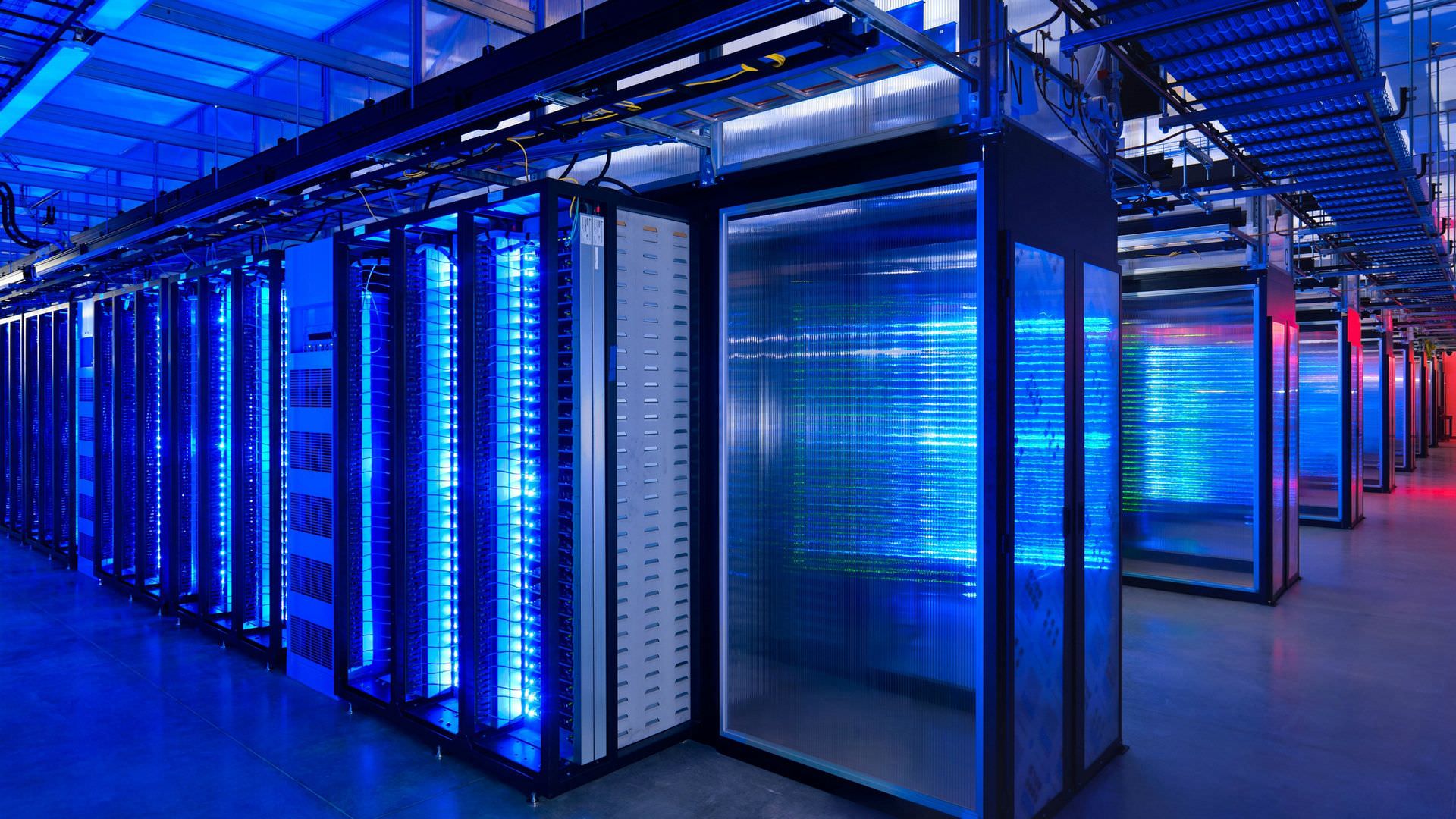
South Korea’s aspirations to lead in artificial intelligence have encountered a significant setback. The ambitious plan to bolster their AI capabilities with a new supercomputer has been stalled due to a shortage of AI chips, a direct consequence of the surging global demand for these high-end components.
Across the globe, countries and corporations are racing to enhance their AI computing infrastructure, leading to an unprecedented strain on supply chains. The intense competition to secure these vital AI chips has become a formidable challenge for many, South Korea included. This technologically advanced nation had set its sights on taking the lead in the AI sector with its “Supercomputer No. 6” project, but unexpected delays have thrown a wrench in these plans.
Local media reports that the launch of this critical project has been pushed back to 2026 due to difficulties in acquiring the necessary AI hardware. With existing supercomputers operating at nearly full capacity, this delay has placed a significant strain on the nation’s computing resources, creating what some are calling a “computing crisis.”
The supercomputer project, with an estimated cost of around 2.9 trillion won (approximately $2 billion), is one of the largest undertakings in South Korea. Its goal is to provide AI computing power to a wide range of researchers and professionals. However, soaring global demand has not only made AI chips scarce but has also driven up their prices significantly. This has forced organizations to reassess their strategies to accommodate rising financial burdens.
Despite these hurdles, the AI sector continues to experience robust growth. Tech companies worldwide are heavily investing in their AI capabilities, which will likely continue to benefit manufacturers specializing in AI hardware, such as NVIDIA and AMD. Furthermore, with countries like the US and several Middle Eastern nations prioritizing AI development as a matter of national interest, significant financial investments are expected to flow into the sector, further increasing demand and competition for critical resources.