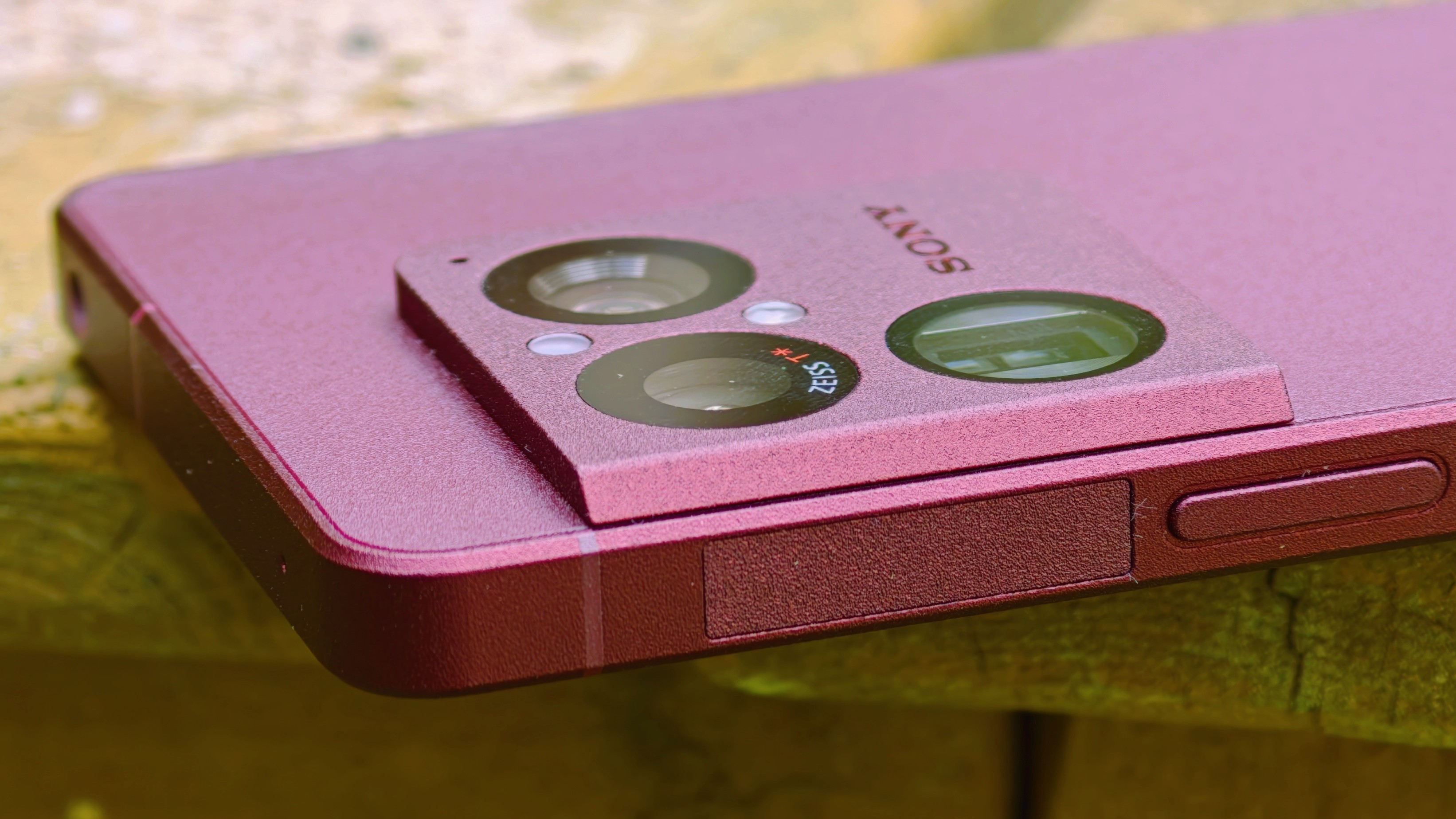
Sony Xperia 1 VIII Video Test: Strong Colors and Stabilization, but Autofocus Needs Work
Sony’s latest flagship smartphone is aimed squarely at creators who want premium camera hardware in a compact mobile device. With pricing in Europe currently starting at around €1,500, expectations are understandably high, especially when it comes to video recording performance.
One of the major selling points of the Xperia 1 VIII is its ability to record UHD video at up to 120 frames per second across all focal lengths. That gives users plenty of flexibility, whether they are shooting wide-angle landscapes, standard footage, portraits, or zoomed-in scenes. However, there is one important limitation: real-time autofocus tracking is only available when recording in 4K at 30 frames per second.
For that reason, the 4K30 mode is especially important for everyday video use. It is the setting many users will rely on when they want a balance of sharp footage, smooth subject tracking, and strong image quality. In this test, the Xperia 1 VIII was evaluated mainly in UHD at 30 fps, with a focus on video quality, stabilization, zoom performance, and autofocus behavior.
The footage was recorded using several zoom levels, including 0.7x, 1x, 2x, 2.9x, and 5.8x. This makes it possible to see how well Sony’s camera system handles different focal lengths and whether the transition between lenses feels smooth enough for serious mobile videography.
In terms of color reproduction, the Xperia 1 VIII makes a strong impression. Videos look natural, balanced, and pleasing without appearing overly processed. Sony’s approach to color tuning gives the footage a more realistic look, which many users may prefer over the heavily saturated style found on some competing smartphones.
Stabilization is another highlight. Handheld footage appears steady and controlled, making the Xperia 1 VIII useful for casual recording, travel videos, city walks, and quick handheld clips. Even when moving between different shooting situations, the phone manages to keep the image relatively smooth.
However, the experience is not flawless. One noticeable weakness is lens switching. Moving between zoom levels can feel a little abrupt, and the transition is not as seamless as expected from a high-end flagship smartphone. For users who frequently zoom while recording, this could be distracting, especially in scenes where smooth framing is important.
Autofocus performance is also a mixed bag. While the Xperia 1 VIII supports real-time autofocus tracking in 4K30, the actual results are not always convincing. In some clips, focus hunting is clearly visible, with the camera shifting back and forth before locking onto the subject. This can make footage look less polished, particularly when recording moving subjects or scenes with changing depth.
To put the performance into perspective, footage from the main camera of the Oppo Find X9 Ultra was also used for comparison. The Sony flagship stands out with its appealing colors and solid stabilization, but its autofocus behavior and lens transitions leave room for improvement.
Overall, the Sony Xperia 1 VIII delivers impressive video quality in several key areas. Its UHD recording options, attractive color science, and reliable stabilization make it a powerful tool for mobile video creators. At the same time, the jerky lens switching and inconsistent autofocus prevent it from feeling like a fully refined video flagship.
For buyers considering a premium Android phone for video recording, the Xperia 1 VIII has plenty to offer. But at its high price, users may expect smoother zoom transitions and more confident autofocus performance. Sony’s camera expertise is clearly visible here, but the software experience still needs a little more polish to match the ambition of the hardware.