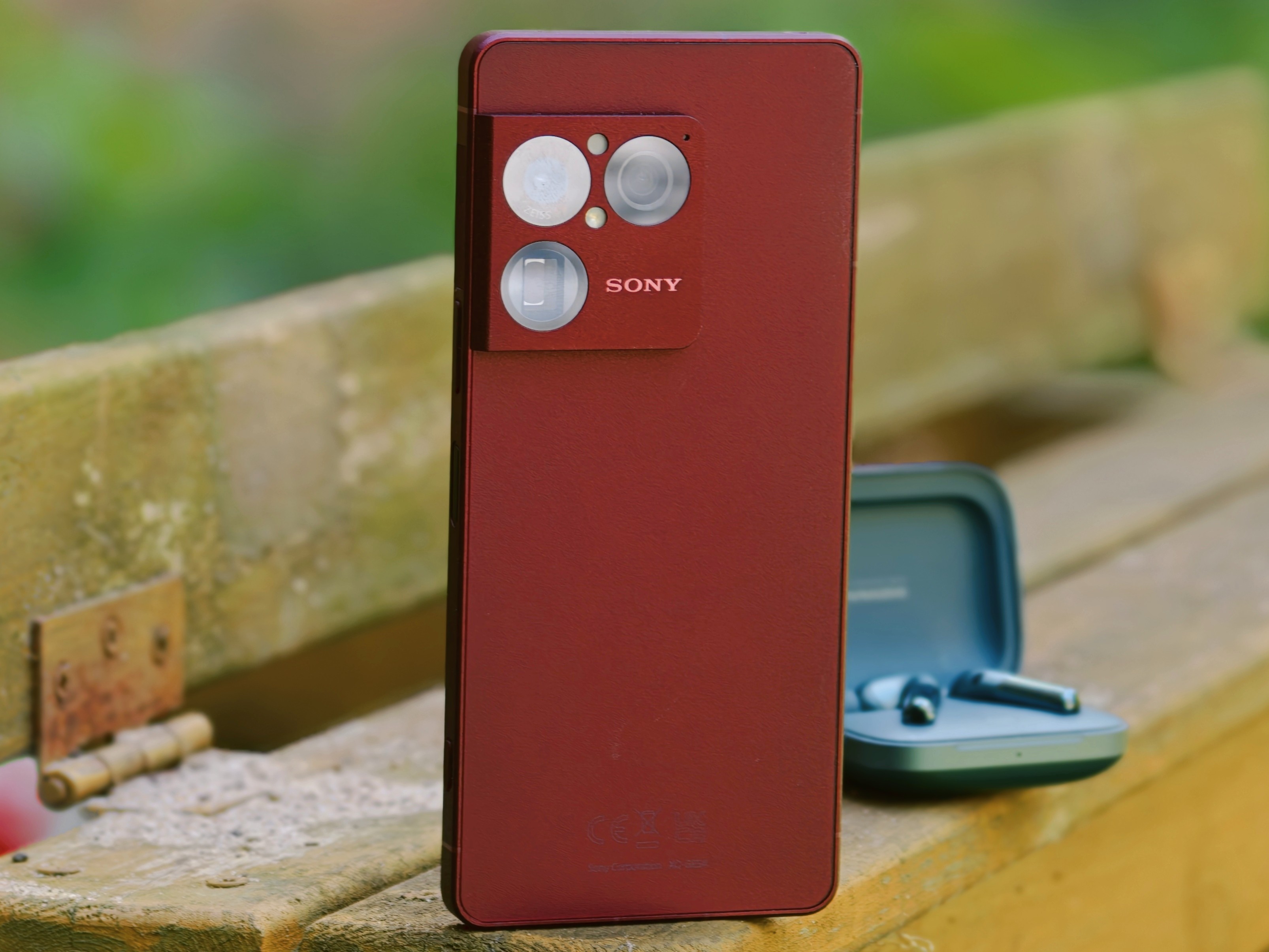
Sony Xperia 1 VIII Signals a Major Shift Away From the Brand’s Signature Flagship Identity
Sony appears to be taking its Xperia flagship line in a more mainstream direction, and the upcoming Xperia 1 VIII may be one of the clearest signs yet that the company is moving away from some of the features that once made its premium smartphones stand out.
For years, Sony’s Xperia 1 series appealed to a very specific group of smartphone users. These were buyers who valued unusual design choices, cinematic displays, advanced camera controls, and hardware features that most other Android flagships had abandoned. The Xperia identity was built around being different, not necessarily chasing the same trends as Samsung, Apple, Google, or Xiaomi.
But with the Xperia 1 VIII, Sony seems to be continuing a transition that began with its predecessor. Instead of doubling down on the unique formula that defined the series, the company appears to be refining the device into something more conventional.
One of the biggest changes already seen in the previous model was the move away from two of the Xperia line’s most recognizable traits: the 4K display and the tall, narrow 21:9 aspect ratio. These features helped give Sony flagship phones their distinctive character, especially for users who enjoyed watching cinematic content or preferred a slim, elongated design for multitasking.
By stepping away from those elements, Sony made the Xperia feel more familiar to the broader smartphone market. That may help attract new buyers, but it also risks disappointing long-time Xperia fans who valued the brand precisely because it did not follow the crowd.
Now, the Xperia 1 VIII appears to take that same approach even further. Sony is reportedly removing the optical zoom system with a continuously variable focal length, another feature that helped separate its camera setup from standard flagship phones. This variable zoom lens was one of the more ambitious camera technologies in the Xperia series, giving users more flexibility than a fixed telephoto lens.
Without it, the Xperia 1 VIII is expected to offer a more conventional camera arrangement. While the setup may still be capable and reliable, it reportedly uses relatively small sensors for a phone in this price class. That could make it harder for the device to compete against rival premium smartphones that now emphasize larger sensors, computational photography, and aggressive low-light performance.
This creates an interesting challenge for Sony. The Xperia 1 series has always been positioned as a high-end Android phone for users who want something different. But if the phone becomes more mainstream while still carrying a premium price, it needs to prove that its remaining strengths are enough to justify the cost.
Sony still has several legacy advantages that could appeal to dedicated fans. Xperia devices have often been praised for their clean design, manual camera controls, creator-focused features, and understated build quality. However, if the most distinctive hardware traits continue to disappear, the Xperia 1 VIII may struggle to stand apart in a crowded flagship market.
Another unusual decision involves the storage, memory, and color options. The highest-end version of the Xperia 1 VIII, reportedly offering 16 GB of RAM and 1 TB of internal storage, is said to be available only in gold. That is a surprisingly narrow choice for the most expensive configuration, especially for a premium smartphone aimed at enthusiasts and creators.
The absence of a 512 GB model also feels like a missed opportunity. Many flagship buyers want more than base-level storage but do not necessarily need or want to pay for a full 1 TB model. A 512 GB version would have offered a more balanced middle ground, particularly for users who shoot a lot of photos and videos but still want a wider choice of colors.
This kind of product strategy makes Sony’s current direction feel somewhat conflicted. On one hand, the company seems to be trying to make the Xperia 1 VIII more appealing to mainstream smartphone buyers by removing niche design elements. On the other hand, some of its configuration choices remain oddly restrictive and may limit its appeal to the very audience it hopes to reach.
The larger question is whether Sony can successfully reposition the Xperia 1 series without losing the loyal fan base that kept the lineup relevant. Moving toward a more traditional flagship design may make the phone easier to market, but it also places the Xperia 1 VIII in direct competition with some of the strongest Android phones available.
To succeed, Sony will need to offer more than just premium branding. The Xperia 1 VIII must deliver excellent camera quality, strong battery life, a bright and color-accurate display, smooth performance, and practical storage options. In today’s flagship smartphone market, being solid is not always enough. A high-end device needs a clear reason to be chosen over its rivals.
The Xperia 1 VIII may still turn out to be a polished and capable premium Android smartphone. But if Sony continues to remove the features that made Xperia phones unique, the company must be careful not to turn one of the most recognizable enthusiast smartphone lines into just another expensive flagship.
For now, Sony’s latest direction raises an important question: is the Xperia 1 VIII becoming more accessible, or is it losing the identity that made it special in the first place?