Solo Developer Builds a Walkable ASCII Cyberpunk City Inside a Single HTML File
In an industry often dominated by massive budgets, live-service roadmaps, and investor-driven decisions, a solo indie developer has delivered something refreshingly different: a cyberpunk city built entirely from ASCII characters.
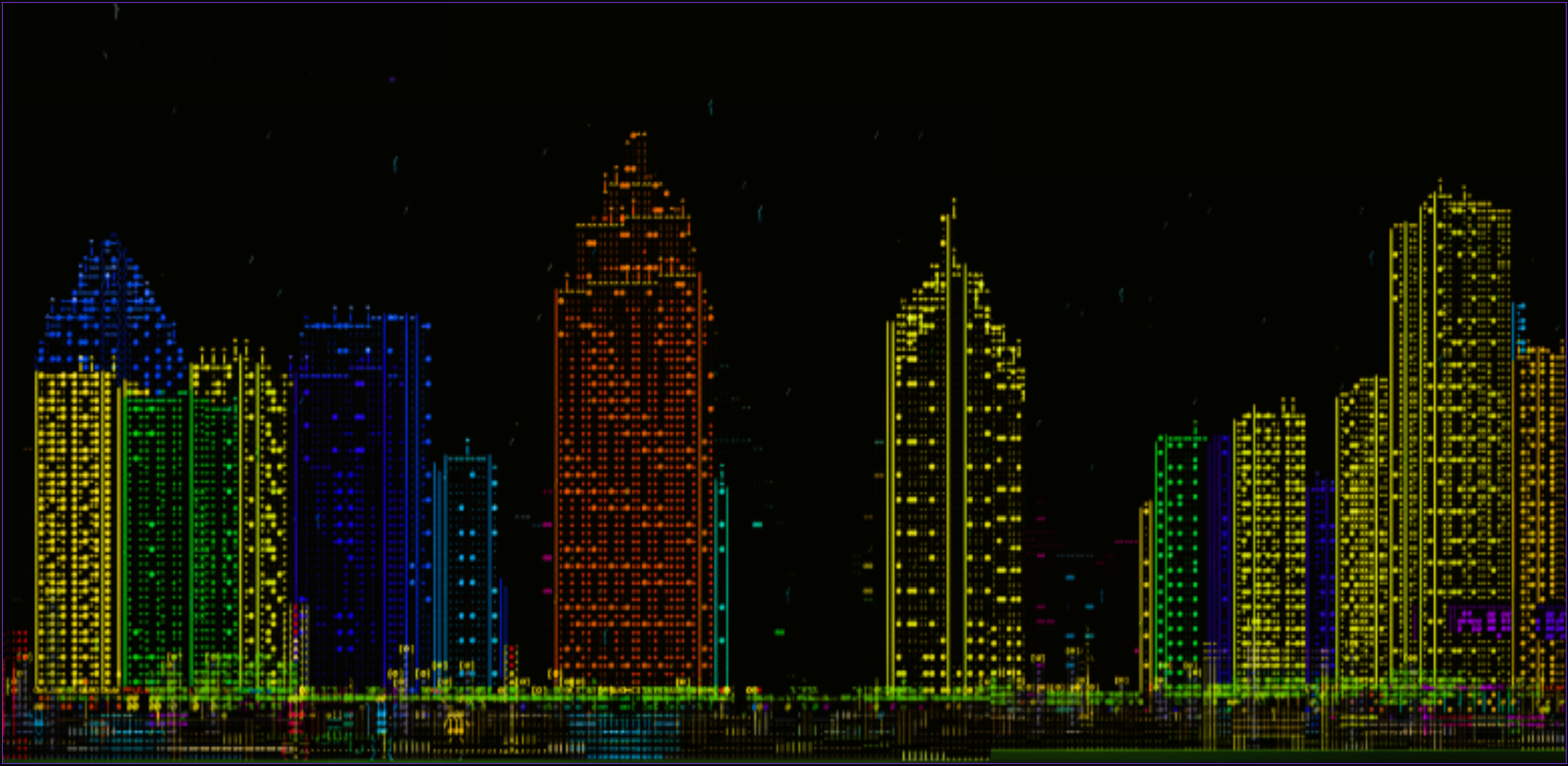
Created by Grow Now! Games, the project is called ASCII CITY Prototype 1, and it turns letters, numbers, and symbols into a fully walkable urban environment. Instead of realistic textures, cinematic lighting, or complex 3D models, the city comes to life through pure text-based visuals. The result feels like a strange and stylish blend of retro computing, classic cyberspace fantasy, and neon-soaked cyberpunk imagination.
The developer introduced the project in a video titled “A Walkable ASCII Cyberpunk City in One HTML File,” and the concept is just as unusual as it sounds. The entire experience runs from a single HTML file, yet it manages to create a convincing sense of scale, movement, and atmosphere. Buildings rise around the player, streets stretch into the distance, cars race through the city, and citizens move through the environment, giving the world a surprisingly active and lived-in feeling.
What makes the project stand out is its commitment to simplicity. Every visual element is made from ASCII symbols, but the city still feels three-dimensional. The shapes, spacing, and motion combine to create depth and structure, making the environment feel far more immersive than expected from a text-based presentation.
ASCII CITY Prototype 1 is currently focused on exploration rather than traditional gameplay systems. There are no missions, combat mechanics, or progression features yet. Instead, players are free to wander through the cyberpunk streets, step inside buildings, ride elevators, and explore different heights across the city.
That vertical design is one of the prototype’s most impressive features. The ability to move between floors and look out over the city helps the world feel larger and more believable. Recent updates have also improved the overall experience, including better visuals, smoother camera movement, increased view distance, and multi-story interiors with striking views of the ASCII skyline.
The project may be minimal in presentation, but it has a strong sense of identity. It captures the feeling of an underground cyberpunk experiment: raw, imaginative, and built around a bold creative idea rather than market trends. For fans of indie games, experimental game design, retro aesthetics, and cyberpunk worlds, ASCII CITY is the kind of project that immediately stands out.
Access to ASCII CITY Prototype 1 is available through the developer’s Ko-fi store. Supporters who contribute at least $2.50 can unlock the prototype and receive future updates. At the time the project was discussed, nearly 1,000 supporters had already purchased access, showing that there is real interest in this unusual text-based cyberpunk experience.
While the current version is still a prototype, the developer has shared ambitions for expanding it into a fuller game one day. Possible future additions include dialogue, resident interaction systems, and more ways to engage with the city beyond simply exploring it. The developer has also mentioned the possibility of opening part or all of the project in the future.
ASCII CITY Prototype 1 feels like a reminder of what indie development can be at its best: personal, inventive, and driven by curiosity. It does not need massive production values to be memorable. Its appeal comes from the strength of its idea, the atmosphere of its world, and the creativity behind turning simple symbols into an explorable cyberpunk city.
For anyone interested in experimental indie games, ASCII art, browser-based projects, or unique cyberpunk worlds, this solo-developed city is worth watching. What began as a passion project inside a single HTML file could grow into one of the most distinctive indie game experiments in recent memory.