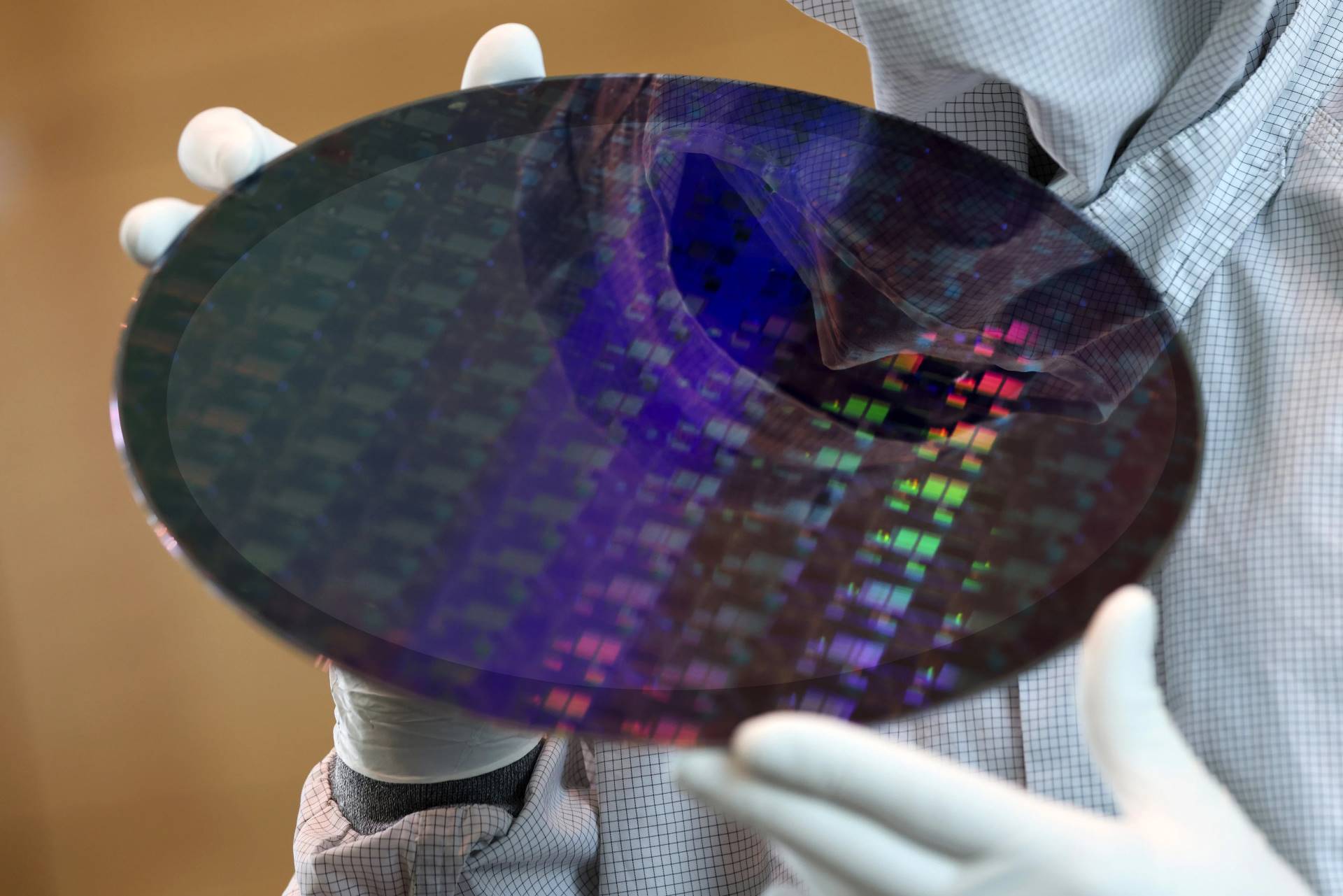
TSMC is running hot as demand for its most advanced nodes explodes, pushing production close to full tilt. The world’s leading foundry is reportedly nearing maximum capacity on its 3nm and 5nm lines, fueled by a rush of orders from mobile and high-performance computing customers—particularly those chasing the AI boom.
The surge is broad-based. On the mobile side, top-tier chips from Apple, MediaTek, and Qualcomm are centered on TSMC’s 3nm family, including the N3P process. Apple’s latest A-series silicon and upcoming M-class chips are part of that push, while reports also point to Qualcomm’s next-gen PC silicon tapping 3nm. In the data center and AI arena, next-wave accelerators such as NVIDIA’s Rubin series and AMD’s Instinct MI355X are expected to leverage the same class-leading node to meet performance-per-watt targets.
With 3nm capacity projected to be fully booked through next year, supply is tightening to the point that big buyers increasingly view advanced wafers as a scarce resource. That scarcity is already shaping strategy. Industry chatter suggests some customers are locking in capacity far ahead of schedule, and there are rumors that Apple has secured a notable slice of 2nm production before ramps begin. The 5nm family remains heavily subscribed as well, serving as a workhorse node for a wide range of smartphones, servers, and AI-adjacent products.
Tight supply often leads to higher costs, and TSMC may have to adjust pricing as it expands capacity and invests in new sites. The company’s 3nm production is expected to arrive in Arizona, a move that demands significant capital and could influence wafer pricing. At the same time, governments and major tech companies are pushing to diversify advanced chip manufacturing geographically to ease the industry’s reliance on Taiwan-based production.
What this means for the market:
– Expect longer lead times and fierce allocation for 3nm products as mobile, PC, and AI projects compete for the same lines.
– Pricing pressure could rise for advanced nodes as capex climbs and capacity remains tight.
– Ecosystem planning will move earlier in the calendar, with pre-booking and long-term agreements becoming more common.
– The transition to 2nm will be closely watched as top buyers race to lock in early capacity for next-generation devices and accelerators.
Bottom line: AI is turbocharging demand across the semiconductor stack, and TSMC’s 3nm and 5nm processes are at the center of it. With capacity nearing the limit and next-gen nodes already attracting pre-orders, the battle for cutting-edge wafers is only intensifying.