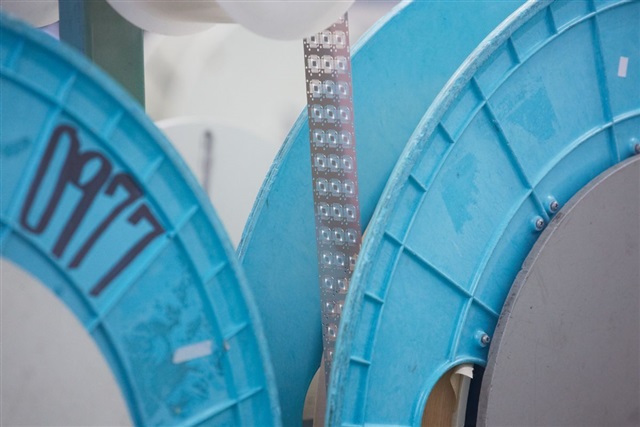
After four years of steady pricing, Taiwan’s top three lead frame manufacturers are rolling out broad-based price increases, citing a sharp run-up in gold, silver, and copper costs that has pushed production expenses higher. The move underscores how commodity volatility is rippling through the semiconductor packaging chain and could translate into higher device costs if the trend persists.
Lead frames are the metal skeletons that sit at the heart of many integrated circuit packages, providing both mechanical support and electrical pathways between the chip and the outside world. Copper forms the core of most lead frames, while precious metals like silver and gold are used in plating and bonding processes to ensure signal integrity and corrosion resistance. When the prices of these metals surge, the bill of materials quickly follows—especially at the scale required by high-volume electronics manufacturing.
Why the price hikes matter
– Semiconductor packaging costs can be a significant portion of total chip production expenses, particularly for mature nodes and high-volume parts like QFP, QFN, SOP, and other leaded packages.
– Higher lead frame prices can flow upstream to outsourced semiconductor assembly and test (OSAT) providers and downstream to device makers in consumer electronics, automotive, industrial controls, and IoT.
– With metals representing a material share of unit cost, sustained commodity inflation can pressure margins, drive contract renegotiations, or prompt redesigns to optimize material use.
What buyers and supply chain teams should expect
– Updated quotations and shorter validity windows as suppliers manage commodity risk.
– Potential surcharges or adjustments tied to metal indices to reflect ongoing price moves.
– Tighter coordination on forecasts, lead times, and minimum order quantities as manufacturers balance capacity and cost exposure.
Practical steps to mitigate the impact
– Explore multi-quarter or annual agreements with indexed clauses that share upside and downside fairly as metal prices move.
– Review plating thickness specifications and consider engineering changes that maintain reliability while reducing metal consumption where feasible.
– Qualify alternative package types or materials where performance and certification requirements allow.
– Diversify the approved vendor list to improve flexibility while maintaining quality and compliance.
– Enhance demand visibility to suppliers to secure scheduling priority and reduce expedite fees.
Broader implications for the electronics industry
– Consumer devices: Entry-level and midrange products that rely heavily on mature packaging may feel cost pressure first, especially in categories with tight margins.
– Automotive and industrial: Long qualification cycles can slow design changes, increasing the likelihood that cost increases pass through to end products over time.
– Supply chain planning: Budgeting for 2025 production runs may need to incorporate higher packaging line-item costs, particularly if metal prices remain elevated.
What could change the outlook
– If gold, silver, and copper prices stabilize or retreat, pricing pressure could ease in subsequent quarters.
– Productivity gains, material utilization improvements, or redesigns could offset some of the cost increases.
– Conversely, continued volatility in metals or energy could prompt additional adjustments as manufacturers protect against margin erosion.
Key takeaways for decision-makers
– This is the first sweeping price move from Taiwan’s leading lead frame producers in four years, highlighting a notable shift in input costs.
– The root cause is clear: surging prices for gold, silver, and copper are inflating manufacturing expenses across plating and bonding processes.
– The ripple effects could reach multiple tiers of the electronics supply chain, making proactive planning essential.
As the market recalibrates to higher metal costs, the most resilient teams will be those that combine technical agility—through design and materials optimization—with commercial discipline in sourcing, forecasting, and contract strategy. Monitoring commodity trends and maintaining close communication with packaging partners will be critical to navigate the months ahead while keeping product roadmaps and unit economics on track.