Qualcomm Snapdragon 8 Elite Extreme Gen 6 leak reveals 2nm chip specs, Geekbench scores, and upgraded cooling design
Qualcomm’s next flagship mobile processor has appeared ahead of its official debut, and the early details suggest a major performance push for premium Android phones. Just one day before the Snapdragon Summit, a Chinese content creator showed an engineering prototype powered by what is claimed to be Qualcomm’s first 2nm smartphone chip, the Snapdragon 8 Elite Extreme Gen 6.
The leak offers a closer look at the chipset’s CPU layout, clock speeds, Geekbench 6 performance, and a new packaging design aimed at improving thermal control. If these early results are accurate, Qualcomm is preparing one of its most aggressive mobile silicon upgrades in years.
One of the biggest changes is the CPU configuration. The Snapdragon 8 Elite Extreme Gen 6 reportedly uses a new “2 + 3 + 3” cluster design. That includes two high-performance cores running at up to 5.10GHz, three cores clocked at 4.00GHz, and three additional cores operating at 3.74GHz.
This marks a notable shift for Qualcomm, which has not made such a significant change to its flagship CPU layout in quite some time. The move may be linked to the chip’s expected use of TSMC’s advanced 2nm N2P manufacturing process. A smaller and more efficient node can allow higher clock speeds, improved power efficiency, and better overall performance when paired with the right thermal solution.
The leaked Geekbench 6 results show that the Snapdragon 8 Elite Extreme Gen 6 engineering prototype is already delivering impressive numbers. The chip reportedly scored 4,327 points in single-core performance and 12,873 points in multi-core performance.
That puts Qualcomm’s upcoming flagship processor in direct competition with Apple’s A20 Pro. However, the comparison is mixed. Apple’s A20 Pro still appears to lead in single-core performance, with a reported score of 4,725 points. That makes it around 9.2 percent faster than Qualcomm’s leaked prototype in this specific category.
In multi-core performance, the Snapdragon 8 Elite Extreme Gen 6 appears to edge ahead, scoring 12,873 points compared to the A20 Pro’s 12,575 points. While the difference is not huge, it suggests Qualcomm may be focusing heavily on multi-threaded workloads such as gaming, video editing, AI processing, multitasking, and other demanding mobile tasks.
Still, there is an important detail to keep in mind. Engineering prototypes often run under different conditions than retail smartphones. They may have higher power limits, more aggressive cooling, or firmware tuned for early testing rather than everyday efficiency. Because of that, final consumer devices using the Snapdragon 8 Elite Extreme Gen 6 may deliver slightly different Geekbench 6 results.
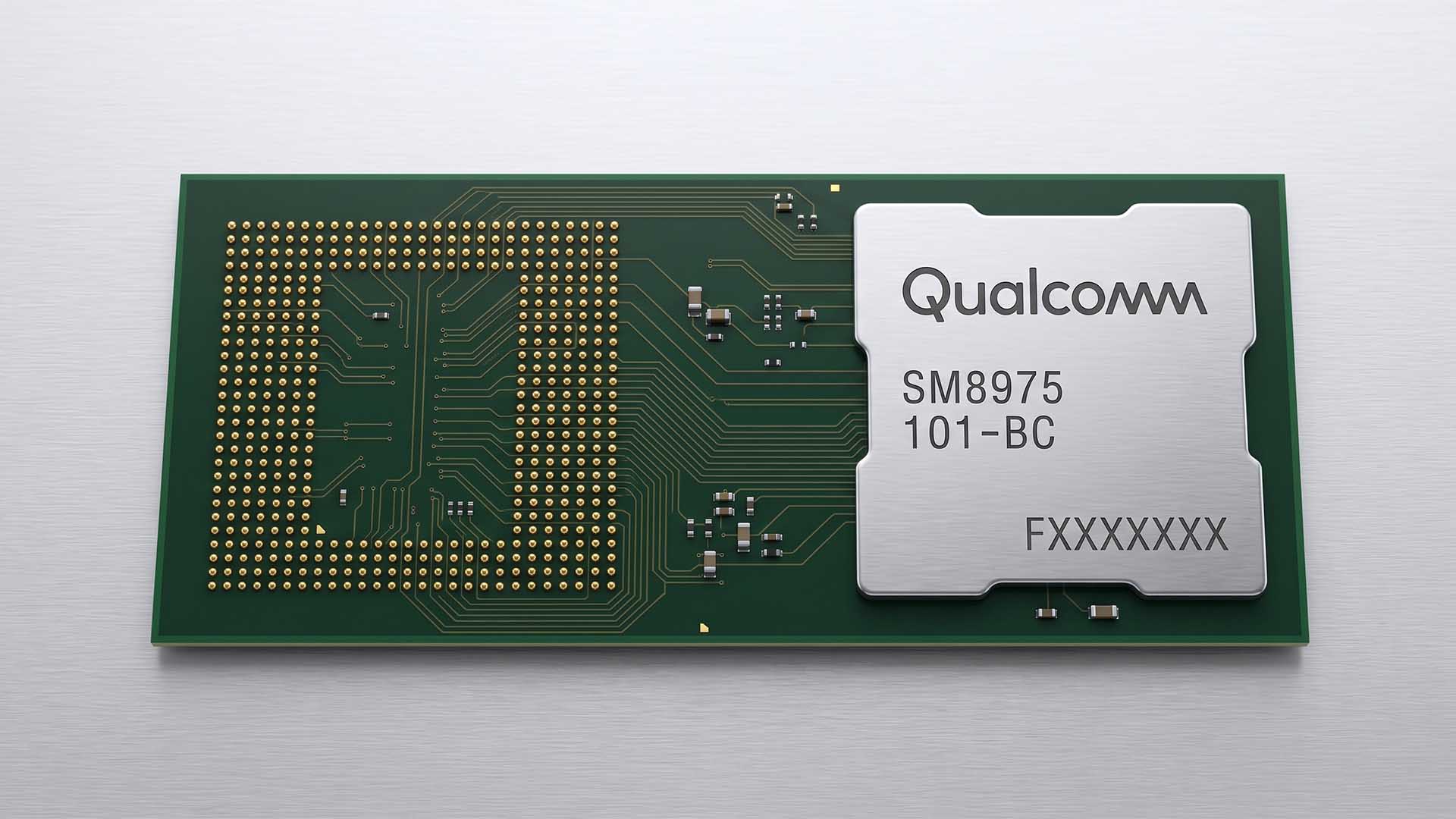
The leak also highlights Qualcomm’s new chip packaging approach. The prototype appears to include a visible thermal component described as a Heat Pass Block. This design works like a small heatsink, helping transfer heat away from the system-on-chip more efficiently.
Thermals are becoming increasingly important in flagship smartphones. Modern mobile processors can deliver laptop-class burst performance, but keeping that speed stable over longer periods is a major challenge. Better heat transfer can help reduce throttling, improve gaming performance, and maintain smoother operation during extended workloads.
Qualcomm’s decision to improve the thermal design suggests that the company is not only targeting higher peak benchmark scores but also better sustained performance. This could be especially important for Android flagship phones that rely on the Snapdragon 8 Elite Extreme Gen 6 for high-end gaming, generative AI features, advanced camera processing, and heavy multitasking.
Another interesting detail from the leak is the placement of the memory. The Samsung DRAM is still positioned on top of the Snapdragon 8 Elite Extreme Gen 6 package. Apple has taken a different approach with the A20 Pro by placing memory at the side, which may offer certain thermal or layout advantages. It remains to be seen whether Qualcomm’s design choice will affect heat management or real-world performance in shipping devices.
For now, the Snapdragon 8 Elite Extreme Gen 6 appears to be shaping up as a major step forward for Qualcomm’s mobile chip lineup. The combination of a 2nm manufacturing process, a revised CPU cluster, ultra-high clock speeds, stronger multi-core results, and upgraded packaging could make it one of the most powerful Android smartphone processors yet.
The timing of the leak also adds to the excitement. With the Snapdragon Summit set to begin imminently, Qualcomm is expected to reveal the official specifications, performance claims, AI capabilities, GPU improvements, and partner devices soon. The leaked prototype gives an early preview, but the full picture will become clearer once Qualcomm shares final details.
Based on what has surfaced so far, the Snapdragon 8 Elite Extreme Gen 6 may not completely dethrone Apple in single-core performance, but it could challenge or surpass the A20 Pro in multi-core workloads. More importantly, the improved thermal design may help future Android flagships deliver stronger sustained performance where it matters most: real-world use.