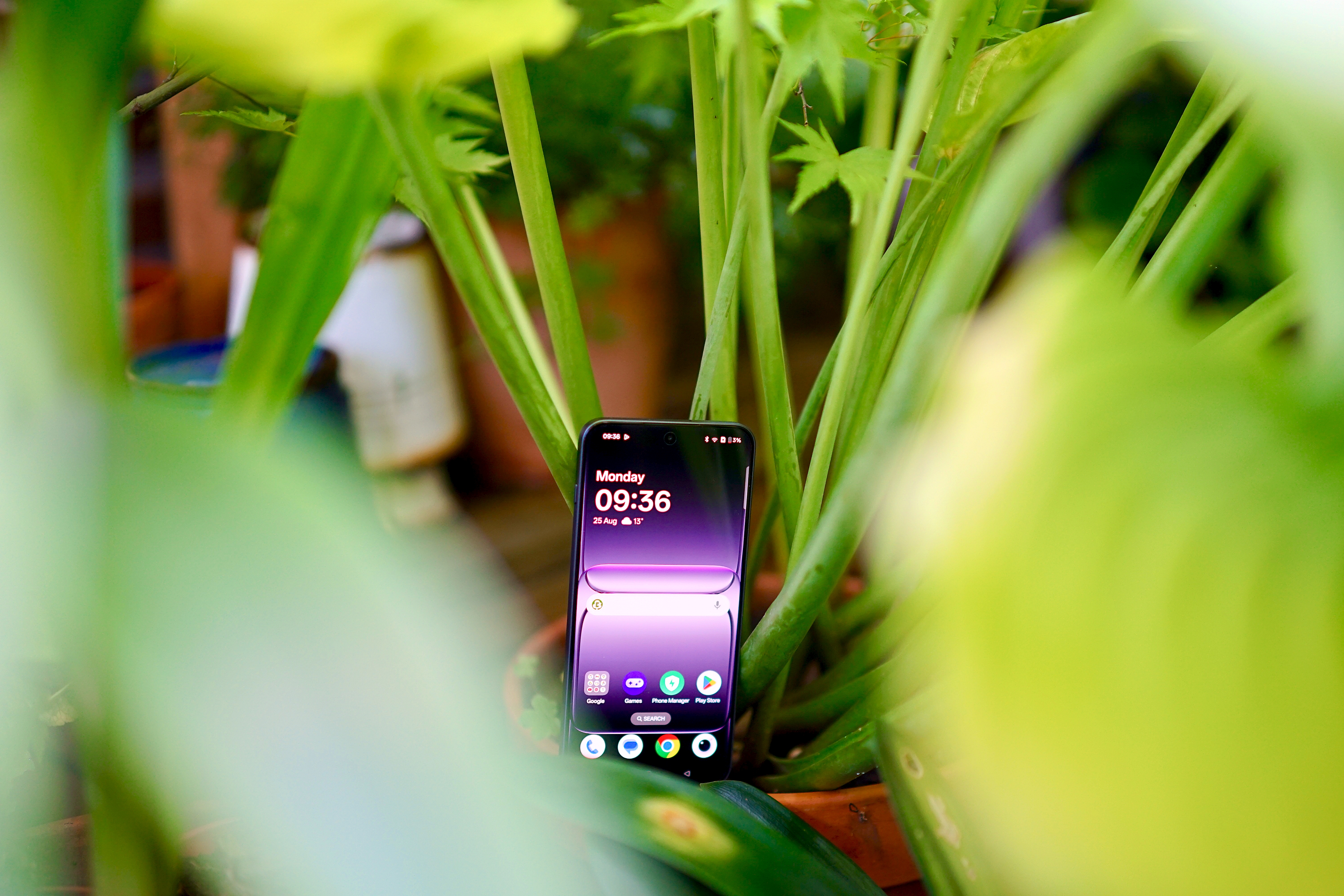
Remember when every new phone felt like a leap forward? Lately, many launches feel more like a sidestep—and sometimes even a step back. Smartphone shrinkflation is real: you’re getting less (or not much more) for the same price. The OnePlus Nord 5 is a timely example of how a sluggish global economy is reshaping what mid-range buyers can expect, illustrating a broader market trend rather than a single brand’s misstep.
What smartphone shrinkflation looks like
Just as groceries quietly shrink while prices hold steady, phones can be trimmed in ways that aren’t obvious at first glance. Across the industry, here’s what consumers are increasingly encountering:
– Minimal year-over-year performance gains that don’t feel faster in day-to-day use
– Subtle component swaps, such as different camera sensors or lower-quality lenses
– Charging speeds that aren’t improved—or are even reduced compared to last gen
– Slightly dimmer displays or lower peak brightness, especially in direct sunlight
– Less premium materials or fewer durability extras to cut costs
– Fewer accessories in the box, sometimes no charger or case
– Software support that’s unchanged when buyers expected an upgrade in longevity
Why it’s happening
Economic headwinds have changed the calculus for phone makers. Several pressures converge to limit how much value can be added without hiking prices:
– Component costs, from displays to image sensors and batteries, remain volatile
– Currency fluctuations and inflation eat into margins across different regions
– Supply-chain constraints push brands to pick safer, more readily available parts
– Higher costs for research, compliance, and sustainability initiatives
– The mid-range market is intensely competitive, pushing companies to hold the line on sticker prices—often by trimming elsewhere
How the OnePlus Nord 5 fits into the story
The OnePlus Nord line has long targeted the sweet spot between affordability and performance. With the Nord 5, the conversation many shoppers are having isn’t just about shiny new features—it’s about whether the overall experience feels meaningfully better for the same money. That makes it a helpful lens on the wider trend: when the price tag stands still, the real question becomes where the compromises are made and whether they matter to you.
What to check before you buy
If you’re comparing a new mid-range phone with its predecessor—or with last year’s flagship—look beyond the headline processor and megapixels. Run through this quick checklist to spot shrinkflation and protect your value:
– Performance and storage: Compare benchmarked performance, RAM type, and storage speed (e.g., UFS versions). Fast storage and memory can matter more than minor CPU gains.
– Display quality: Look at peak brightness, color accuracy, PWM dimming behavior, and refresh rate. A 120 Hz label is less meaningful if brightness drops outdoors.
– Camera hardware: Check sensor sizes, pixel binning, optical stabilization, and lens quality—not just megapixels. Watch for downgraded ultrawide or macro sensors.
– Battery and charging: Note battery capacity, charging wattage, and heat management. A lower wattage or smaller cell can reduce real-world flexibility.
– Build and durability: Materials, frame rigidity, glass protection, and IP rating add long-term value. Cost cuts here can show up months later as wear and tear.
– Connectivity and extras: Wi‑Fi standard, Bluetooth version, 5G band support, eSIM, NFC, stereo speakers—small omissions can be dealbreakers for some users.
– Software support: Years of OS upgrades and security patches are crucial. A longer support window can outweigh a small spec bump.
– In-box items: If the charger or case now costs extra, factor that into the real price.
Smart ways to stretch your budget
You still have leverage as a buyer. A few strategies can restore real value without overspending:
– Compare directly with the previous model and with last year’s flagship—discounted flagships often beat new mid-range phones on cameras and build.
– Wait for early-bird promos or seasonal deals; mid-rangers frequently drop in price within weeks.
– Prioritize what you actually use: If you shoot a lot of photos, camera hardware matters more than a tiny CPU bump.
– Consider certified refurbished or lightly used options for top-tier hardware at mid-range prices.
– Verify regional specs; some markets quietly get different sensors, charging speeds, or fewer bands.
The bottom line
The OnePlus Nord 5 underscores a shift buyers can’t ignore: in today’s economy, holding the same price often means hidden trade-offs. That doesn’t make new mid-range phones bad purchases—it means you should judge them by total experience and long-term value, not just the launch hype. If you compare carefully, weigh software support, and factor in the true cost with accessories, you can still land a phone that feels like an upgrade without paying a premium for minor changes.
In a year where progress can be incremental, the smartest upgrade is choosing the device that gives you the right gains where you’ll actually notice them—battery life that lasts your day, a camera that nails your memories, a display you can see in sunlight, and software support that keeps your phone secure. That’s how you beat smartphone shrinkflation.