Xiaomi and Huawei Could Bring Faster LLW Memory to Smartphones in 2027
Smartphone performance has advanced rapidly in recent years, but memory bandwidth remains one of the biggest hurdles for truly powerful on-device AI. A new rumor suggests that Chinese smartphone makers, including Xiaomi and Huawei, may be preparing a custom memory solution called Low Latency Wide DRAM, or LLW, for future flagship devices.
According to information shared by Weibo tipster Fixed-focus digital cameras, the chances of seeing this faster mobile memory technology in 2026 are slim. However, the second half of 2027 is said to be a more likely window for its arrival.
LLW is reportedly designed to solve a major limitation found in today’s LPDDR memory used in smartphones. While current LPDDR5X memory is fast and efficient, it may not be enough for the next generation of AI-heavy mobile experiences. As phones become more dependent on local AI processing, faster memory will be essential for running large AI models directly on the device without relying on cloud servers.
High Bandwidth Memory, better known as HBM, is already used in high-performance computing and advanced AI hardware, but bringing it to smartphones is extremely difficult. The limited internal space inside a phone makes complex memory packaging challenging, and heat management becomes another major issue. Because of these restrictions, true HBM is not considered practical for most smartphones right now.
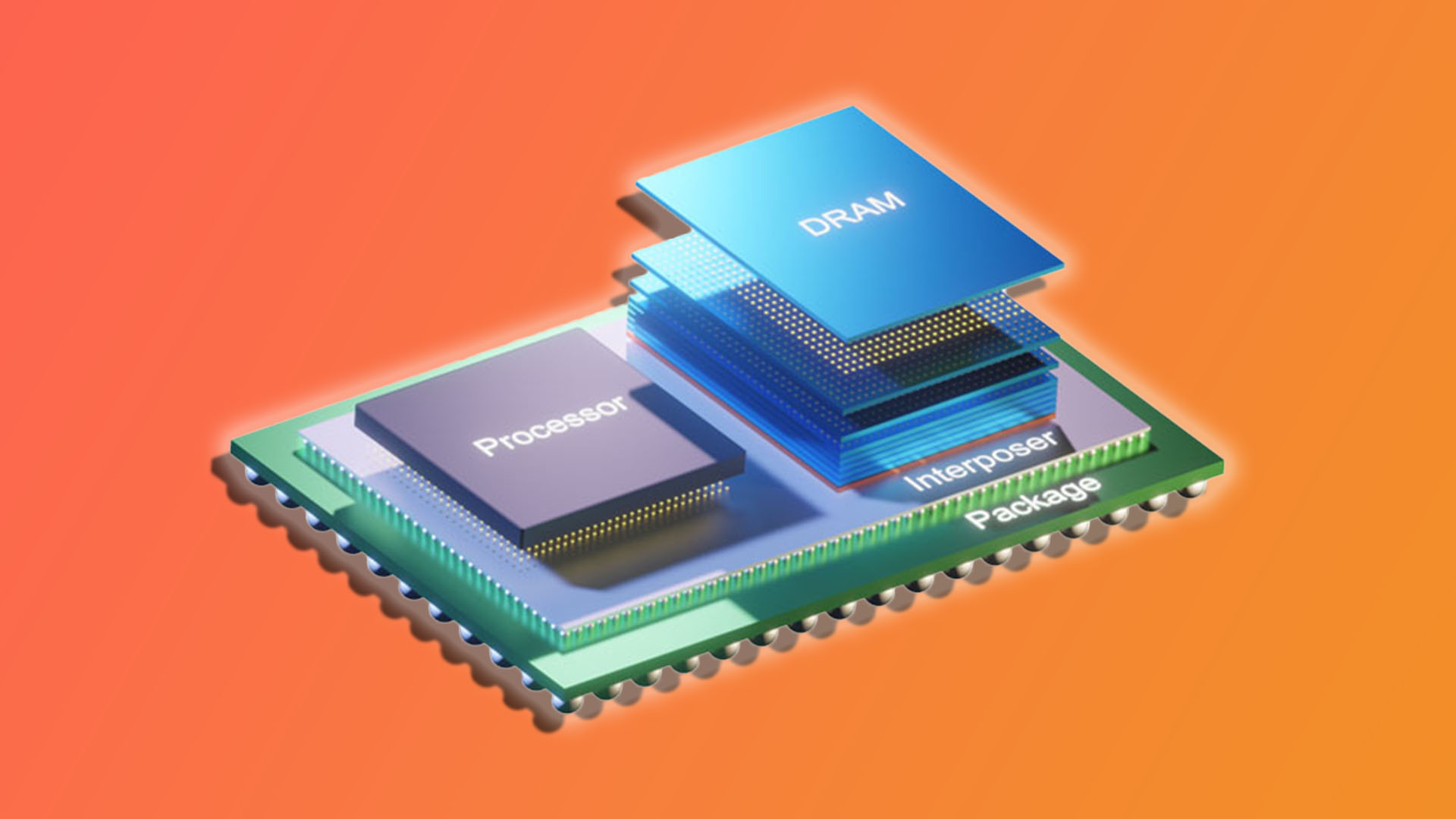
That is where LLW could come in. The rumored memory design is said to use an integrated structure inspired by HBM, but it is not described as true HBM. Instead, it appears to be a customized mobile-focused solution that aims to deliver higher bandwidth, lower latency, and better power efficiency in a form factor suitable for smartphones.
The rumor claims that LLW could offer up to 1.5 times better performance while reducing power consumption by 50 percent. The exact comparison point was not specified, but it is likely being measured against existing LPDDR5X memory. If accurate, this would be a major upgrade for future Android flagship phones, especially those built around AI performance.
This kind of improvement could have a big impact on mobile chipsets. Smartphone processors are already gaining faster Neural Processing Units, or NPUs, which handle AI tasks such as image generation, voice recognition, real-time translation, intelligent photo editing, and personal assistant features. However, even the fastest NPU can be limited if the system memory cannot move data quickly enough.
Faster DRAM would help reduce bottlenecks and allow AI features to run more smoothly on the device. It could also improve gaming, camera processing, multitasking, and power efficiency. For users, that may mean faster app responses, better battery life, improved AI tools, and more advanced features that do not require an internet connection.
Huawei has previously been rumored to be exploring HBM-style memory for smartphones, while Apple has also been linked to future iPhone models with more advanced memory technology. Samsung is believed to be working on dedicated HBM solutions for mobile devices using advanced packaging methods, but these approaches are complicated and may take time to become widely available.
Meanwhile, Qualcomm is also rumored to be working with Chinese memory manufacturers on 3D DRAM technology for NPUs. If this development moves forward, it could help reshape future Snapdragon platforms by giving AI processors faster access to memory.
For now, LLW remains a rumor, and there is no official confirmation from Xiaomi, Huawei, or other smartphone manufacturers. Still, the idea fits the direction the mobile industry is heading. As AI becomes a central feature of premium smartphones, memory performance will be just as important as CPU, GPU, and NPU upgrades.
If Xiaomi and Huawei successfully introduce LLW memory in the second half of 2027, it could mark a major step forward for Android flagship phones and on-device AI performance. The technology may not be true HBM, but it could offer a practical way to bring HBM-like benefits to smartphones without the same space, heat, and packaging challenges.