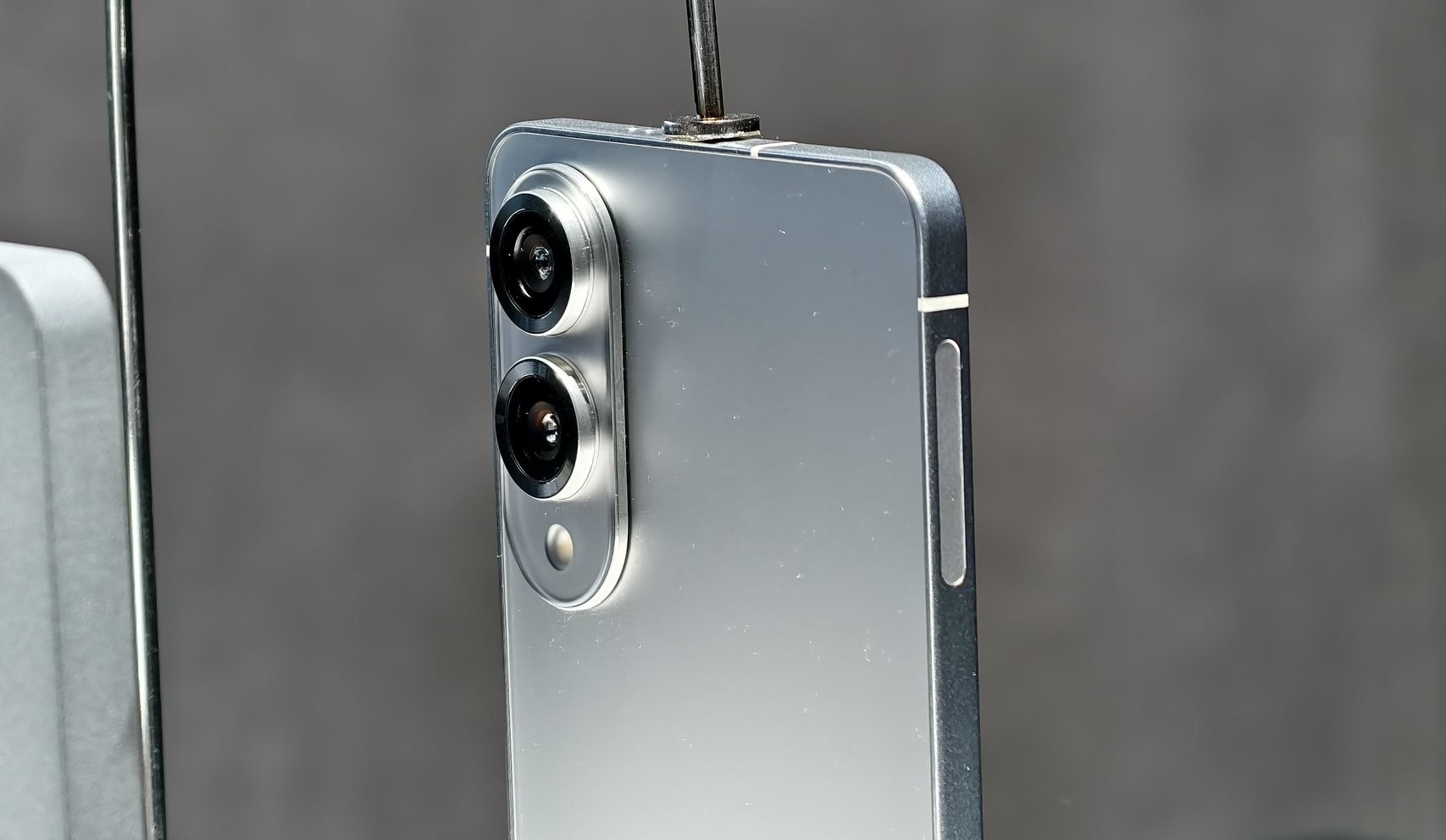
The Galaxy S25 Edge, a marvel of design from Samsung, is making waves even before its official release. Expected to debut in April 2025, this ultra-slim smartphone promises to be one of the most aesthetically pleasing devices of the year. However, its svelte design comes with a trade-off: reduced battery capacity and charging speeds, as confirmed by recent 3C certification details.
While Samsung’s innovative design captures attention, the Galaxy S25 Edge has to settle for a 3,900mAh battery and a maximum charging speed of 25W. This is slightly less than the base Galaxy S25, which comes equipped with a 4,000mAh battery. These compromises are necessary to achieve the device’s exceptionally thin profile, but they highlight a broader issue: Samsung has not yet embraced the state-of-the-art silicon-carbon battery technology that many of its competitors now utilize.
Chinese smartphone manufacturers, for instance, are leading the charge with battery capacities exceeding 6,000mAh thanks to silicon-carbon cells. As rumors suggest, both Samsung and Apple are working towards adopting this technology in future devices. If the Galaxy S25 Edge were to incorporate silicon-carbon batteries, it could potentially offer a 5,000mAh capacity, aligning better with consumer expectations.
In terms of performance, the Galaxy S25 Edge packs the faster version of Qualcomm’s Snapdragon 8 Elite processor, with performance cores reportedly clocked at 4.47GHz. However, despite this power, its multi-core benchmark scores are lackluster, possibly due to software optimization issues or limitations imposed by its thin design.
For prospective buyers, it’s crucial to note that while the Galaxy S25 Edge shines with its stylish design and powerful processor, it may not provide the same battery life or charging speed as other models. This trade-off might be a deal-breaker for those prioritizing performance over aesthetics. Nonetheless, the Galaxy S25 Edge remains an exciting option for those enamored by cutting-edge design.