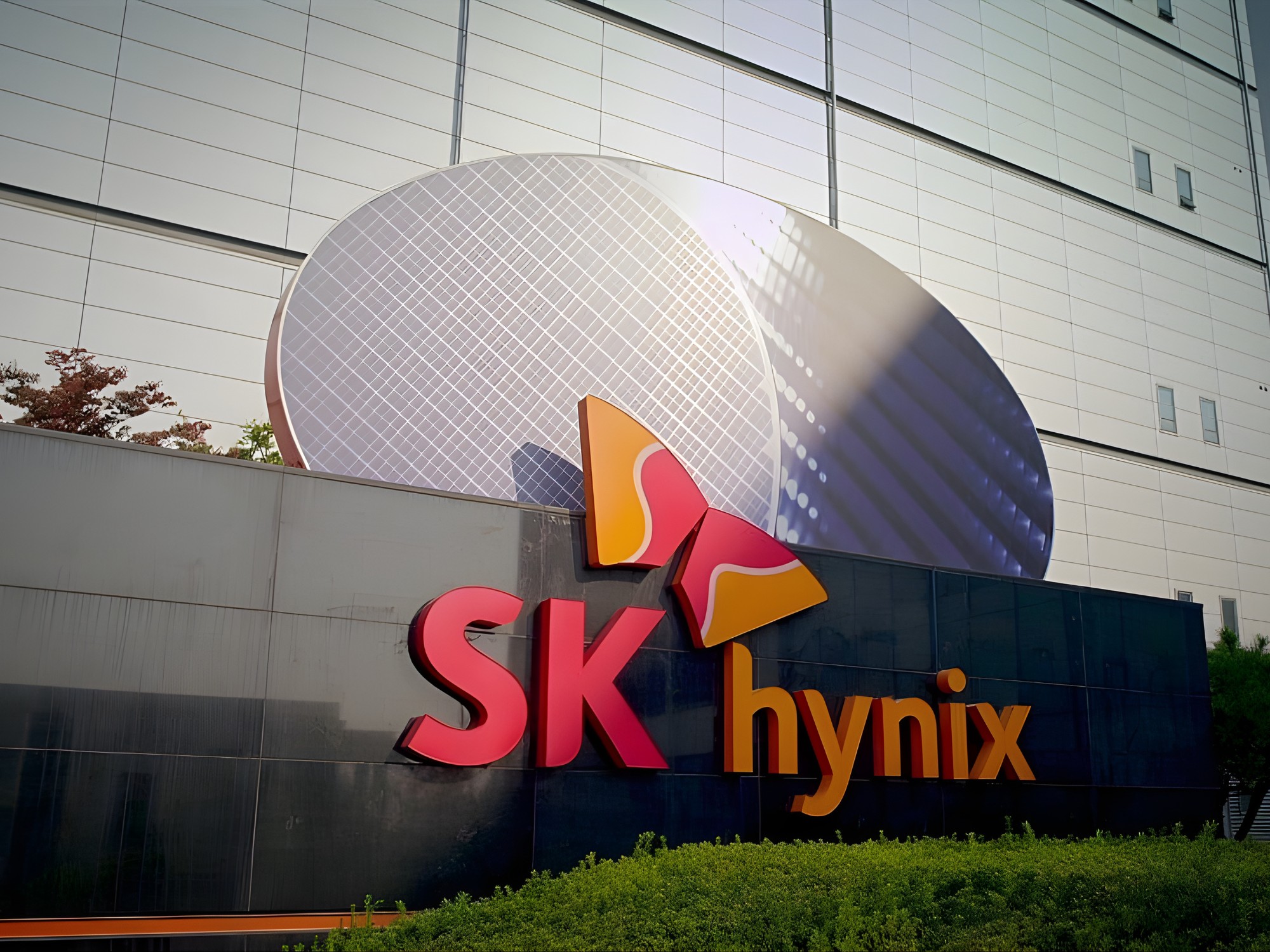
Apple and other major tech names are going to unusual lengths to secure one of the most important components in modern devices: memory. With the global memory crunch showing little sign of easing, the fight for RAM and related chips is no longer happening only through emails and conference calls. It’s increasingly happening in person, right outside the gates of South Korea’s biggest semiconductor plants.
Industry reports describe smartphone and laptop makers visiting factories day after day as they try to lock down supply. Apple is said to be among the most aggressive, with executives reportedly staying in hotels near the production sites of Samsung and SK Hynix. The goal is simple: be close enough to negotiate quickly, apply pressure where it counts, and secure long-term access to components that are suddenly far harder to get at a reasonable price.
The urgency comes from a dramatic jump in memory costs. PC builders have reportedly seen prices climb as much as 300% since mid-2025, and the ripple effects are spreading across consumer electronics. Apple, like other phone manufacturers, relies heavily on LPDDR5X RAM for its iPhone lineup. If these costs remain elevated, consumers could end up facing higher smartphone prices, or devices that ship with less memory than expected in order to keep retail pricing under control.
The situation is also creating unlikely winners. Hotels and surrounding businesses near major chip facilities are reportedly benefiting from executives and procurement teams essentially living on-site for extended periods. Instead of a quick factory tour followed by remote negotiations, some companies appear to be treating proximity as a strategy—staying nearby to keep conversations active and increase the odds of landing favorable terms.
Apple’s apparent focus is on multi-year commitments, with reports suggesting it wants contracts lasting two to three years to stabilize supply and pricing. But suppliers may have reasons to hesitate. With demand from AI data centers driving much of today’s memory pressure, memory makers could be wary of committing too much capacity too far out if that demand softens faster than expected. Even so, many analysts believe meaningful relief may not arrive until 2027 or 2028, keeping pressure on both manufacturers and consumers for the foreseeable future.
Apple isn’t alone in this factory-side approach. Dell is also reportedly positioning teams near the same South Korean plants, while major cloud providers like Google and Amazon are said to be frequent visitors as well. For smaller brands and everyday buyers, that’s a problem. Companies with the budget and influence to negotiate face-to-face can sometimes move to the front of the line, while everyone else is left trying to secure supply from a distance.
Despite the challenges, Apple may be better equipped than many rivals to ride out the storm. iPhones are known for efficiency, often delivering smooth performance without needing as much RAM as competing devices. Apple also tends to operate with stronger profit margins, giving it more room to absorb higher component prices without immediately pushing the full increase onto consumers. Still, memory is a major line item in smartphone manufacturing, estimated to represent roughly 15% to 20% of total production costs. When memory spikes, the entire economics of a phone can shift quickly.
As the competition intensifies, the pressure is exposing how valuable these components have become—and how far companies will go to secure them. Persistent factory visits may look extreme, but they’re still viewed as a cleaner tactic than the darker alternatives that can emerge when parts are scarce. Rumors have circulated about improper incentives being used to gain an advantage in allocation decisions, highlighting the tension that shortages can create across the supply chain.
For consumers, the takeaway is straightforward: the memory shortage isn’t just an industry problem anymore. It has the potential to reshape pricing, storage and memory configurations, and even the timing of new device releases. Until production catches up with demand—or demand cools significantly—smartphones, laptops, and PCs may continue to feel the impact at checkout.