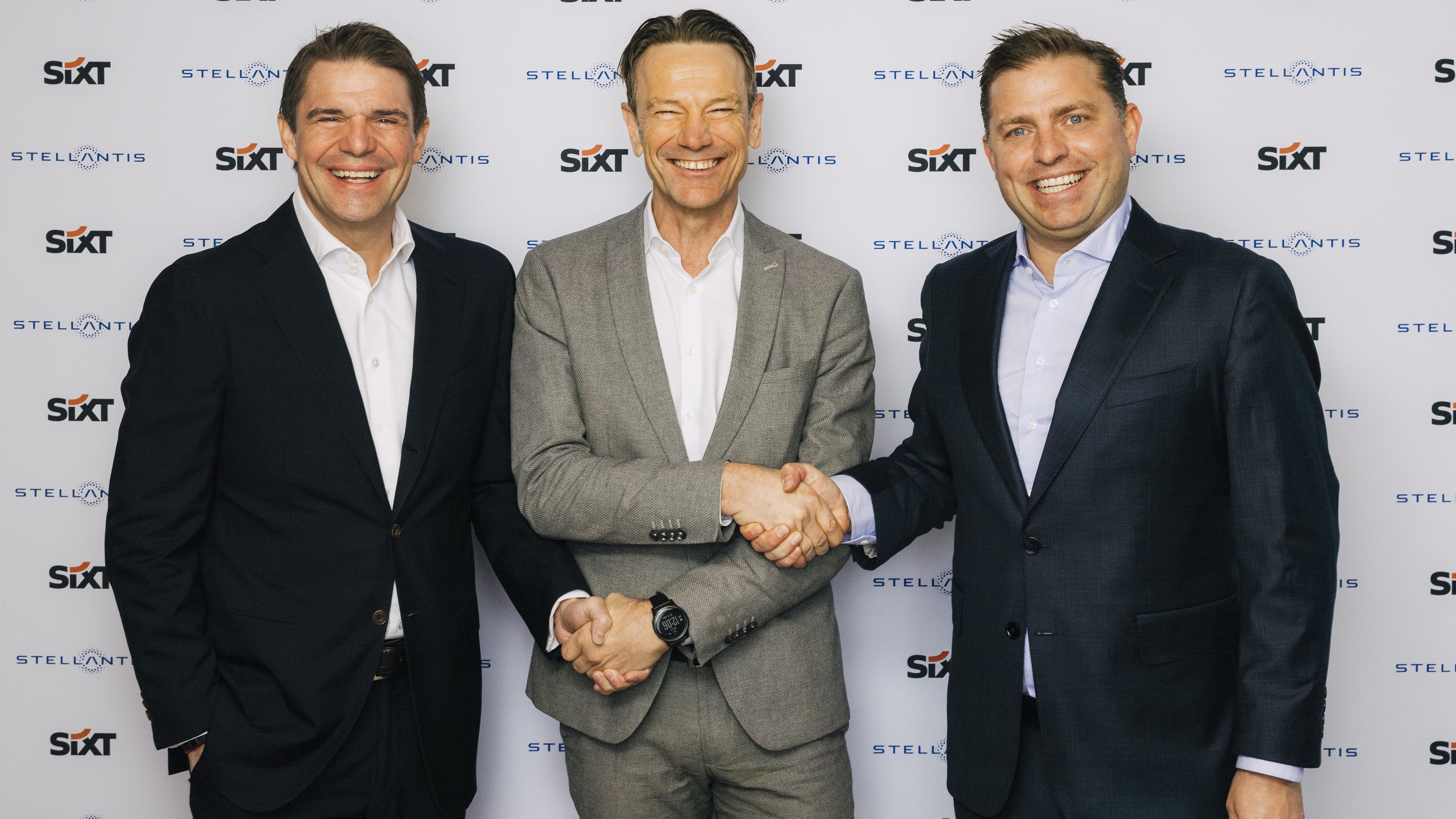
Sixt, one of the major players in the car rental industry, is steering away from Tesla electric vehicles (EVs) and has entered into a substantial agreement with automotive manufacturer Stellantis. Sixt is set to acquire up to 250,000 vehicles from Stellantis by 2026, spanning across various vehicle classes and including battery electric vehicles (BEVs).
This alignment with Stellantis marks a significant shift in inventory for Sixt, which has historically included Tesla EVs in its rental lineup. However, that is no longer the case, as Sixt plans to phase out its existing fleet of Tesla cars. The company clarified in December 2023 that they concluded purchasing Tesla vehicles in 2022 and would be selling the remaining Tesla cars based on their regular cycle. The spokesperson for Sixt added that the company is continually investing in electric mobility, including adding a variety of attractive electric rental vehicles from different brands.
Several factors contribute to the shift away from Tesla, including concerns about lower residual values and uncertainties relating to the used EV market, particularly with Tesla. Traditionally, car manufacturers offer buyback contracts with predetermined return prices for rental agencies, which Tesla does not provide. Additionally, Tesla’s price cuts have noticeably decreased the resale value of their used models, prompting rental companies to reconsider.
Despite moving away from Tesla, Sixt reassures customers that electric mobility remains accessible through their service, with a range of electric and hybrid vehicles from a variety of brands. New additions to their fleet include EVs from Chinese manufacturer BYD (Build Your Dreams).
The alliance with Stellantis is monumental, not only due to its multi-billion-dollar valuation but also for its environmental impact. The brands included in Stellantis’s portfolio cover a wide spectrum, from Alfa Romeo to Maserati. Sixt aims to amplify the presence of electrified vehicles within its European fleet substantially, targeting a 70 to 90 percent electrification by 2030 and committing to the expansion of its own charging infrastructure to support this transition.
The expansive deal will encompass different vehicle types, including city cars, SUVs, vans, trucks, and even 7- and 9-seaters. This will aid Sixt’s objective to lower the CO2 footprint of its rental fleet and adhere to its sustainability goals. Customers can expect a diverse range of options from Sixt, catering to different needs while upholding the company’s pledge to promote sustainable mobility options.
Please consider sharing the article to spread the news about Sixt’s strategy shift and its new partnership with Stellantis. Your support helps keep the community informed.