SiPearl Moves Rhea1 Server CPU Into Validation as Europe Pushes for Data Center Independence
SiPearl has reached a major milestone with Rhea1, its first-generation server processor designed in Europe. The company has successfully powered on the chip and has now moved into the validation phase, a critical step before the processor can be used in real-world server systems.
The Rhea1 CPU is positioned as an important part of Europe’s effort to strengthen its role in high-performance computing, data center infrastructure, and sovereign technology development. For SiPearl, bringing the chip to life is only the beginning. The next and possibly harder challenge is getting major server manufacturers in Taiwan to build complete systems around it.
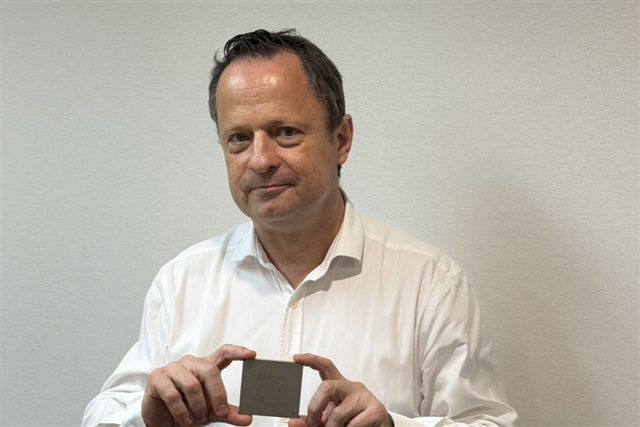
During a visit to Taipei, SiPearl founder and CEO Philippe Notton showcased the Rhea1 processor, highlighting the company’s ambition to turn a European-designed CPU into a practical option for modern data centers. Taiwan is a key destination for this effort because many of the world’s leading server builders and original design manufacturers operate there. Their support could determine how quickly Rhea1-based servers reach customers.
For data centers, the availability of a new server CPU is not just about performance. Operators need reliable platforms, validated hardware, software compatibility, long-term supply confidence, and strong manufacturing partnerships. That makes SiPearl’s work with Taiwan’s server ecosystem especially important.
Rhea1 is expected to target demanding workloads such as supercomputing, scientific research, artificial intelligence infrastructure, cloud services, and enterprise data processing. As data centers continue to expand, demand is growing for processors that can deliver strong performance while supporting efficiency and scalability.
The validation process will allow SiPearl to test the processor’s stability, performance, power behavior, and compatibility with server platforms. Once that work progresses, the company will need to convince hardware partners that Rhea1 can become the foundation for systems that data center customers are willing to order and deploy.
If SiPearl succeeds, Rhea1 could become a significant step forward for Europe’s semiconductor ambitions. It would give the region a stronger presence in the server CPU market and provide data center operators with another option beyond today’s dominant processor suppliers.
For now, the focus is clear: prove the chip, secure manufacturing partners, and transform Rhea1 from a promising European processor into deployable server hardware.