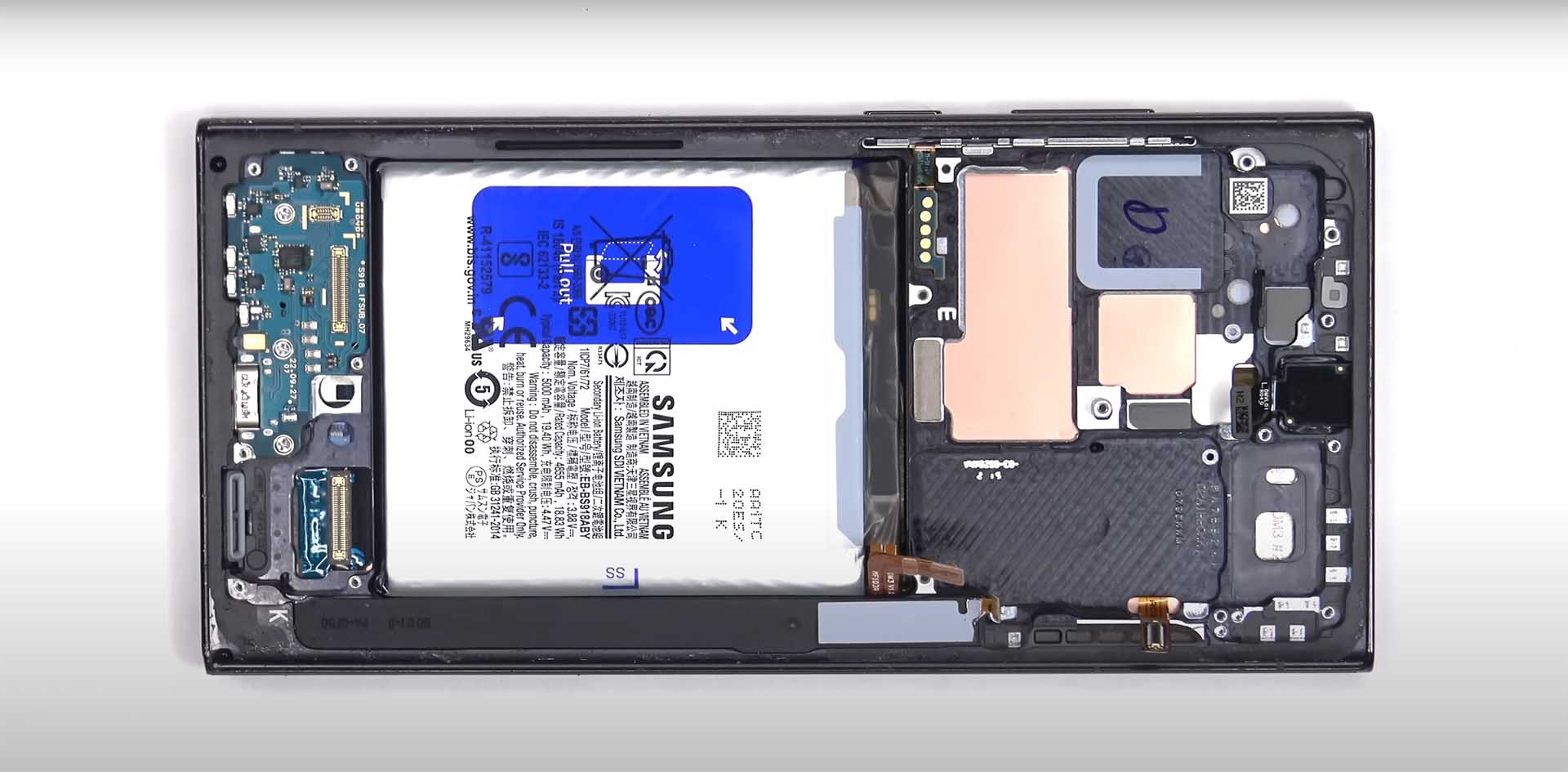
In the rapidly evolving world of smartphone technology, Chinese manufacturers are making waves with their adoption of silicon-carbon batteries, driving the competition to new heights. On the other hand, industry leaders Samsung and Apple have taken a different route, focusing on producing energy-efficient components instead. While both giants are recognized for their innovation, they might just be delaying their entry into the silicon-carbon battery arena.
Rumors had surfaced that Samsung was considering introducing this revolutionary battery technology in their forthcoming Galaxy S26 series, potentially incorporating a whopping 7,000mAh cell in one of its models. However, recent intel from a tipster suggests otherwise. According to this source, Samsung’s internal battery tests for the next flagship model haven’t surpassed a capacity of 5,500mAh.
This insider, who goes by the name @PandaFlashPro, is quite confident about his information. He has boldly stated he will delete his social media account if the Galaxy S26 Ultra is released with even a 6,000mAh battery, making it clear he’s skeptical about the rumored 7,000mAh battery. Historically, the largest battery capacity in the Galaxy S series has been 5,000mAh, and it seems this might not change dramatically with the S26 Ultra, based on his sources.
Although @PandaFlashPro claims that Samsung’s testing maxes out at 5,500mAh, he states the actual capacity could be slightly lower, around 5,396mAh. Despite his conviction, another more reliable source hints that Samsung is indeed actively developing silicon-carbon battery materials, indicating that while changes may not come as swiftly as some hope, they aren’t entirely off the table.
The shift to silicon-carbon batteries represents a significant step forward, offering the potential to increase cell capacity and extend device runtime without adding bulk. This leap could be the catalyst for Samsung to launch successors to the Galaxy S25 Edge, which could feature sleek designs coupled with exceptionally long battery life—an attractive prospect for consumers.
While some enthusiasts may find themselves disappointed by the current predictions, the development of such cutting-edge technology takes time. Until Samsung officially unveils its latest innovations, enthusiasts and consumers alike will be eagerly watching for any updates regarding the brand’s next move in the battery landscape. Stay tuned for more information as it becomes available.