Silca Revives the Omata Analog Cycling Computer With Seiko Movements and an $800 Price Tag
Silca has brought back one of the most unusual cycling computers on the market: the Omata analog GPS cycling computer. After acquiring Omata, the company has restarted production of the mechanical-dial bike computer, now priced at $800 and available in two color options.
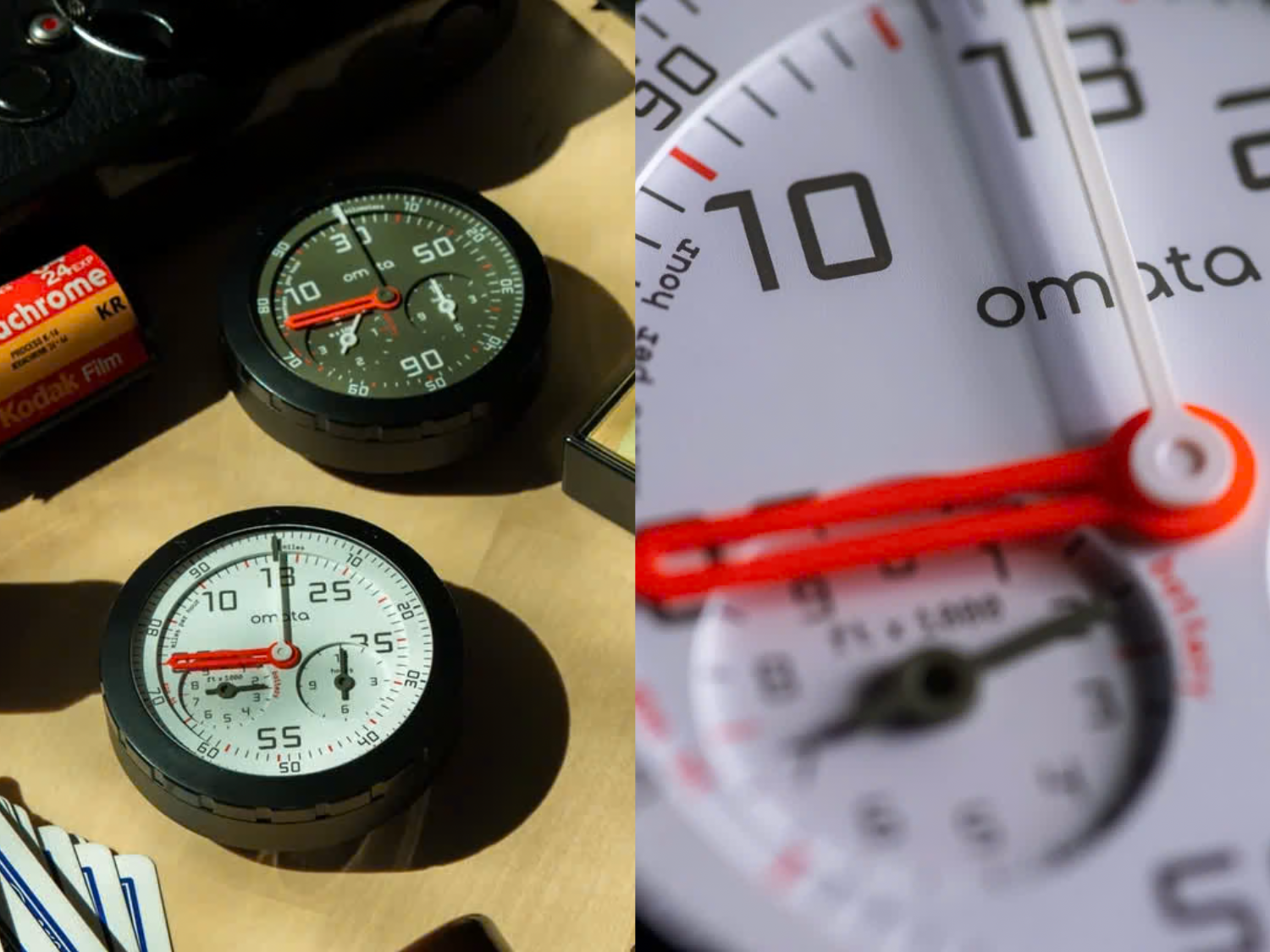
Unlike most modern cycling computers, the Omata Silca does not rely on a digital screen packed with maps, alerts, and app-style menus. Instead, it displays key ride data through a classic analog dial. Speed, distance, elevation gain, and elapsed time are shown by mechanical hands, giving riders a clean, watch-inspired way to track a ride without staring at another bright display.
Inside, the system is still highly technical. Four stepper motors move the hands, while a GPS module records ride data in the background. The most important detail, however, is the movement system. The device uses legacy Seiko components that are no longer in production. According to Silca CEO Josh Poertner, the Omata Silca depends on a limited supply of these older Seiko parts, meaning production will continue only in small batches until the remaining stock is gone.
Rather than replacing the original movement concept, Silca has updated the cycling computer around it. The company has redesigned the electronics, battery system, and outer housing while keeping the analog soul of the device intact. The new case includes a triple-barrier lip seal around the rotating bezel, helping improve protection against weather and road conditions. A Gore-Tex membrane has also been added over the barometric sensor.
The Omata Silca is designed to work with standard Garmin and Wahoo-style mounts thanks to a square cleat on the underside. It also supports ANT+, allowing it to connect with compatible cycling sensors. Charging has been updated to USB-C, a welcome improvement for riders who prefer modern cable compatibility.
For iPhone users, the unit can pair with external power meters and heart rate monitors. Ride files can be transferred through Omata’s own app or directly over a cable, giving cyclists a way to review their data after the ride while keeping the on-bike experience simple and distraction-free.
Final assembly and production have moved to Silca’s facility in Indianapolis. That makes the Omata Silca a rare example of a cycling computer assembled in the United States, which may appeal to riders who value boutique manufacturing and limited-run hardware.
Compared with a typical modern GPS bike computer, the specifications are deliberately minimal. There is no turn-by-turn navigation, no smartphone notifications, and no digital touchscreen. Battery life is rated at around 17 hours, and the unit weighs 83 grams. Its appeal is not about having the longest feature list. Instead, it is built for cyclists who want essential ride data presented in a more tactile and timeless way.
The original Omata design first gained attention through crowdfunding in 2016, when it was expected to retail for $599. With its return under Silca, the price has climbed to $800, reflecting the updated construction, limited production, and rare mechanical components.
The Omata Silca is not for every rider. Anyone looking for maps, training plans, live segments, or smart notifications will likely prefer a conventional GPS cycling computer. But for cyclists drawn to mechanical design, analog instruments, and minimalist ride tracking, this revived device offers something few modern bike computers can match: a blend of GPS technology and old-school mechanical charm.