Shinkong Synthetic Fibers Targets AI, Semiconductor Chemicals, and Green Notebook Materials for Future Growth
Shinkong Synthetic Fibers Corp. is setting its sights on higher-growth technology markets as the company works through a challenging business environment shaped by unstable raw material prices and cautious customer spending.
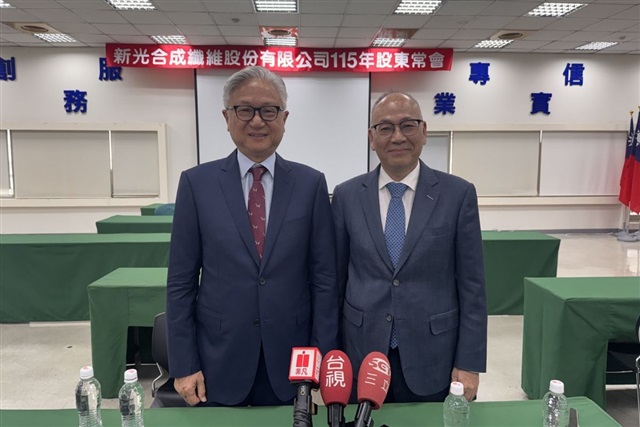
At its shareholders meeting on May 28, company executives outlined a strategic growth plan focused on three key areas: artificial intelligence-related applications, semiconductor chemicals, and eco-friendly materials for notebook computers. The move reflects the company’s effort to expand beyond traditional synthetic fiber operations and capture new demand from fast-growing technology supply chains.
The company said it is closely monitoring shifts in the global market, where raw material costs remain unpredictable and customers are taking a more conservative approach to orders. Despite these pressures, Shinkong Synthetic Fibers sees long-term opportunities in industries that continue to attract investment, particularly AI infrastructure and semiconductor manufacturing.
Artificial intelligence has become a major growth driver across the technology sector, increasing demand for advanced materials used in servers, electronics, cooling systems, and related components. By moving deeper into AI-linked material applications, Shinkong Synthetic Fibers aims to position itself as a supplier to industries benefiting from the rapid expansion of data centers and high-performance computing.
Semiconductor chemicals are another important part of the company’s growth strategy. As chipmakers continue to expand production capacity and improve manufacturing processes, demand for high-quality chemical materials is expected to remain strong. Shinkong Synthetic Fibers’ push into this field could help the company diversify revenue sources and strengthen its role in the advanced manufacturing supply chain.
The company is also focusing on environmentally friendly materials for notebook computers. With global brands under pressure to reduce carbon footprints and increase the use of sustainable components, demand for recycled, low-impact, and eco-conscious materials is rising. Shinkong Synthetic Fibers plans to take advantage of this trend by developing materials that meet both performance standards and sustainability requirements.
Executives emphasized that the company will remain cautious while pursuing these growth opportunities. Market uncertainty, fluctuating petrochemical prices, and slower customer demand continue to affect the broader materials industry. However, the company believes that investing in advanced applications and greener products will support long-term competitiveness.
Shinkong Synthetic Fibers’ strategy highlights a broader shift among traditional materials companies as they adapt to new technology trends. Rather than relying only on conventional fiber and chemical businesses, the company is seeking growth from sectors with stronger future demand, including AI hardware, semiconductor production, and sustainable electronics.
The expansion plan could help the company build a more resilient business model, especially if demand from consumer and industrial markets remains uneven. By targeting high-value applications, Shinkong Synthetic Fibers is aiming to improve margins, reduce exposure to commodity-driven cycles, and align itself with global technology and sustainability trends.
While near-term conditions remain challenging, the company’s focus on AI, semiconductor chemicals, and eco-friendly notebook materials signals a clear direction for future growth. As digital infrastructure expands and electronics makers increase their use of sustainable materials, Shinkong Synthetic Fibers is positioning itself to play a larger role in the next phase of advanced manufacturing.