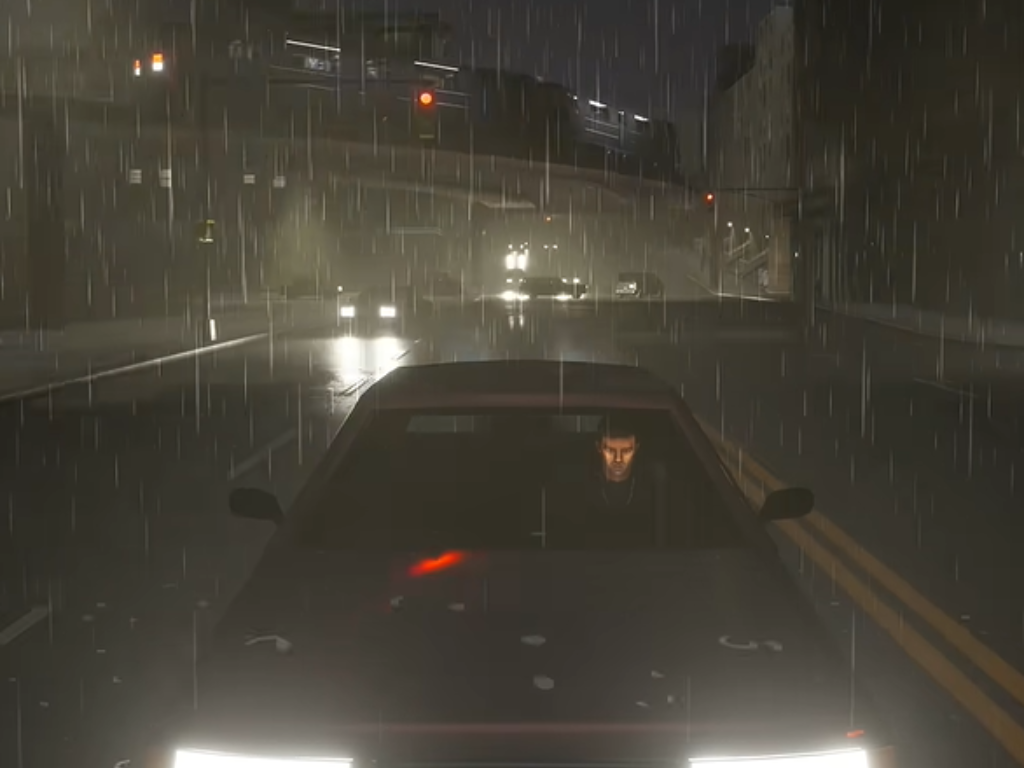
Back in the early 2000s, Grand Theft Auto was reshaping the gaming landscape in rapid-fire fashion. Grand Theft Auto III (2001) turned open-world action into a cultural talking point, GTA: Vice City (2002) cemented Rockstar’s momentum, and GTA: San Andreas (2004) would soon push the formula even further. While many studios chased that darker, more “mature” style, Nintendo took a noticeably different lesson from GTA’s rise: don’t copy it—counterbalance it.
In early 2003, around the launch window of The Legend of Zelda: The Wind Waker, Nintendo’s iconic creator Shigeru Miyamoto spoke with Sweden’s Superplay magazine about how he viewed the industry’s shifting tastes. At the time, the trend leaned heavily toward gritty, grounded experiences, and that atmosphere shaped how some older teens judged Nintendo’s bright, stylized direction. The Wind Waker, with its bold colors and cartoon-like art, was criticized in some circles as looking “kiddie” compared to the edgy cool factor associated with Grand Theft Auto.
Miyamoto didn’t dodge the comparison. He acknowledged that the games business had grown broader than ever, with more approaches to game design and more audiences to serve. He also recognized that plenty of older players loved Grand Theft Auto. But he made it clear that popularity alone wouldn’t steer Nintendo into making a GTA-style game. Instead, Miyamoto argued Nintendo’s job was to create something different—an alternative. In his view, the responsibility wasn’t to follow the loudest trend, but to expand what games could be by offering new types of experiences for players who wanted something else.
That idea tied directly into Miyamoto’s wider philosophy of game development. He explained that he never aimed to make games for one age bracket. The goal, as he described it, was to make games that both kids and adults could enjoy, without building the entire design around catering to a single demographic. Just as importantly, he emphasized that creators should keep their work within moral and ethical boundaries, suggesting that game makers have real responsibility for what they put into the world.
Miyamoto also pointed to a key difference between games and other media: interactivity. Because games aren’t just passively watched, he felt they could have a stronger effect on young people. While he supported artistic freedom and the right to express ideas, he urged care and restraint—especially given how deeply players participate in what a game asks them to do.
Looking back, Nintendo’s overall approach hasn’t shifted dramatically from that stance. The company has remained known for offering a distinct alternative to more realistic, violent, or cynical blockbuster trends—building its identity around accessible design, imaginative worlds, and broad appeal. At the same time, Nintendo platforms have still hosted a handful of GTA releases over the years, including Grand Theft Auto: Chinatown Wars during the Nintendo DS era, as well as a few other entries on handheld systems, and later releases that brought GTA collections to the Nintendo Switch.
The bigger takeaway from Miyamoto’s 2003 comments is how clearly they capture Nintendo’s long-running strategy: when one kind of game dominates the conversation, Nintendo’s instinct isn’t to mirror it. It’s to make sure players have another option—something that stands apart, reaches across age groups, and stays on the side of what Miyamoto saw as responsible interactive entertainment.