Shigeru Miyamoto, the creative force behind Mario, The Legend of Zelda, Donkey Kong, and Pikmin, has offered a candid look at why Nintendo is leaning more heavily into film. After decades of caution around big-screen adaptations, the company is now embracing cinema as a way to preserve its worlds and characters for generations.
Nintendo’s hesitance traces back to the 1993 live-action Super Mario Bros. movie, a critical and fan disappointment that kept the company at arm’s length from Hollywood for years. Outside of select anime projects—such as a Japan-only Animal Crossing film and the long-running Pokémon series—Nintendo largely stayed away from film adaptations.
That narrative changed dramatically in 2023. The Super Mario Bros. Movie exploded at the global box office, pulling in over $1.36 billion and securing a spot among the highest-grossing animated films ever. With that success, Nintendo’s confidence surged. A sequel is already dated for April 3, 2026, and a live-action The Legend of Zelda film is targeting 2027. Industry chatter also points to potential Donkey Kong and Luigi’s Mansion projects, signaling a broader cinematic universe in the making.
Miyamoto’s recent remarks sparked discussion after a misquote circulated online, implying he believes games fade while films last forever. A more accurate reading of his comments paints a nuanced picture. He acknowledges that video games can feel temporary as new hardware and updated versions arrive, leaving older experiences behind or locked to legacy systems and digital re-releases. That sense of impermanence, he explained, is part of what nudged Nintendo to pursue film: movies can serve as a durable, widely accessible way to keep beloved IPs alive in the cultural imagination.
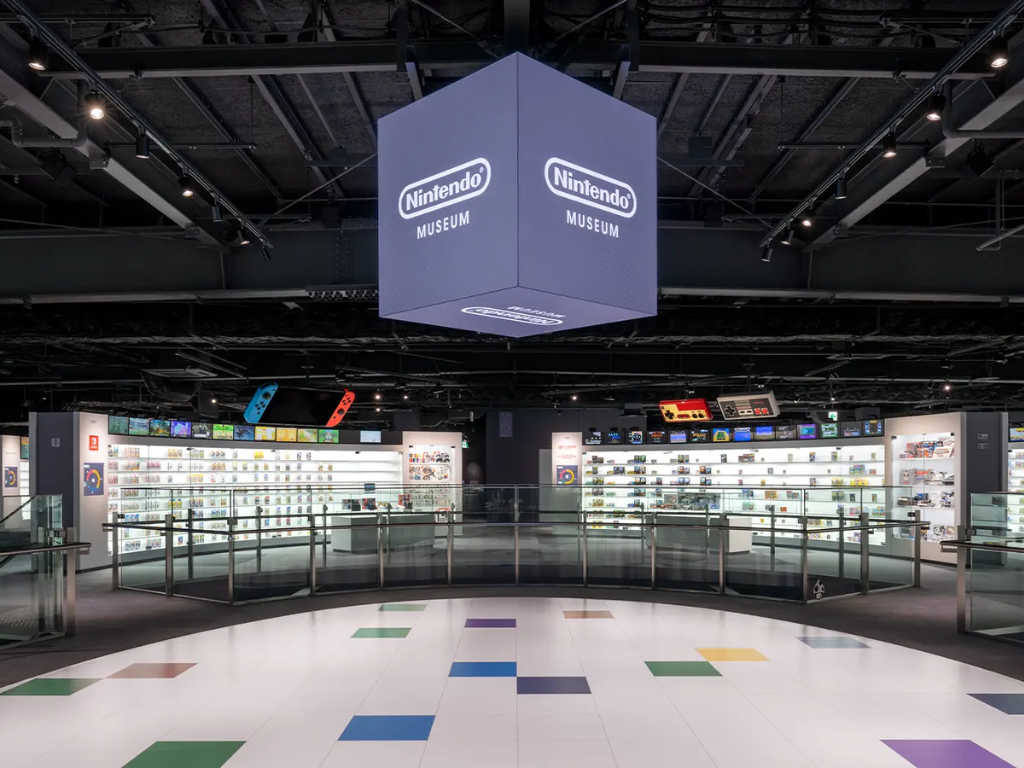
He also contrasted the limitations of presenting playable games in settings like the newly opened Nintendo Museum in Kyoto with the permanence of film. While museum exhibits can showcase history, videos and movies have a unique ability to endure and reach audiences far beyond a single location. Ultimately, he underscored a guiding principle: create compelling reasons for people to choose Nintendo.
For fans, this shift means more than just entertainment. It’s a strategy to preserve iconic characters and story worlds while inviting new audiences into the fold. Films can introduce younger viewers to Mario, Zelda, and Donkey Kong, then lead them back to the games—old and new—creating a virtuous cycle that strengthens the brand and keeps these universes vibrant.
With a record-breaking animated hit behind it and multiple projects ahead, Nintendo’s move into film looks less like a detour and more like a long-term pillar of its strategy. If Miyamoto’s vision holds, cinema won’t replace games; it will amplify them—ensuring that the magic of Nintendo endures on both the controller and the big screen.


