As The Pokémon Company ramps up toward Pokémon Presents on February 27, fans are bracing for a wave of announcements. Multiple new projects are expected to show up, including chatter about a potential Gen 10 reveal. But while Pokémon’s spotlight keeps getting brighter, another legendary Nintendo series appears to be heading into a milestone year with surprisingly little noise around it: The Legend of Zelda.
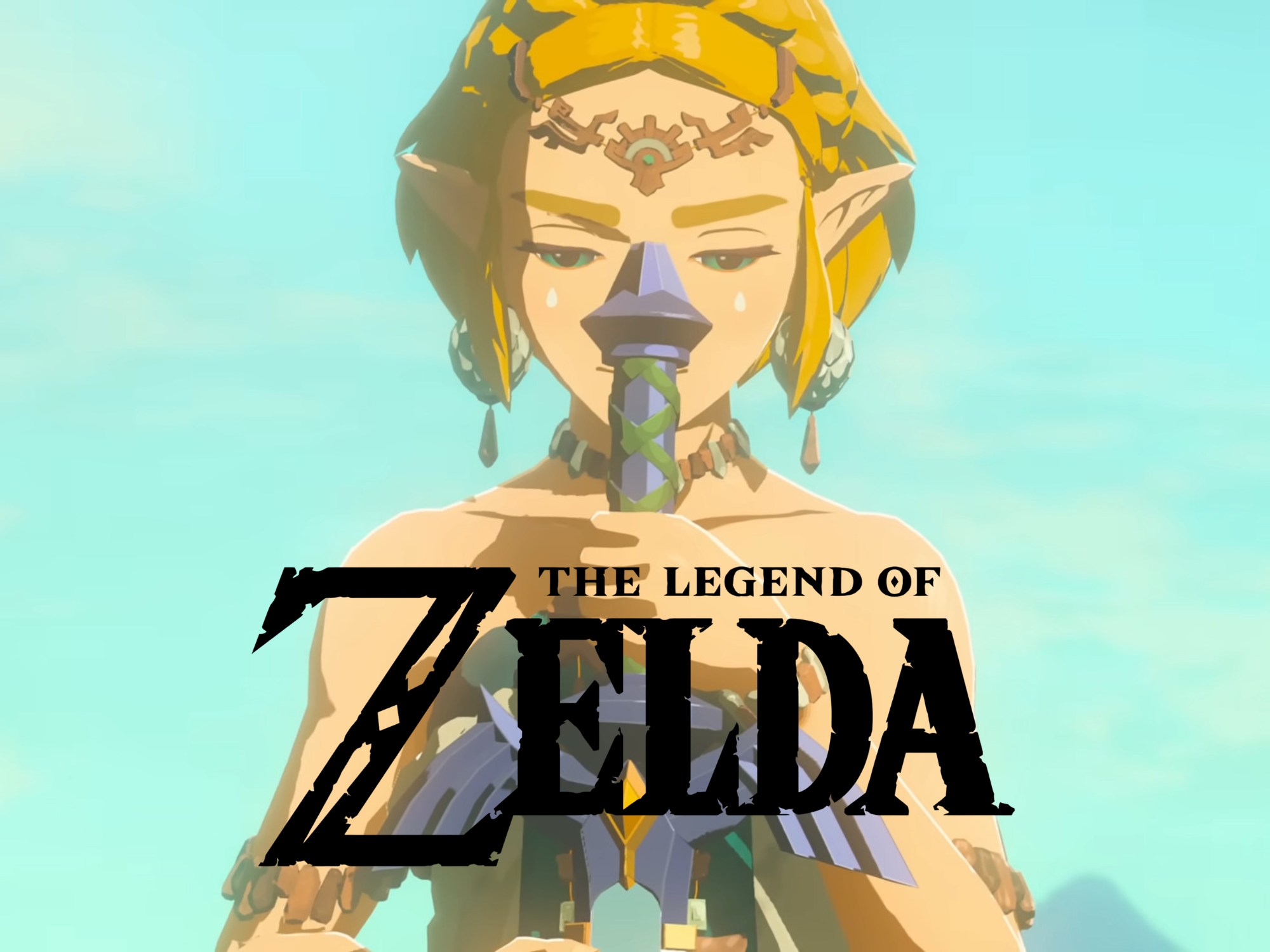
With the Zelda 40th anniversary on the horizon, many players expected at least a tease, a celebration campaign, or some kind of forward-looking update. Instead, there’s been minimal fanfare. According to former Nintendo marketing staff Kit Ellis and Krysta Yang, that silence may not be accidental—it’s simply how Nintendo prefers to operate.
Their explanation is straightforward: Nintendo typically doesn’t throw large public celebrations for an IP unless there’s a game (or major product) ready to promote alongside it. In other words, if a new Zelda title were lined up for reveal, the company would likely be far more active in commemorating the anniversary. Without a new release in the chamber, Nintendo often lets major dates pass with far less marketing than fans expect.
That approach is noticeably different from how Pokémon is marketed. Even though Nintendo owns a portion of The Pokémon Company, the two organizations run independently and treat their brands differently. The Pokémon Company is described as seeing Pokémon as more than just games—a broader cultural lifestyle phenomenon—so it invests heavily in big, high-visibility marketing moments even before a new game launches. That’s part of why its anniversary messaging can feel like an event in itself, complete with extensive promotions and stacked announcements.
Yang also shared an interesting detail about Nintendo’s internal mindset: Nintendo historically hasn’t placed the same emphasis on dedicated brand managers overseeing franchises like Mario or Zelda. She recalled proposing roles focused on managing and amplifying major IP, but the company’s view was that the best marketing is simply releasing excellent software. It’s a game-first philosophy, and it often shapes how much attention a franchise gets at any given time.
So what does this mean for Zelda fans hoping for a big 40th anniversary surprise—especially with new hardware on the way? Based on these remarks, expectations for major Zelda-related announcements in the immediate future may need to be tempered. Ellis downplayed the likelihood of significant news tied to current Nintendo platforms or the next system in the coming days, suggesting that a major anniversary reveal may not be in the cards right now.
Still, that hasn’t stopped speculation about what could be next for Zelda—particularly if a future release is being held for the next generation. Among the most requested possibilities is a modern remake of Ocarina of Time, originally released on Nintendo 64 in 1998. While the game is accessible through Nintendo Switch Online, many players feel the visuals and older 3D presentation are showing their age and deserve a fuller overhaul.
Two other titles that frequently come up in rumors and fan wish lists are The Wind Waker and Twilight Princess. Both games have long been discussed as prime candidates for updated releases on newer Nintendo hardware, especially given their popularity and how often fans ask for broader availability.
Looking further out, a Zelda film is scheduled for 2027, but that doesn’t necessarily clarify when the next mainline Zelda game will arrive. Questions remain about what direction the series might take after Tears of the Kingdom. Some speculation points to a shift away from Hyrule entirely, potentially placing Link in a new open-world setting that feels fresh and unfamiliar compared to the recent era of Zelda.
There’s also been talk that Hyrule Warriors: The Age of Imprisonment could influence the next mainline project in some way, following comments attributed to series producer Eiji Aonuma. Whether that means story threads, characters, or broader worldbuilding connections is unclear, but it adds fuel to the sense that Zelda’s next chapter may be taking shape behind the scenes—even if Nintendo isn’t ready to talk about it yet.
For now, the quiet around the Zelda 40th anniversary may be less about neglect and more about strategy. Nintendo’s pattern suggests it prefers to celebrate when it can pair nostalgia with something new to sell, play, and showcase. Until that next Zelda experience is ready, fans may be left waiting—watching Pokémon dominate the calendar while Link’s next big moment remains just out of view.


