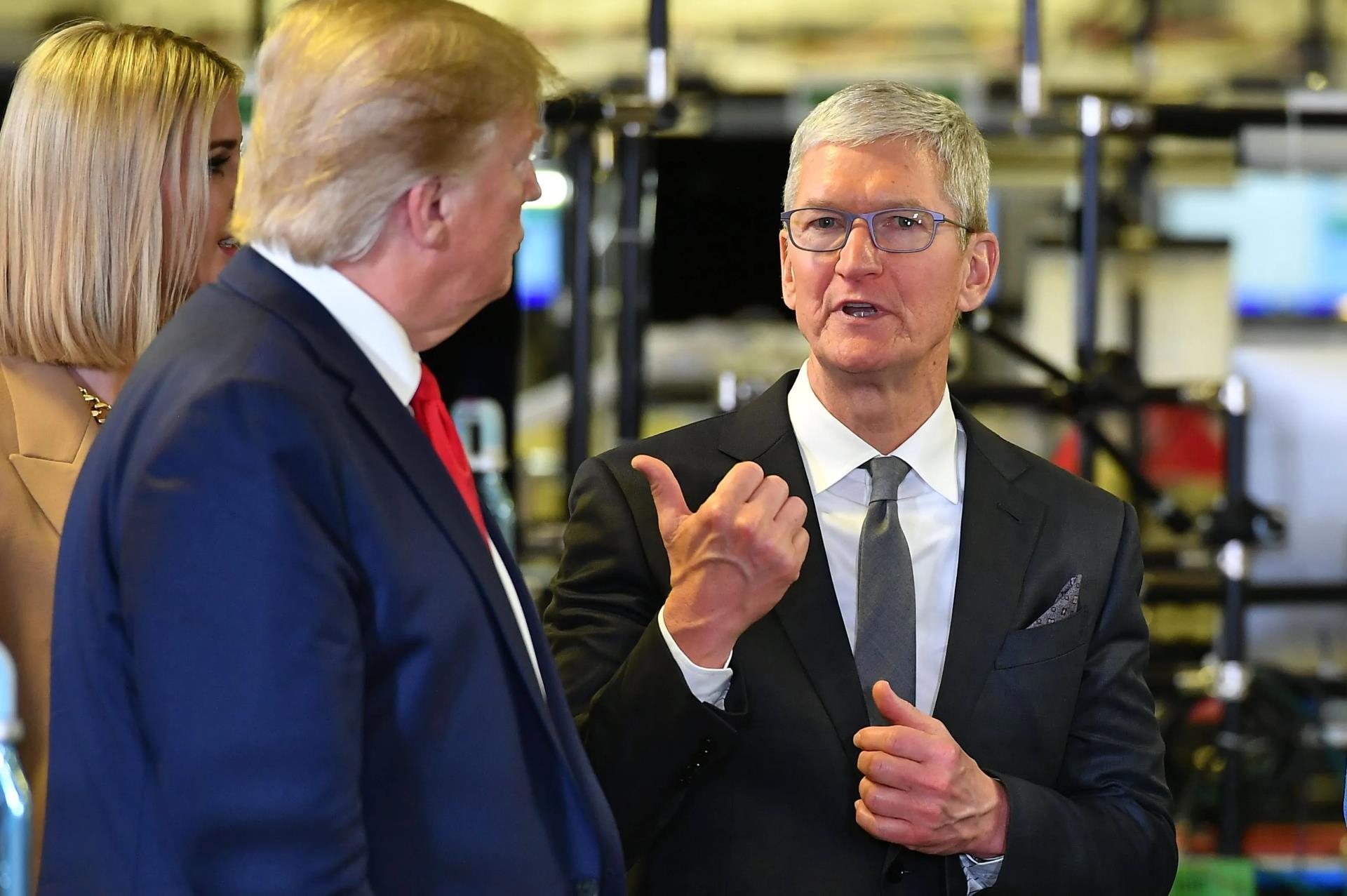
Tim Cook, the CEO of Apple, recently played a strategic hand that allowed the tech giant to dodge the hefty Trump-era tariffs, which threatened to slice a staggering $640 billion from its market value. The talks between Cook and then-President Donald Trump appear to have been successful, ensuring Apple’s temporary relief from the financial burden. However, this has sparked curiosity from U.S. Senator Elizabeth Warren, who is keen to uncover the nature of these private discussions.
Senator Warren has been known for her vigilant oversight on corporate dealings and is now calling on Tim Cook to clarify the details of his negotiations with Trump. Her interest in this matter is heightened by suspicions of potential impropriety, as revealed in a correspondence shared by Bloomberg. Warren is particularly focused on whether Cook attempted to influence Trump Administration officials during these negotiations, a claim that has yet to be proven.
Despite Warren’s inquiry, neither Cook nor Trump are legally required to disclose the contents of their discussions unless a formal investigation is pursued. Warren has previously questioned tech companies like Apple, Microsoft, and Meta regarding their financial contributions to Trump’s inauguration, suspecting that these funds were aimed at gaining favor with the administration.
While companies routinely lobby and engage with elected officials to shape legislation in their favor, Warren’s pursuit of transparency in these dealings continues. Her efforts underscore the ongoing scrutiny of the relationship between corporate power and government policy.
As it stands, Apple enjoys a temporary reprieve from the tariffs, but this period may be short-lived due to potential tariffs on semiconductors. This indicates that Apple’s strategic maneuvering may face new challenges in the near future, compelling the tech company to prepare for possible financial repercussions.
In summary, as Senator Warren seeks answers, the story highlights the complex dance between corporate giants and political forces, leaving the public wondering about the full scope and impact of these backdoor negotiations.


