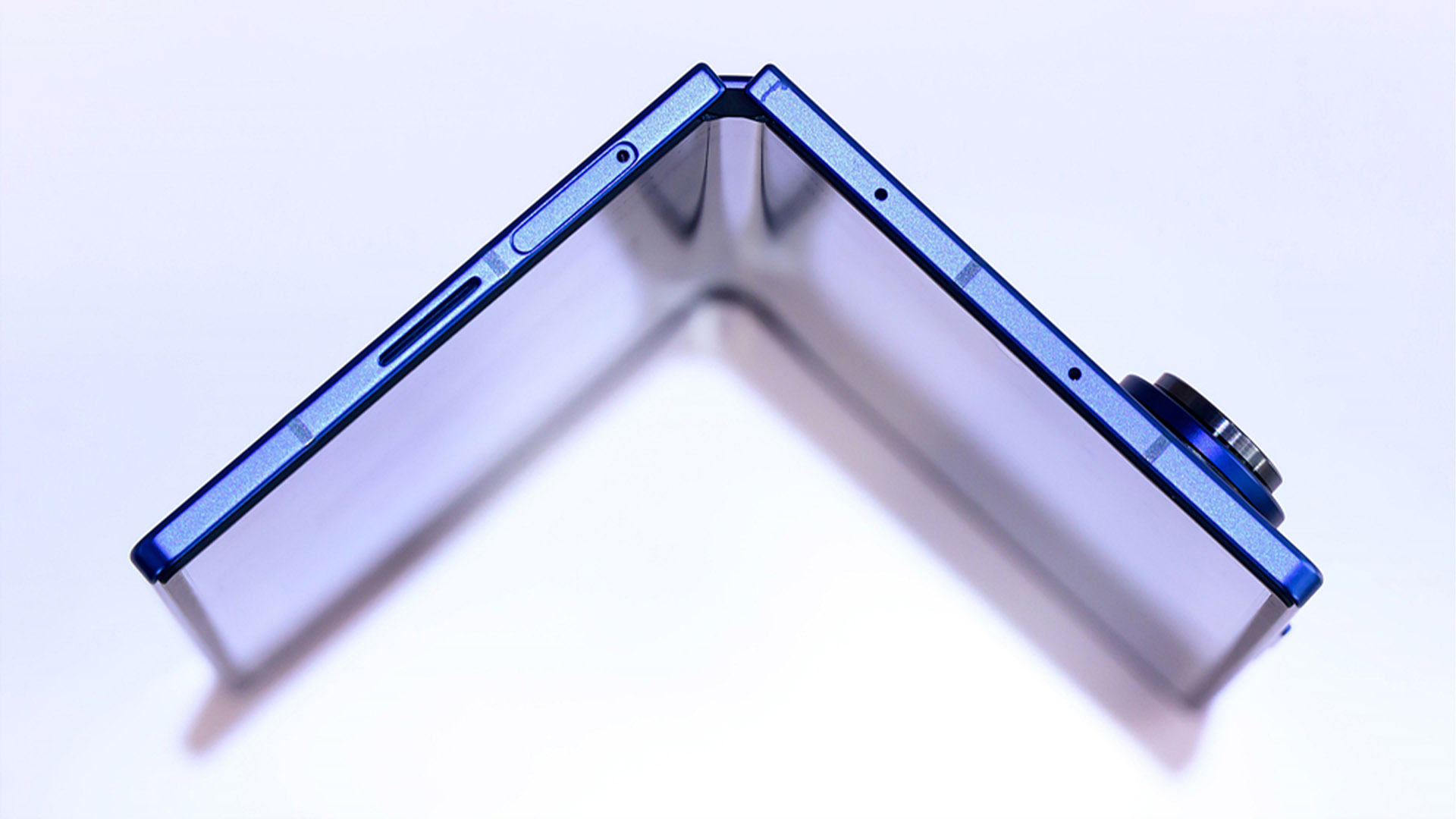
Apple’s long-rumored iPhone Fold is shaping up to be a major shake-up for the foldable phone market, with reports pointing to two standout design goals: a crease-free foldable display and a wider “passport-style” shape that’s said to lean toward a 4:3 aspect ratio. That combination could make it feel less like a tall, narrow phone that happens to fold, and more like a compact tablet that’s genuinely comfortable to use.
Now, it looks like Samsung is preparing its own answer. A new report says the company is working on a foldable device currently being referred to as the “Wide Fold,” with a potential launch window set for fall 2026. If that timeline holds, Samsung would be aiming to counter the iPhone Fold’s rumored strengths with a similar form factor designed around usability rather than just portability.
The big change here is the aspect ratio. Today’s book-style foldables often feel tall and skinny, and while they’re great for multitasking, some apps and websites don’t always look “natural” on the inner screen. A wider, 4:3-style display can make reading, browsing, and watching certain types of content feel more balanced. It also helps reduce awkward cropping and scaling issues, especially on web pages and media that aren’t designed for ultra-tall screens.
According to the report, Samsung’s Wide Fold may feature a 7.6-inch inner display paired with a 5.4-inch cover screen. With that passport-like footprint—where the width is slightly longer than the height—opening the device could feel more like opening a small notebook or book, which may be exactly the experience Samsung is chasing.
Some additional details mentioned include 25W wireless charging, which would reportedly be the fastest wireless charging speed Samsung has offered on a smartphone so far. On the performance side, the Wide Fold is expected to land in the same general era as Samsung’s future Galaxy Z Fold models. If Samsung’s next-generation Fold line moves to a Snapdragon 8 Elite Gen 5-class chipset, it’s possible the Wide Fold could use similar flagship silicon.
As for how it will be introduced, Samsung typically uses its second annual Unpacked event for its foldable lineup. If the Wide Fold is positioned as a new premium tier or a design shift for the fold category, that would be a logical place for Samsung to unveil it.
This development also suggests something bigger: foldables may be heading into a new phase where design refinements—like wider screens, better app fit, and minimizing or eliminating the crease—become the real battleground. Samsung has years of experience building foldable phones at scale, which could give it an advantage in manufacturing and pricing. The big question is whether a wider, passport-style foldable will be the form factor that finally pushes foldables closer to mainstream adoption.
More details should emerge as the reported 2026 launch window gets closer.