Samsung’s NAND Push for NVIDIA AI Servers Could Tighten SSD Supply and Raise Prices
Samsung is reportedly becoming a key supplier for NVIDIA’s next wave of AI server infrastructure, and the move could have major consequences for the broader storage market. As artificial intelligence workloads continue to grow at an enormous pace, NVIDIA’s GPU-powered servers are running into a new challenge: handling the massive amount of temporary data generated during AI processing.
This temporary data is known as Key-Value cache, or KV cache. In large AI models, KV cache helps GPUs remember previous context during inference, allowing systems to respond faster and process longer prompts. However, as AI models become larger and more complex, the size of this cache has exploded. Even powerful GPU servers are beginning to face bottlenecks because the memory demand is growing faster than traditional systems can comfortably handle.
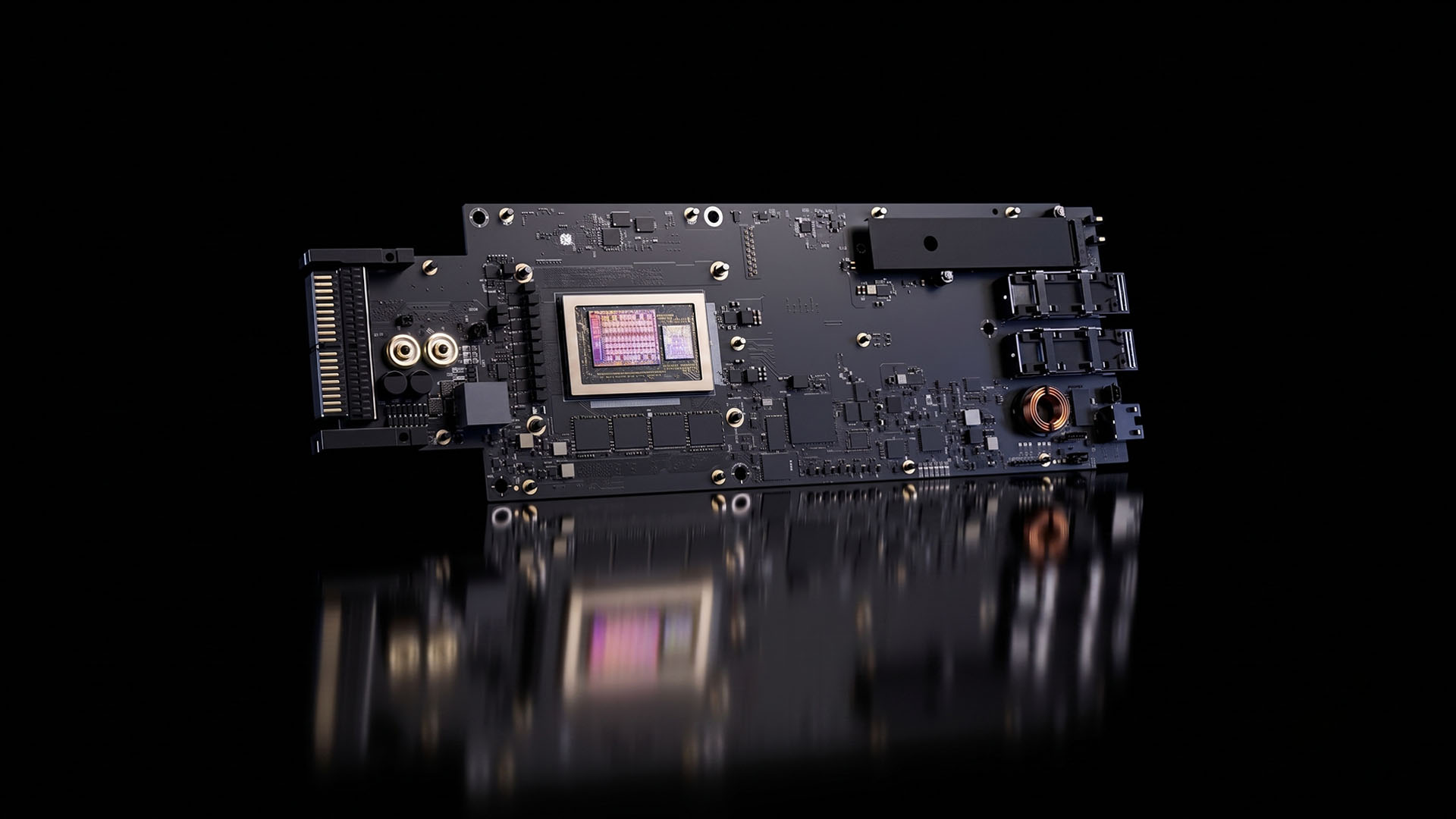
That is where Context Memory Storage, also called CMX, comes in. CMX is designed to offload large amounts of temporary context data from GPUs to high-capacity storage, helping AI servers manage longer workloads without overwhelming the chips. Samsung’s advanced V-NAND is reportedly being used for this purpose, with the company already supplying large volumes of V9 NAND to NVIDIA while preparing V10 NAND for mass production.
Samsung’s V-NAND production is said to be heavily focused on NVIDIA’s AI storage needs. Reports indicate that Samsung has allocated a major portion of its V9 NAND capacity to this demand, with around 60 percent of its production capacity tied to the V9 line. V10 NAND is expected to push storage density even higher, allowing NVIDIA to fit more capacity into the same CMX modules.
The scale is enormous. A single CMX setup for AI servers can reportedly support 576 SSDs and reach up to 9,600TB of storage capacity. That kind of storage is meant to reduce data bottlenecks for AI GPUs, but it also creates a serious issue for the rest of the market. If Samsung and other NAND suppliers dedicate large amounts of production to AI infrastructure, consumer SSDs and enterprise storage products could become harder to find or more expensive.
This would not be the first time the AI boom has disrupted the hardware supply chain. Demand for AI chips previously contributed to pressure on DRAM supply, driving up memory prices. Now, NAND flash appears to be facing a similar trend. As AI servers increasingly rely on CMX to handle KV cache, NVIDIA’s demand for high-capacity storage chips could rise dramatically.
Industry projections suggest that storage demand for CMX could grow from around 35 million terabytes to more than 100 million terabytes in 2026. Samsung is expected to ship as much as 250 million terabytes of NAND, strengthening its position as one of NVIDIA’s most important storage partners.
For Samsung, this shift could be highly profitable. After years of difficult conditions in the memory market, the AI storage boom may give the company a major earnings boost. Some expectations suggest Samsung’s 2026 profit could surpass an extraordinary level compared with its historical performance, thanks largely to surging demand for AI-related memory and storage products.
Samsung is also said to be working on V11 NAND, which could reach up to 500 layers of vertically stacked storage. That would be a significant jump over V10 NAND and far ahead of V9 NAND’s 286-layer design. Higher layer counts generally allow more data to be stored in the same physical space, improving density and potentially lowering costs over time.
In theory, this technology could eventually benefit consumers by enabling larger and more affordable SSDs. High-capacity drives for gaming PCs, workstations, laptops, and data-heavy creative workloads could become cheaper if advanced NAND production expands widely.
However, the immediate outlook may not be so friendly for everyday buyers. If Samsung prioritizes NVIDIA and the AI server market, consumer SSD supply could remain tight. That may lead to higher prices, limited availability, and slower price drops for larger storage drives.
The bigger picture is clear: AI is no longer only driving demand for GPUs. It is now reshaping the entire memory and storage industry. Samsung’s growing role in supplying NAND for NVIDIA’s CMX systems shows how deeply AI infrastructure is affecting global semiconductor production.
For data centers, this could mean faster and more capable AI servers. For Samsung, it could mean a powerful new profit engine. But for consumers and other companies looking for affordable SSDs, the AI storage race may bring another wave of supply pressure and rising prices.