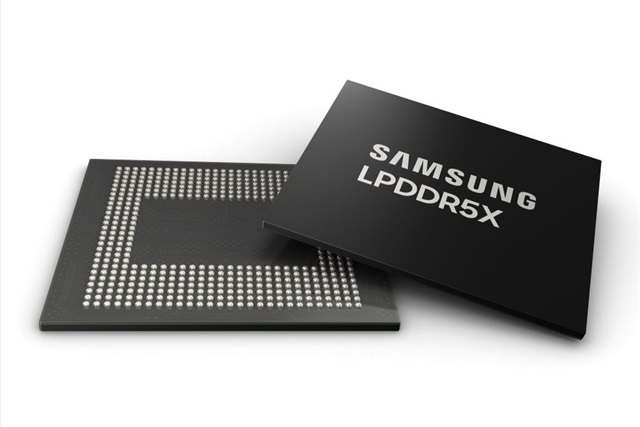
Samsung Electronics has recently made a significant stride in the artificial intelligence (AI) landscape with their latest innovation – an ultra-thin 12nm low-power Double Data Rate RAM (LPDDR). This cutting-edge technology boasts a slender profile of just 0.65mm, a revelation that meets the mounting demands of the burgeoning on-device AI market. The significance of this development lies in its potential to greatly enhance edge AI devices, those which process data on the device itself rather than relying on cloud computing power.
Edge AI technology is becoming increasingly popular as it allows for faster processing times and enhanced privacy since data does not need to be transmitted over the internet. The introduction of Samsung’s ultra-thin LPDDR is poised to cause a disruption in this market because it addresses one of the critical challenges faced by developers: the need for compact, power-efficient memory solutions that fit within the limited space of portable and wearable devices while still providing the high performance required by AI applications.
With Samsung’s innovation in the low-power DRAM space, edge AI devices can now potentially become more slender and cost-effective to produce without compromising on computational abilities. For consumers, this could translate into smarter, more responsive gadgets with a sleeker design – something which is always a significant selling point in the competitive technology market.
The practical implications of Samsung’s new LPDDR extend beyond aesthetics and cost. For instance, in the field of healthcare, wearable devices that monitor patient health could become more inconspicuous and comfortable, yet more powerful in terms of data analysis. In the realm of smart homes, devices can now be embedded into furniture or appliances without affecting the design or functionality, adding a layer of intelligence to the home environment without the trade-off of additional bulk.
For those invested in or working within the realm of edge AI and looking to integrate this type of memory into their devices, it would be strategic to keep an eye on the developments of Samsung’s LPDDR technology. As the market adapts to these advancements, there are a few actionable steps worth considering:
1. Monitor the Availability: Stay updated on the production and distribution timeline of Samsung’s ultra-thin LPDDR so you can plan for integration into your products.
2. Research Compatibility: Look into the specs of new LPDDR options to ensure they are compatible with your device’s hardware and software requirements.
3. Redesign Accordingly: If you are a device designer or manufacturer, consider how the reduced size and enhanced power efficiency of this memory can enable you to redesign your products for better aesthetic appeal and functionality.
4. Understand the Performance Benefits: Familiarize yourself with how the increased data processing capabilities of low-power DRAM can improve the AI functionalities of your products.
5. Keep an Eye on Trends: Observe how competitors and the broader market are leveraging this new technology to stay competitive.
The advent of Samsung’s new ultra-thin LPDDR is undoubtedly a game-changer for the edge AI market, with the potential to accelerate the technical capabilities of next-generation devices. As advances in AI continue at a relentless pace, staying abreast of these trends and understanding how to apply them can offer a significant edge in an ever-evolving industry.