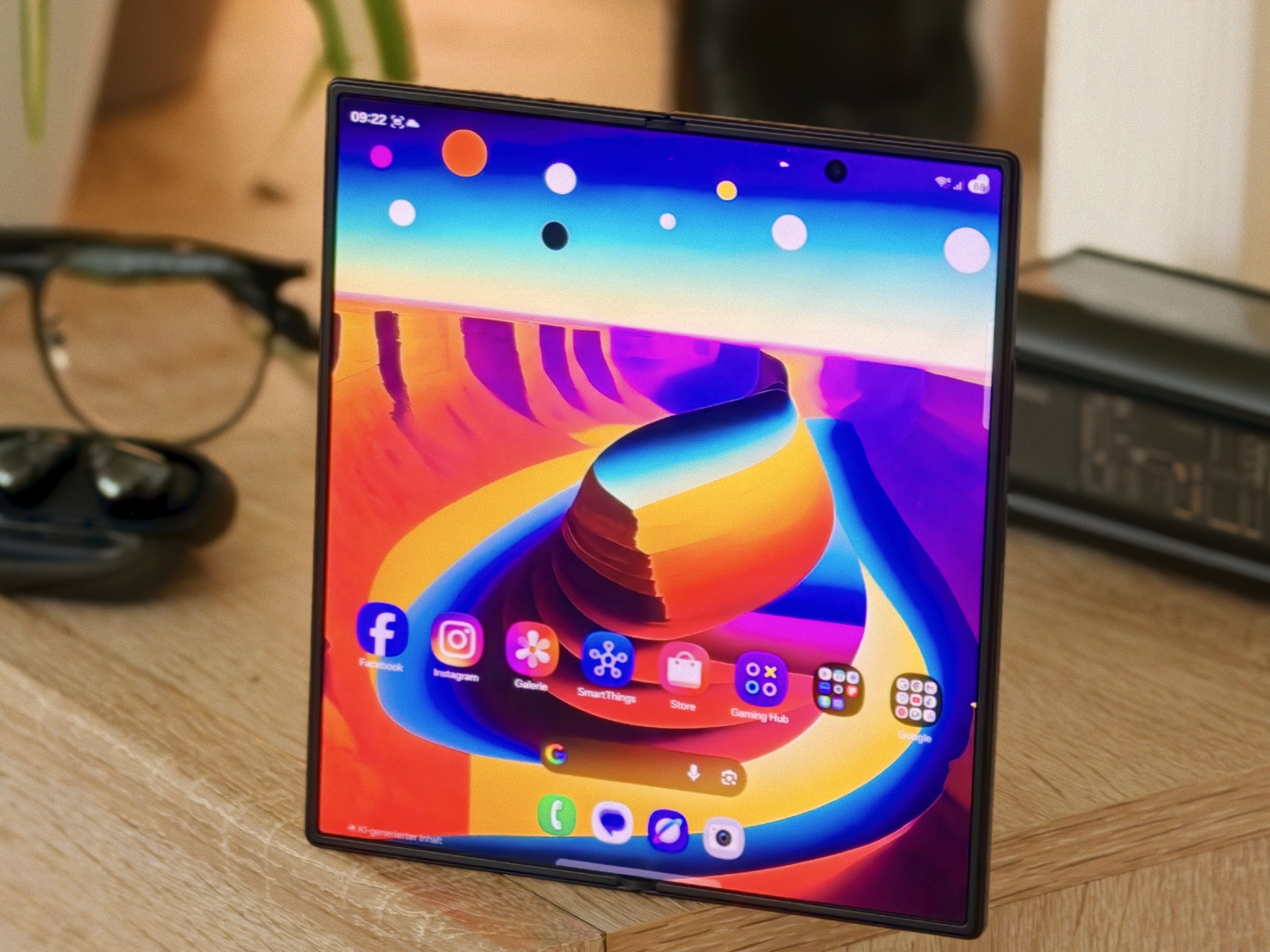
Why Samsung’s Galaxy Z Fold8 Ultra May Not Fully Live Up to the “Ultra” Name
Samsung’s Galaxy Z Fold8 Ultra arrives with plenty of ambition, premium materials, and the kind of futuristic design that makes foldable phones so exciting. With its new titanium hinge and large folding display, it clearly aims to stand at the top of Samsung’s foldable lineup. However, while the device delivers an impressive overall experience, a few key compromises make the “Ultra” branding feel slightly harder to justify.
One of the biggest disappointments is its durability rating. Despite the upgraded titanium hinge, the Galaxy Z Fold8 Ultra only offers an IP48 rating. That means it has some protection, but it is still not fully sealed against fine dust particles. For a phone carrying the Ultra name, many users would expect a more rugged, dust-tight design.
This matters in everyday use. Foldable phones are more complex than traditional smartphones, and dust can be a real concern around beaches, construction areas, hiking trails, or any environment where tiny particles are common. A true Ultra foldable should ideally give users more confidence in these situations, especially considering the premium price and flagship positioning.
The camera system is another area where the Galaxy Z Fold8 Ultra does not quite match expectations. When compared with the Galaxy S26 Ultra, the foldable misses out on a second telephoto camera. As a result, zoom performance, particularly at higher magnification levels, is not as strong as what Samsung’s best slab-style flagship can offer.
That omission is difficult to ignore because the rear camera module is already very large. In fact, the camera bump is so prominent that it affects how stable the phone feels when placed on a flat surface. For a device this big and expensive, users may reasonably expect the camera hardware to be more complete, especially if the design already makes room for such a noticeable camera island.
Still, the Galaxy Z Fold8 Ultra should not be dismissed. It remains an excellent foldable smartphone with a premium build, a versatile large-screen experience, and the kind of multitasking power that makes foldables appealing in the first place. Its design, display technology, and performance will likely satisfy users who want a cutting-edge device that can function as both a phone and a compact tablet.
The issue is not that the Galaxy Z Fold8 Ultra is a bad phone. Far from it. The problem is that the Ultra label creates extremely high expectations. Buyers may expect the best durability, the best camera setup, and fewer compromises across the board. In those areas, Samsung’s latest foldable still leaves room for improvement.
For anyone who values productivity, immersive media, and the unique flexibility of a foldable display, the Galaxy Z Fold8 Ultra remains a powerful and attractive choice. But for users expecting a no-compromise Ultra flagship, its limited dust protection and less complete zoom camera system may be worth considering before making the jump.