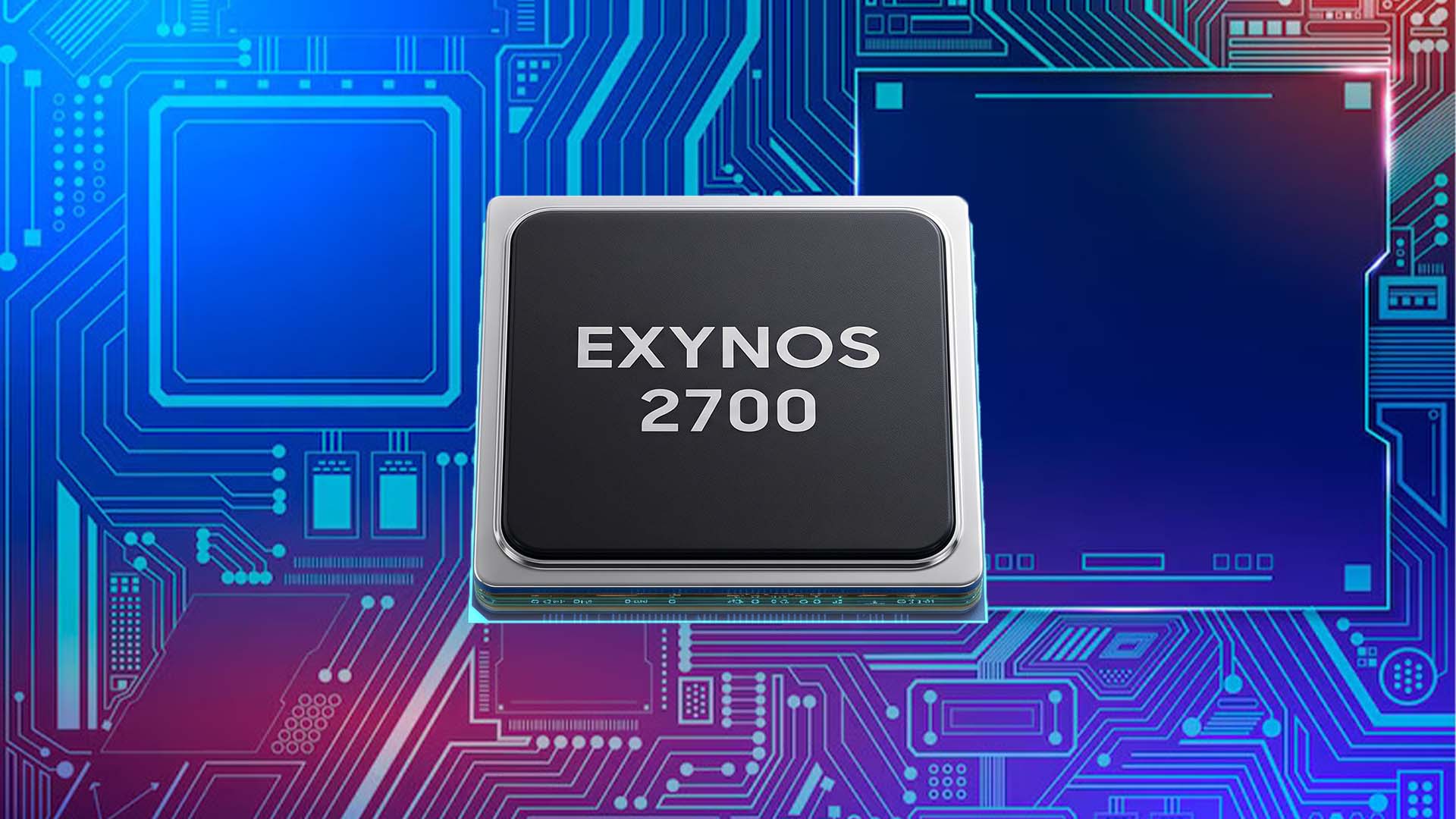
Samsung Exynos 2700 Could Push Beyond 4GHz as 2nm Chip Development Advances
Samsung’s next major mobile chipset, the Exynos 2700, is already drawing attention as rumors suggest it could become one of the company’s most ambitious smartphone processors yet. The chip is expected to use Samsung’s improved 2nm GAA manufacturing technology, known as SF2P, and early claims suggest development is progressing on schedule.
If Samsung can improve production stability and chip yields, the Exynos 2700 may have the potential to break past the 4.00GHz clock speed barrier. One rumor suggests the prime CPU core could target speeds as high as 4.20GHz, which would represent a major leap for Samsung’s in-house silicon.
The key factor behind this possibility is Samsung’s SF2P process. This node is expected to succeed the earlier SF2 technology and should bring improvements in efficiency, transistor behavior, and manufacturing consistency. Better yields mean more chips can operate reliably at higher frequencies without excessive power leakage or heat generation.
For context, the Exynos 2600 reportedly reached a peak clock speed of around 3.90GHz on its fastest core, with Samsung said to have achieved roughly 60 percent yields on its 2nm GAA process. For the Exynos 2700, yield estimates are rumored to be in the 65 to 70 percent range by the second half of 2026.
That improvement may sound modest, but in semiconductor manufacturing, even small yield gains can make a big difference. Higher yields usually indicate better transistor quality, cleaner signal switching, lower current leakage, and improved overall stability. These factors can help a processor run faster while wasting less energy.
However, hitting 4.20GHz is not as simple as raising the clock speed. A higher frequency typically requires more voltage, and more voltage usually means higher power draw and more heat. If the chip cannot control leakage effectively, the extra energy may turn into wasted heat rather than usable performance.
This is where Samsung’s manufacturing progress becomes crucial. Poor yields can lead to chips that consume more power even at lower speeds, making thermal management more difficult. Stronger yields, on the other hand, can give the processor more thermal headroom, making higher clock speeds more realistic.
Still, clock speed alone does not guarantee a better flagship chipset. Sustained performance is often more important than short benchmark bursts. A chip that briefly hits 4.20GHz but quickly throttles due to heat will not deliver the same real-world experience as one that maintains strong performance over longer gaming sessions, video editing tasks, or multitasking workloads.
Samsung is also expected to improve the Exynos 2700 through packaging changes. Reports suggest the company may move away from on-package memory and adopt a side-by-side chip architecture. This approach could help with layout efficiency, heat distribution, and overall performance tuning.
Another technology expected to assist the Exynos 2700 is Samsung’s Heat Pass Block thermal solution. If implemented effectively, it could help transfer heat away from critical parts of the chip more efficiently, giving the processor a better chance of maintaining high performance under load.
The Exynos line has faced criticism in the past for heat, power consumption, and inconsistent efficiency compared with rival flagship processors. Because of that, the Exynos 2700 will need to prove more than just impressive peak numbers. Samsung must deliver better sustained performance, stronger battery efficiency, and improved thermal control if it wants the chip to compete at the highest level.
At this stage, the rumor appears plausible but not guaranteed. The technical path makes sense: better 2nm GAA yields, improved packaging, and enhanced cooling could all help Samsung push clock speeds higher. But until real devices and independent performance results appear, the Exynos 2700’s true capabilities remain uncertain.
If Samsung succeeds, the Exynos 2700 could mark a major turning point for the company’s mobile processors. A 2nm flagship chip with a prime core above 4GHz, improved efficiency, and stable sustained performance would make future Galaxy devices far more competitive in the premium smartphone market.