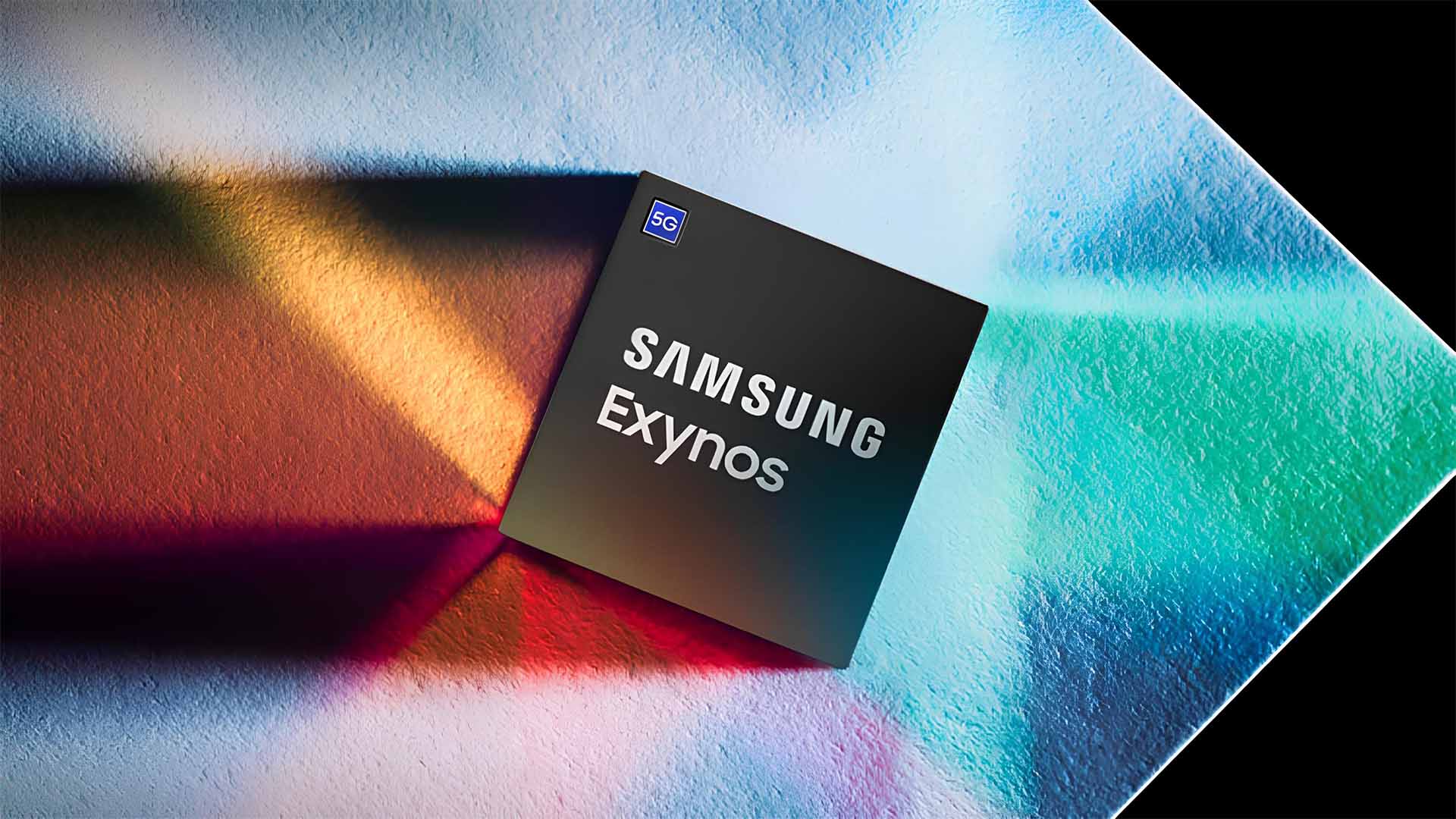
Samsung is making strides with its upcoming flagship chip, the Exynos 2600, which is currently in its prototype production phase. By utilizing a cutting-edge 2nm GAA process, the company aims to elevate performance and efficiency to new heights. However, past Exynos chips have grappled with overheating issues despite the integration of vapor chambers in smartphones. To address this, Samsung plans to implement a technology known as ‘Heat Pass Block’ (HPB), designed to enhance heat dissipation and ensure optimal performance.
The HPB will act as a heatsink, allowing the Exynos 2600 to sustain its maximum clock speeds for longer durations. Traditionally, Samsung’s Exynos chipsets have featured DRAM directly on top of the SoC. According to recent reports, the new configuration will place both the HPB and the DRAM directly on the Exynos 2600, promoting better heat transfer. Moreover, Samsung intends to incorporate its ‘Fan-out Wafer Level Packaging’ (FOWLP) technology, which will further bolster heat resistance and enhance multi-core performance.
This innovative packaging first appeared in the Exynos 2400, and Samsung is keen to equip the Exynos 2600 with these advancements to stay competitive with the upcoming Snapdragon 8 Elite Gen 2 and the Dimensity 9500. A recent leak from Geekbench 6 revealed that the Exynos 2600’s peak core operated at 3.55GHz, slightly lagging behind the Cortex-X925 in the Dimensity 9400+.
With the introduction of HPB and FOWLP, the Exynos 2600 is expected to achieve higher frequencies, translating to improved single-core and multi-core performance while maintaining safe temperatures. It’s well-known that excessive heat can lead to performance drops, make devices uncomfortable to handle, strain the battery, and potentially create safety risks.
If Samsung’s 2nm GAA process yields favorable results, we may see the Exynos 2600 unveiled by the end of the year, perfectly timed ahead of the anticipated announcement of the Galaxy S26 series in early 2026.