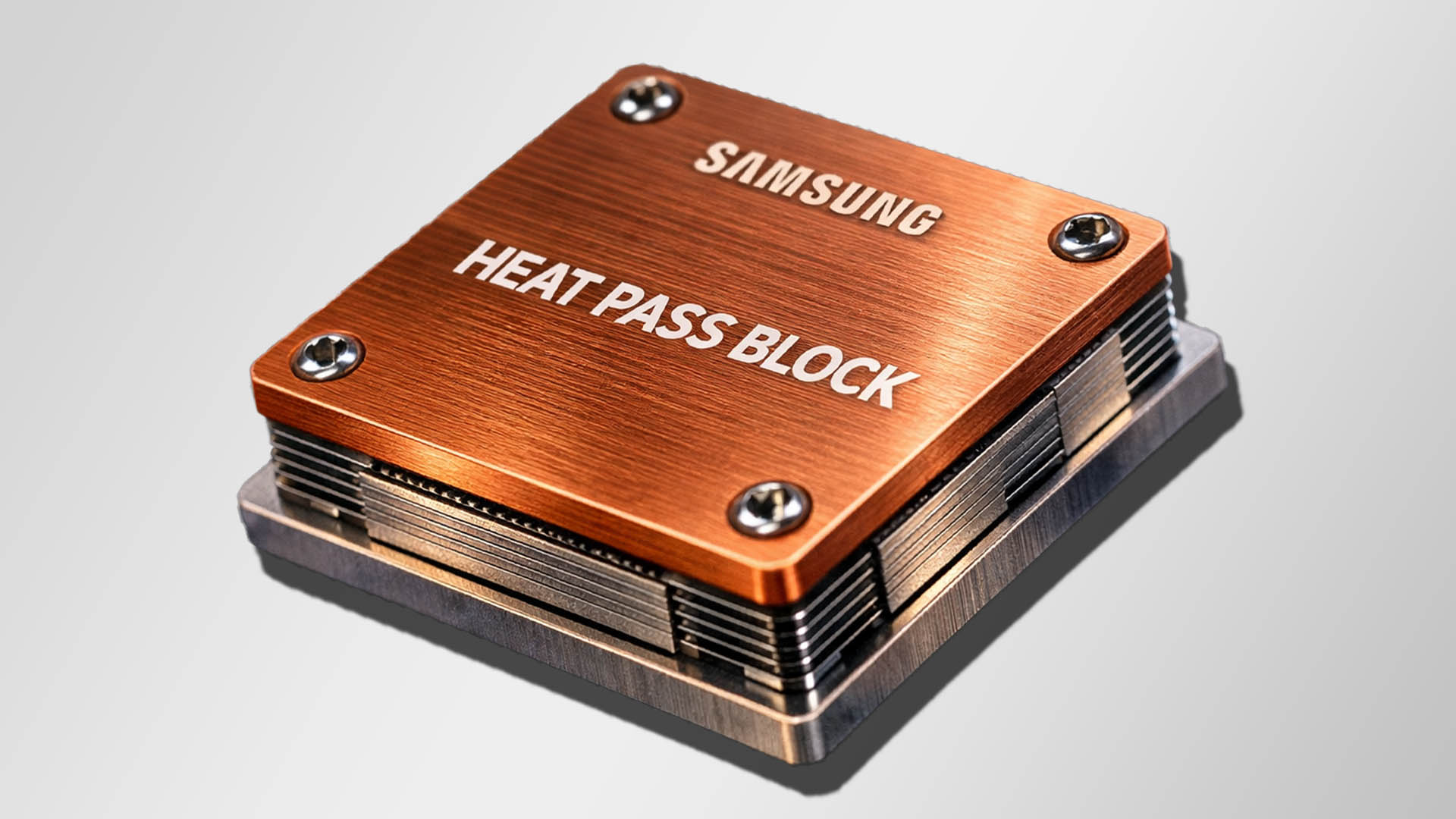
Samsung’s Exynos 2600 marked an important shift in how flagship smartphone processors can be cooled under heavy loads. Alongside Fan-out Wafer Level Packaging (FOWLP), it introduced Heat Pass Block (HPB) technology, a physical heat-spreading solution that essentially works like a built-in heatsink on top of the chip. Samsung has said this approach improves thermal resistance by around 16 percent, helping the processor shed heat more effectively. The practical benefit is simple: better cooling can allow higher clock speeds and more stable sustained performance instead of quick bursts followed by throttling.
Now, new chatter suggests this exact Heat Pass Block-style implementation won’t stay exclusive. A well-known tipster claims “many chip manufacturers” are preparing to adopt HPB-like cooling methods, without naming specific brands. Even without the names, the timing makes sense. Mobile chip performance has been climbing so aggressively that traditional smartphone cooling hardware is struggling to keep up, even in premium devices that already rely on large vapor chambers and advanced thermal materials.
One reason HPB matters is the direction high-end processors are heading. Recent flagship chips have been pushing extreme clock speeds to win performance battles, but that strategy can backfire if heat and power consumption rise too quickly. In benchmark and stress scenarios, higher power draw translates into more heat concentrated in a tiny area, and once temperatures spike, devices may throttle hard or become unstable. There have even been cases where phones needed software updates to tame overheating behavior, and in the worst situations, sustained heat could cause benchmark apps to crash when temperatures get out of control.
That’s why the next wave of flagship processors expected to move to 2nm manufacturing is drawing attention. Rumors point to future premium chip designs aiming for even higher peak clocks, with talk of speeds approaching the upper 4GHz range. Even if the newest process nodes improve efficiency, the push for “insane” performance levels can still create thermal challenges—especially in thin smartphones with limited space for cooling hardware. In that environment, a dedicated heat-spreading layer integrated at the chip level starts to look less like a luxury and more like a requirement.
MediaTek is also facing the same bigger-picture problem: as performance rises, the heat follows. If competing designs lean heavily on standard CPU architectures rather than highly customized cores, efficiency differences can add up, creating more excess heat at the top end. Regardless of the design philosophy, physics doesn’t change—more watts in a small package means more heat that has to go somewhere.
The larger takeaway is that smartphone cooling may be entering a new phase. Vapor chambers and internal thermal pads can only do so much when chipmakers keep raising power targets. If more manufacturers adopt Heat Pass Block-style solutions, future Android flagships could maintain peak performance longer, avoid severe throttling, and deliver more consistent gaming, camera, and AI workloads without hitting thermal walls as quickly.
For now, it remains rumor-level information regarding which companies will implement HPB next. But with flagship chips trending toward higher clocks, higher power draw, and tighter thermal margins, it’s easy to see why chip-level heat spreading could quickly become a standard feature in the next generation of mobile processors.