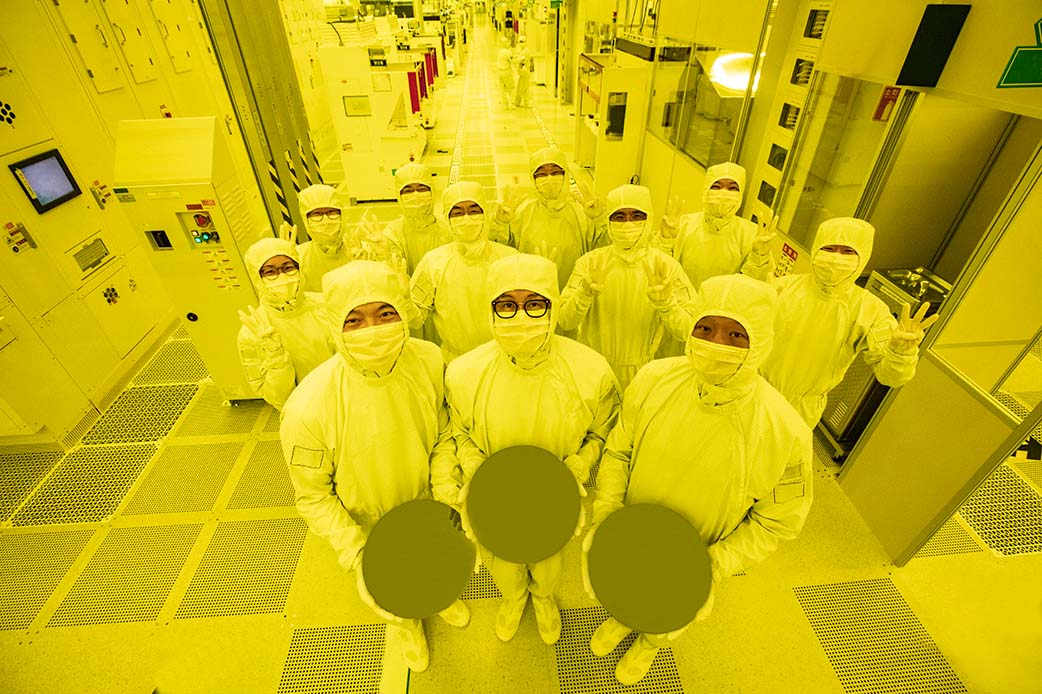
Samsung seems to have finally found its footing in the semiconductor world with its 2nm GAA (Gate-All-Around) technology. Previously, the tech giant faced challenges with its 3nm GAA process, but recent reports suggest those issues haven’t carried over to this new node. Currently, the trial production of its Exynos 2600 chipset using the 2nm GAA process has achieved a 30% yield, suggesting that Samsung might be gearing up for full-scale production, provided these yields can be further improved.
In contrast, TSMC, Samsung’s prominent rival, is playing a patient game. The semiconductor leader reportedly has 2nm yields exceeding 60%. Rather than rushing, TSMC is allowing Samsung to lead the initial timeline race, focusing instead on production efficiency and reliability.
Samsung’s 2nm technology is in a delicate phase. Though there’s progress, the company faces pressure to enhance these yields to at least 70% for broader commercial viability, crucial if Samsung aims to secure orders from new clients. The timeline for the Exynos 2600 is tight; its design must be finalized by the end of the third quarter to potentially feature in the upcoming Galaxy S26 series.
Despite Samsung’s head start on launch, history has shown timing doesn’t always guarantee superiority. Back in 2022, when Samsung introduced the 3nm GAA process, TSMC quickly overcame their initial advantage. Now, TSMC continues to excel, reportedly achieving 60% yields during their 2nm trials. Industry analyst Ming-Chi Kuo indicated that this figure could be even higher now, given ongoing developments.
The competition also hinges on future partnerships; for instance, TSMC’s 2nm technology may be employed in Apple’s A20 SoC for the iPhone 18, expected in 2026. TSMC aims to achieve a production capacity of 50,000 wafers monthly by 2025’s end, a daunting goal for Samsung. However, should Samsung satisfactorily improve its yields, it could potentially claw back some of its previously lost market share in the semiconductor arena.
In essence, while TSMC holds a stronger stance concerning yield percentages and production goals, Samsung’s early positive steps with its 2nm GAA node signal a promising potential to reclaim its standing in the competitive semiconductor landscape.


